The Supreme Court agreed Monday to take a case examining whether states and cities can sue fossil fuel companies over harms caused by climate change, a legal tactic modeled on the push to hold tobacco companies responsible for the health effects of smoking.
The case is significant because dozens of municipalities are seeking billions in damages against oil and gas companies, often accusing them of misleading the public or hiding evidence about the links between greenhouse gases and climate risks. The companies deny any wrongdoing.
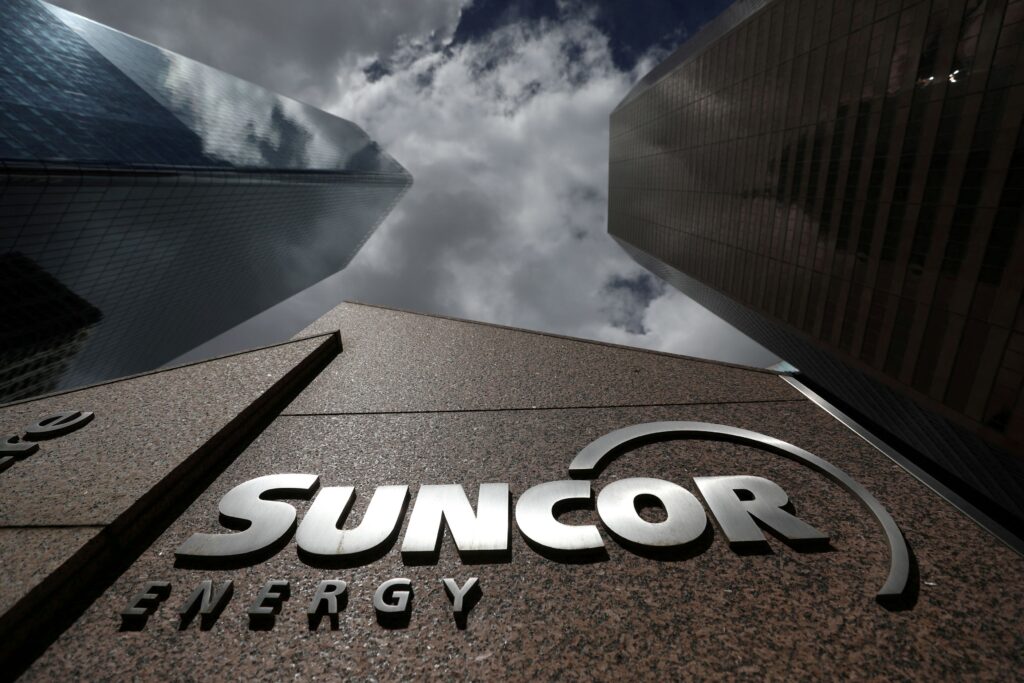
The justices will hear an appeal by Suncor and ExxonMobil, which argue the city of Boulder’s legal action in state court is preempted by federal law. They say greenhouse gas emissions are inherently a federal issue because the pollution emanates from outside Colorado and drifts across state lines.
“Boulder, Colorado, cannot make energy policy for the entire country,” the companies wrote in a petition to the Supreme Court.
Boulder sued Suncor and ExxonMobil in 2018, alleging the company knowingly sold fossil fuels that would cause a range of harms in Colorado, including increased summer heat, more intense wildfires and a greater concentration of ground-level ozone. The city sought to recoup damages for past and future harms. The companies denied the claims.
After complicated legal wrangling, the Colorado Supreme Court eventually ruled that federal law did not preempt Boulder’s lawsuit in state court and that the suit could move forward. The companies then appealed to the Supreme Court.
The Trump administration took the unusual step of asking the Supreme Court to take up the case, even though the federal government was not directly involved in it. Attorneys for Boulder urged against that.
“There is no constitutional bar to states addressing in-state harms caused by out-of-state conduct, be it the negligent design of an automobile or sale of asbestos,” attorneys wrote in filings.
The Supreme Court last year declined to take a similar case involving a lawsuit by Honolulu seeking to hold fossil fuel companies responsible for climate change damage in Hawaii. The Biden administration had urged the court not to take it up at the time.
In 2023, the Supreme Court allowed lawsuits by a handful of municipalities seeking to hold businesses responsible for climate change.
The high court last month heard arguments in a related case in which a Louisiana community is attempting to preserve a $745 million jury verdict against Chevron and keep the case and similar cases in state court. The case could have consequences for how communities rectify environmental damage allegedly caused by oil companies.
In a major ruling in 2022, the Supreme Court curbed the ability of the Environmental Protection Agency to regulate greenhouse gases.
Julian Mark contributed to this report.
The post Supreme Court to consider whether states can sue over greenhouse gas emissions appeared first on Washington Post.