One of the more frightening prospects in a future filled with them is antibiotic resistance, the idea that there may be superbugs impervious to the medicines designed specifically to kill them. A new study suggests that this is actually nothing new, and that microbes have been adapting to threats for a very long time.
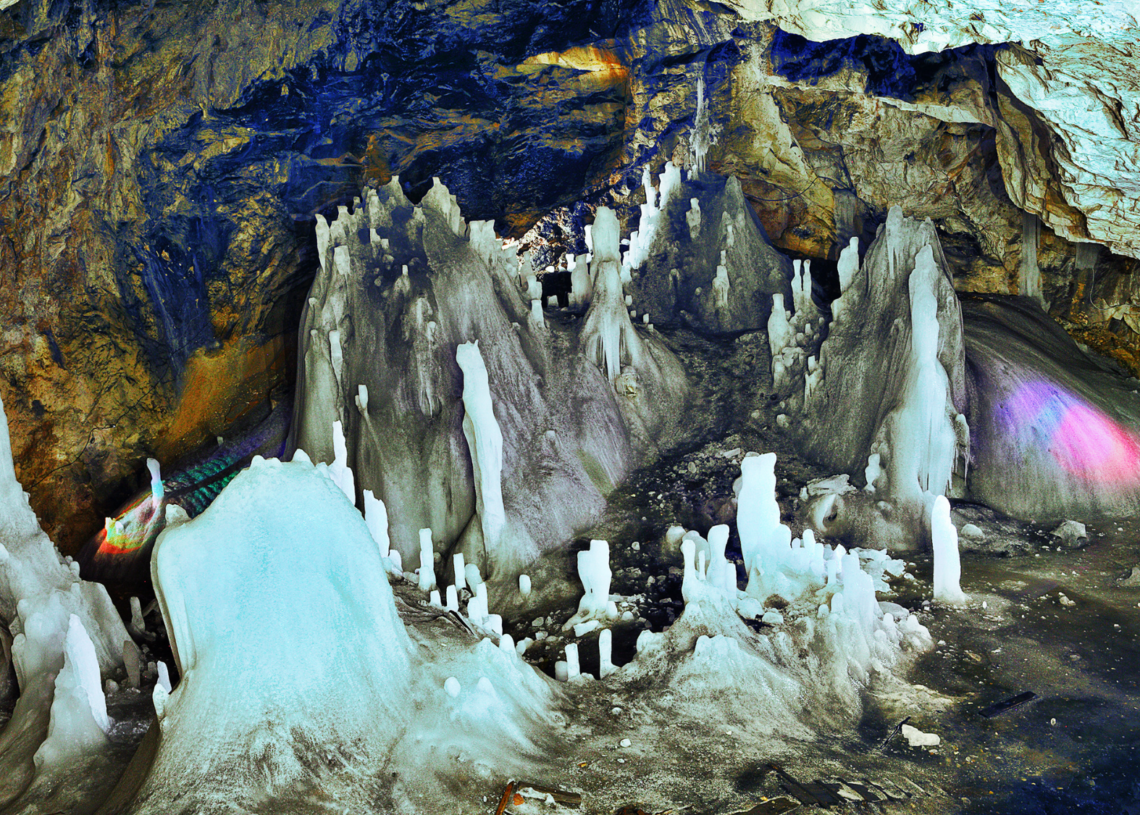
Researchers analyzing ice cores from Scărișoara Ice Cave in northwestern Romania have identified a 5,000-year-old bacterial strain resistant to multiple modern antibiotics. The findings, published in Frontiers in Microbiology, describe a strain known as Psychrobacter SC65A.3, recovered from deep within a 25-meter ice core representing roughly 13,000 years of climate history.
In lab tests, SC65A.3 proved resistant to 10 out of 28 commonly used antibiotics, including drugs that treat serious infections like tuberculosis and UTIs. Genetic sequencing revealed more than 100 genes associated with antimicrobial resistance, astonishing considering the bacterium predates human-made antibiotics by millennia.
All of this reinforces some long-held ideas that antibiotic resistance is not a modern problem. It’s a product of natural selection. Microorganisms have spent billions of years competing with each other, sometimes producing their own antimicrobial enemies. Resistance traits pop up randomly through mutations and environmental pressures. Human antibiotic use didn’t invent all of this; it just amplified and accelerated it. Mother Nature was doing it all on its own long before we came along.
It’s a significant finding that provides some much-needed insights into antibiotic resistance, which is already a global health crisis. In the US alone, the CDC estimates millions of drug-resistant infections occur annually, causing tens of thousands of deaths.
Climate change also factors into this. As global temperatures rise and ancient ice melts, dormant microbes and their antibiotic-resistant genes could re-enter modern life, causing unimaginable damage. If you want to focus solely on the right side, this ancient genome could offer us an opportunity to identify genes that could produce novel antimicrobial compounds, possibly inspiring a whole new world of medications.
The post Could This 5,000-Year-Old Bacteria Trapped in Ice Be the End of Us? appeared first on VICE.