A five-story brick building on West 170th Street has been known to go months without heat or hot water during the winter. On one occasion, the boiler erupted, filling the basement with a thick black plume of dust that crept up and down the stairways and infiltrated the apartments. When the residents blew their noses, they would stain the tissues black.
Trash piled up in front of the building. The entry doors wouldn’t lock, so homeless people slipped in to sleep in the hallways. Peeling periwinkle paint provided glimpses of ornate trimmings on the walls underneath — that is, when urine, blood and feces were not smeared on top. And if vacant apartments hadn’t been taken over by families of pigeons, squatters often filled the space.
In the Upper Manhattan neighborhood of Washington Heights, the building at 709 West 170th Street was once safe and clean, said Bianca Camil, who has lived there for more than 30 years. But that changed in 2008, when Daniel Ohebshalom bought it. Life quickly became a “nightmare” for Ms. Camil and her mother, she said.
The building has racked up dozens of complaints and violations, and Mr. Ohebshalom has incurred millions of dollars in penalties. For the past five years, nearly a dozen tenants in the 20-unit building have been on a rent strike, residents say. But nothing has seemed to lead to meaningful changes, they added — not even Mr. Ohebshalom being named to the city’s worst landlord list or being sentenced to two 60-day stints in jail for contempt of housing court.
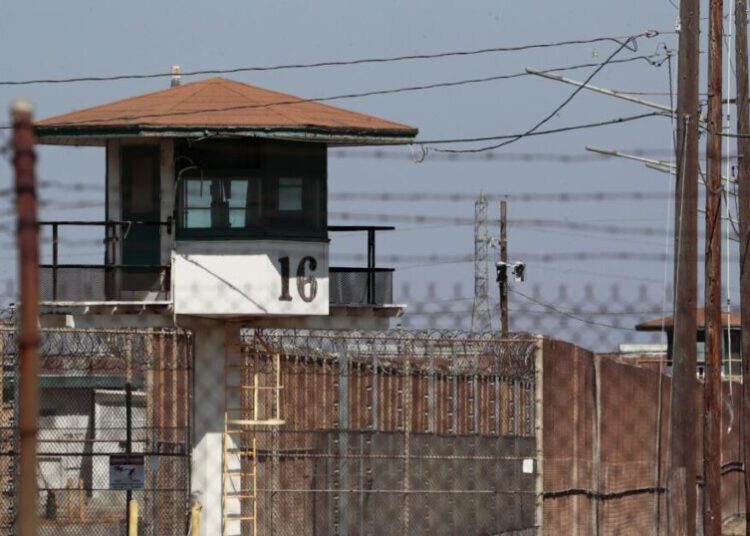
Now, he is facing up to four years in a state prison on the top charges after the Manhattan district attorney, Alvin L. Bragg Jr., charged him with harassing rent-regulated tenants, a felony. Prosecutors say that he took advantage of rent-regulated tenants living in five Manhattan apartment buildings “by creating dangerous living conditions in an effort to push them out.”
The case may finally answer a painful question for renters like Ms. Camil: What does it take for bad landlords to be held accountable?
A lawyer for Mr. Ohebshalom, Adam Leitman Bailey, declined to comment.
Mr. Ohebshalom’s case is being handled by the Housing and Tenant Protection Unit within the district attorney’s office, which Mr. Bragg created in 2022 to root out criminal conduct by landlords and developers. The unit, made up of six employees, has charged 10 cases with 33 defendants — 18 individuals and 15 corporations.
In December, in the unit’s first case, one of six property developers accused of defrauding an affordable housing tax program pleaded guilty, but did not receive prison time. He paid $76,241 in restitution.
A 2018 law gave prosecutors the ability to charge landlords with crimes for harassing rent-regulated tenants, the law that the Manhattan district attorney’s office became the first to use when it charged Mr. Ohebshalom. In September, the office charged the landlords of a building in Chelsea with harassing two tenants in their 70s to pressure them to move out of their rent-regulated units.
Last year, Mr. Bragg worked with State Senator Brian Kavanagh and Assemblyman Micah Lasher, both Democrats, to introduce legislation that would add new criminal penalties for landlords who are charged with harassing tenants in multiple buildings or who have been convicted of harassment before.
“The scarcity of housing has created a breeding ground for fraud where scammers are taking advantage of New Yorkers’ desire for stable and affordable housing,” Mr. Bragg said in a statement.
In Mr. Ohebshalom’s case, the city’s regulatory agencies failed for years to get him to improve his tenants’ living conditions. Several tenants at 709 West 170th Street said the only time they had ever seen him was in May 2024 — when he was broadcast on television after he was indicted.
Since December 2024, the city has filed at least four civil lawsuits against him over conditions in the Washington Heights building, accusing him of not providing heat or hot water on multiple occasions.
In July, as part of a lawsuit the city filed seeking access to Mr. Ohebshalom’s bank accounts, the city said he personally owed about $1.8 million in penalties because of his “repeated and longstanding failure to repair hundreds of code violations in buildings he owns citywide.”
The most recent violation at 709 West 170th Street, recorded in December, involved a fire escape ladder had been obstructed by a chain and keyed device, locking the ladder in place. The penalty was $2,500.
Sonia Peralta, 75, said she has lived in the building since 1982 but has never met Mr. Ohebshalom. She has, however, regularly been in touch with a building manager, who was available only over the phone and email. During their last conversation, in 2022, Ms. Peralta said that the building manager had called her to ask for rent.
“I told her that until she fix my problems that I had in the apartment, I wasn’t returning the rent to her,” Ms. Peralta said.
That year, tenants said, investigators from the district attorney’s office visited the building and collected statements from them. The investigators documented the broken ceilings, black dust and more. Shortly after, workers from the Department of Buildings came by and took notes too.
At the same time, the building continued to fall apart.
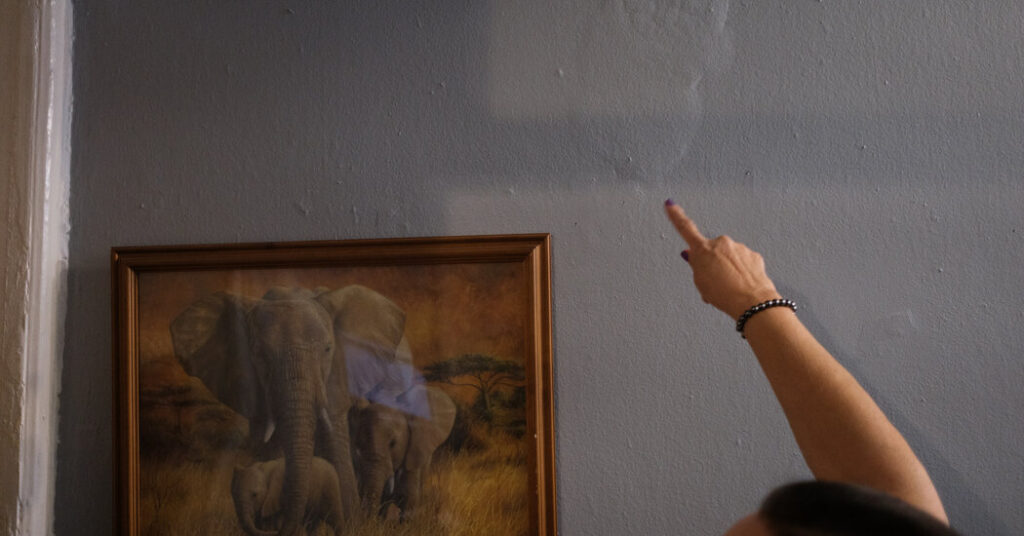
Ceilings collapsed repeatedly. Floor tiles cracked beneath tenants’ feet. Bricks fell from the face of the building. Fed-up, some residents began leaving.
But those who stayed said they did not have that option: They could not afford to move somewhere else.
In a city that is grappling with soaring costs, moving to a new building is becoming more and more unattainable for many New Yorkers who live in rent-regulated units. The median rent is around $1,650 for all apartments, according to the most recent city survey, and $1,500 for rent-stabilized units. But moving into a new place can be extremely expensive, with the typical asking rent on a new lease reaching about $3,900 in January, according to the listing company StreetEasy.
Gilbert Butcher, who has lived in the building for about 40 years, said his one-bedroom apartment costs $965.30. But he and the other tenants have been on a five-year rent strike.
Ms. Camil said they have all thought about leaving. “But I’m not going to give him the satisfaction,” she said, referring to Mr. Ohebshalom.
Since he was indicted, some conditions have improved, according to the residents. Maintenance workers came in to clean the trash, the heat was restored, the boiler was fixed and rats in hallways and the basement were cleared from the building.
“They did some substantial repairs to the border,” Mr. Butcher said. “We’ve had consistent heat now for the last few months. We’ll see how long that lasts.”
Criminal charges are a step in the right direction, but because there are so many bad landlords across the city, a handful of cases in Manhattan will not do enough, said Steve Heller, the director of the Tenants Rights Coalition at Legal Services NYC in Manhattan, and Ashley Viruet, a deputy director. The group, a nonprofit, has worked with the tenants in Washington Heights for years.
“I think what would really actually make a difference is if landlords had to be concerned about their buildings actually being taken from them,” Ms. Viruet said, adding that unless there’s an overhaul of the city’s response in addition to criminal charges, nothing will change.
In December, several tenants huddled together in Ms. Peralta’s living room said they hoped that the conditions would continue to improve. That maybe one day they will be able to walk on the roof again to view the twinkling lights in the Washington Heights skyline without feeling like they may fall through.
“They see us like rats,” Ms. Camil said. “They made us go through hell all these years.”
Hurubie Meko is a Times reporter covering criminal justice in New York, with a focus on the Manhattan district attorney’s office and state courts.
The post Will Threat of Prison Make One of New York’s ‘Worst Landlords’ Change? appeared first on New York Times.