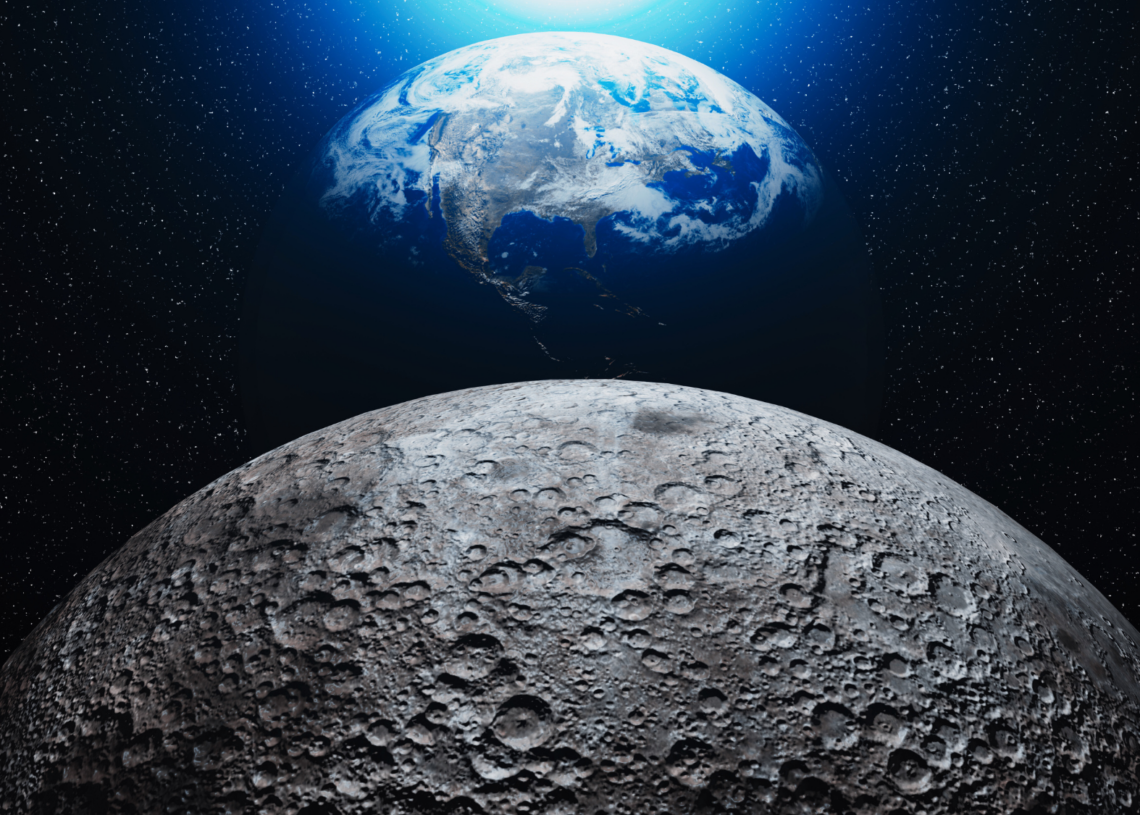
The Moon feels like our sweet, dependable neighbor. It sits there, it glows, it pulls our tides, and seems like it’s just…there. Engineers like it because it’s uncomplicated. Flat, dusty, predictable. Put a base on it, keep moving.
A new study argues that “predictable” needs an asterisk.
Researchers working with the Smithsonian and NASA collaborators built the first global map and analysis of small mare ridges, low ridges that wrinkle the Moon’s dark volcanic plains. Using imagery from NASA’s Lunar Reconnaissance Orbiter, the team identified 1,114 previously unrecognized ridge segments on the Moon’s nearside and bumped the known total to 2,634. Those ridges sit over shallow thrust faults that can slip and set off moonquakes.
“Since the Apollo era, we’ve known about the prevalence of lobate scarps throughout the lunar highlands, but this is the first time scientists have documented the widespread prevalence of similar features throughout the lunar mare,” first author Cole Nypaver said in the Smithsonian release.
Apollo-era seismometers already told us the Moon shakes. Astronauts planted the instruments in the early 1970s, and they recorded thousands of quakes over the following years. The frustrating part was location. Scientists could measure the shaking, but the sources stayed a bit of a mystery. This new fault catalog gives planners a real map to work with, not a giant shrug.
One region stands out for planners who like their construction sites boring. Oceanus Procellarum, the massive lava plain visible from Earth, carries the highest modeled strain among the lunar maria in the team’s analysis. It’s not a no-go zone. It does, however, raise the bar for where equipment goes and how much risk the plan can absorb.
The Moon cools over geologic time and contracts, which compresses its brittle crust. Add tidal forces from Earth, and you get faults that still have reasons to move. Co-author Tom Watters described what the team thinks this adds to the bigger lunar story. “Our detection of young, small ridges in the maria, and our discovery of their cause, completes a global picture of a dynamic, contracting moon.”
NASA’s Artemis program aims to return astronauts to the lunar surface no sooner than 2027, with longer-term plans that include sustained presence. A seismic hazard map won’t stop lunar plans, but it will affect site choice, foundation design, and how confident you feel about “solid ground” up there.
The post Humans Are Going Back to the Moon, but We Need to Know More About Moonquakes First appeared first on VICE.