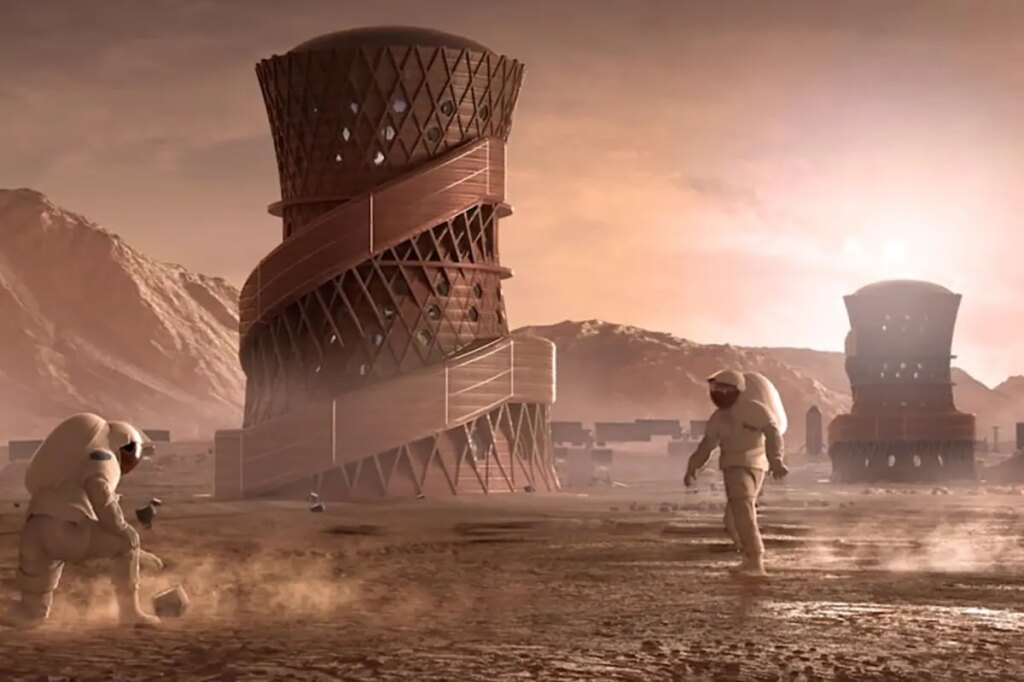
The idea of humans living on Mars is closer to reality than it’s ever been.
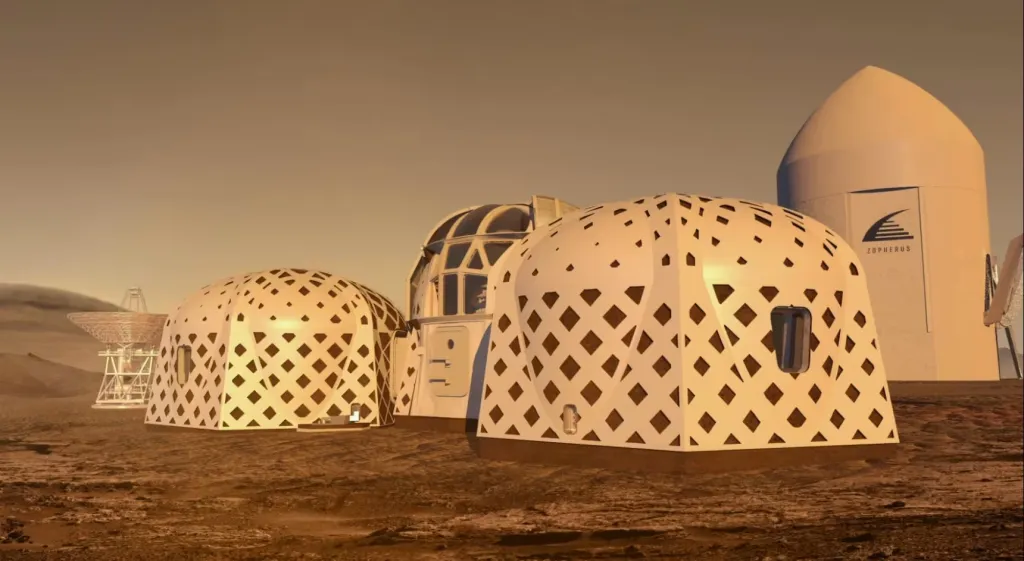
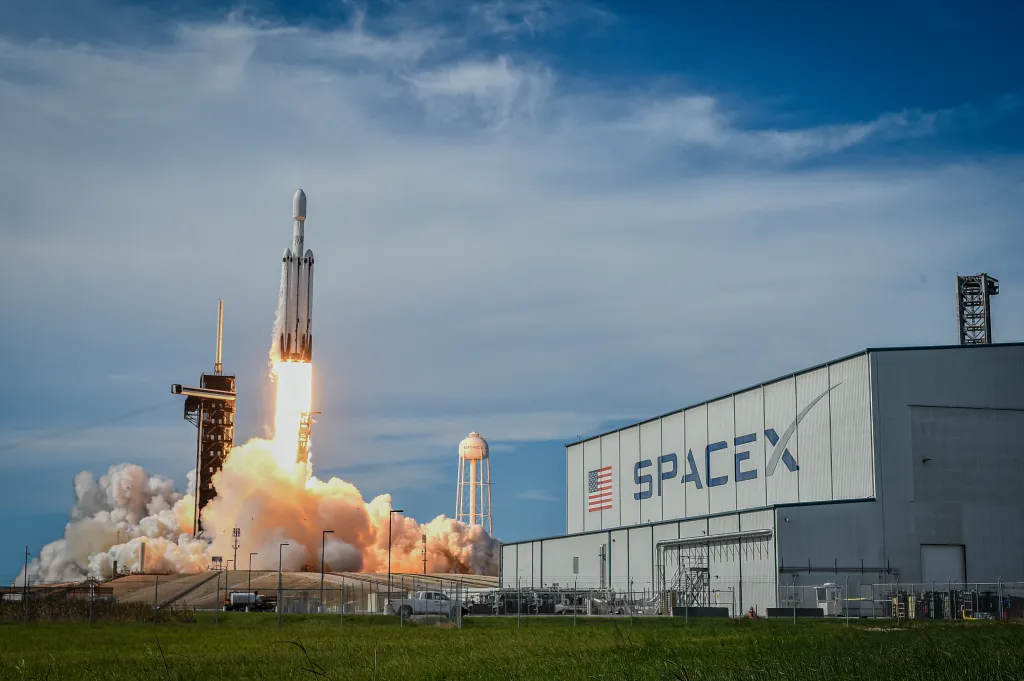
On Feb. 13, Elon Musk’s SpaceX ferried an international crew of four astronauts to the International Space Station, another sign that private companies can now routinely carry people into orbit. The company continues testing its massive Starship rocket, which it hopes will one day carry crew and cargo to the moon and Mars.
NASA, meanwhile, is pressing ahead with its Artemis program, designed to return astronauts to the moon and use those missions as rehearsal for deeper space exploration. Mars remains the long-term goal.
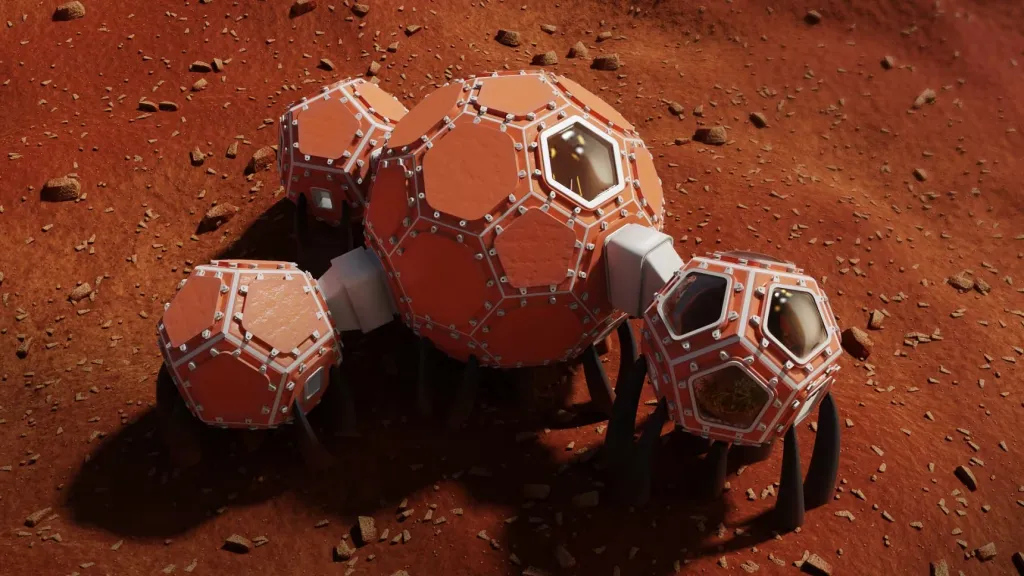
From Silicon Valley billionaires to weekend science-fiction fans, the conversation has moved from whether humans will live on other worlds to when. But a new book by evolutionary biologist Scott E. Solomon asks a far more unsettling question: What happens to humanity if we actually stay?
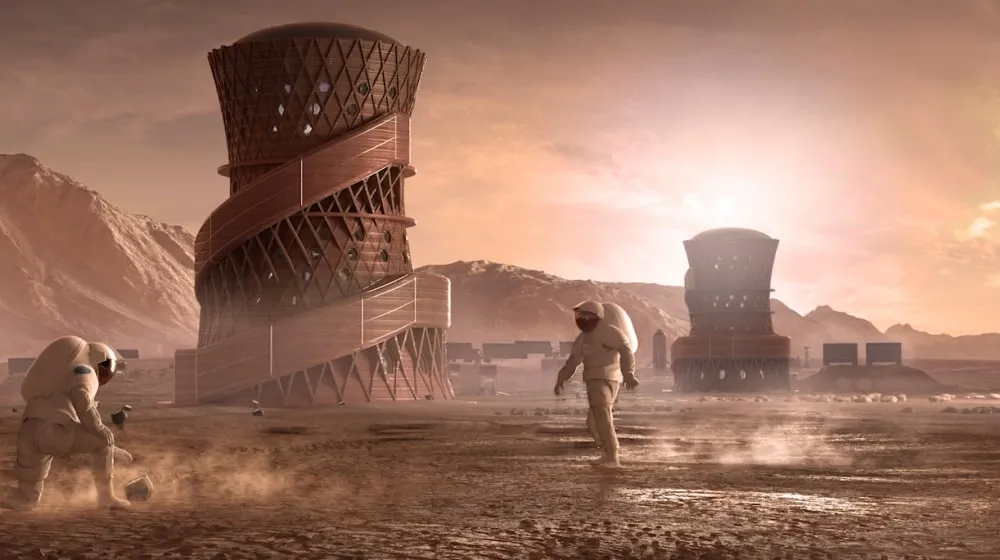
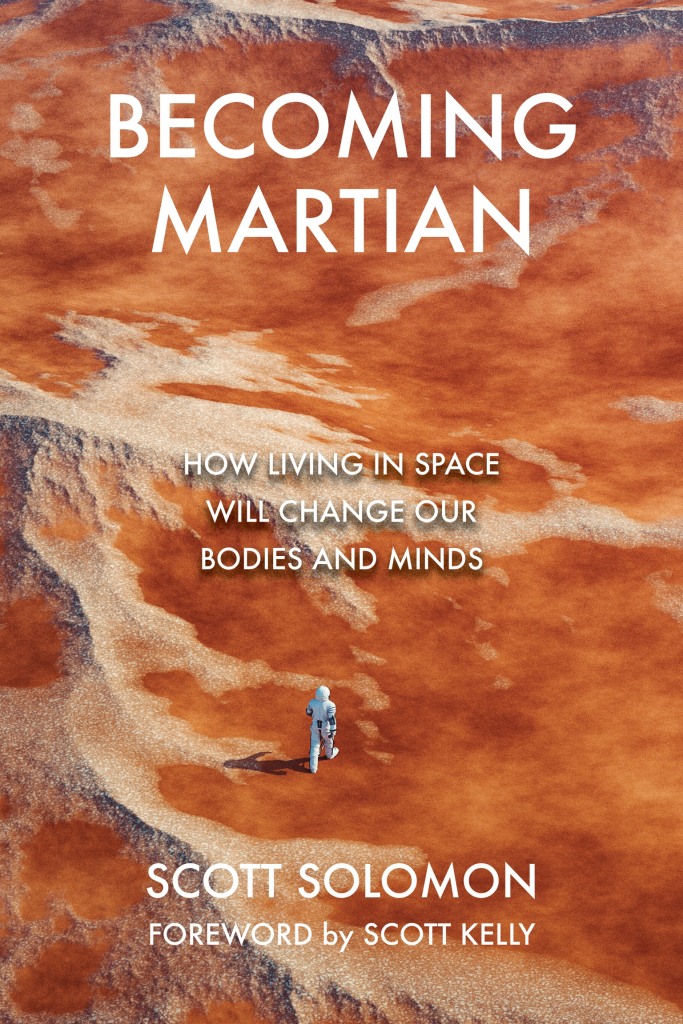
The answer, Solomon argues in “Becoming Martian: How Living in Space Will Change Our Bodies and Minds” (MIT Press), out now, is that the descendants of today’s spacefarers may not remain fully compatible with the people who stay behind on Earth. They may not be able to come home. And, over enough generations, they may no longer be entirely the same species.
“The colonization of other worlds will alter the very definition of what it means to be human,” Solomon writes.
Solomon isn’t a rocket scientist. He’s a biologist, a teaching professor of ecology and evolutionary biology at Rice University and a research associate at the Smithsonian’s National Museum of Natural History. For much of his career, he studied how organisms adapt to new environments here on Earth, including years of fieldwork on leafcutter ants in the Amazon rainforest.
He began thinking seriously about Mars in 2023, after attending SpaceX’s first Starship launch in Texas, the one that ended in what the company dryly called a “rapid unscheduled disassembly.”
Watching the rocket explode with his two young sons beside him, Solomon found himself less interested in whether the engineers would fix the hardware and more interested in a deeper question: If humans really were preparing to leave Earth for good, what would evolution do to the people who stayed behind?
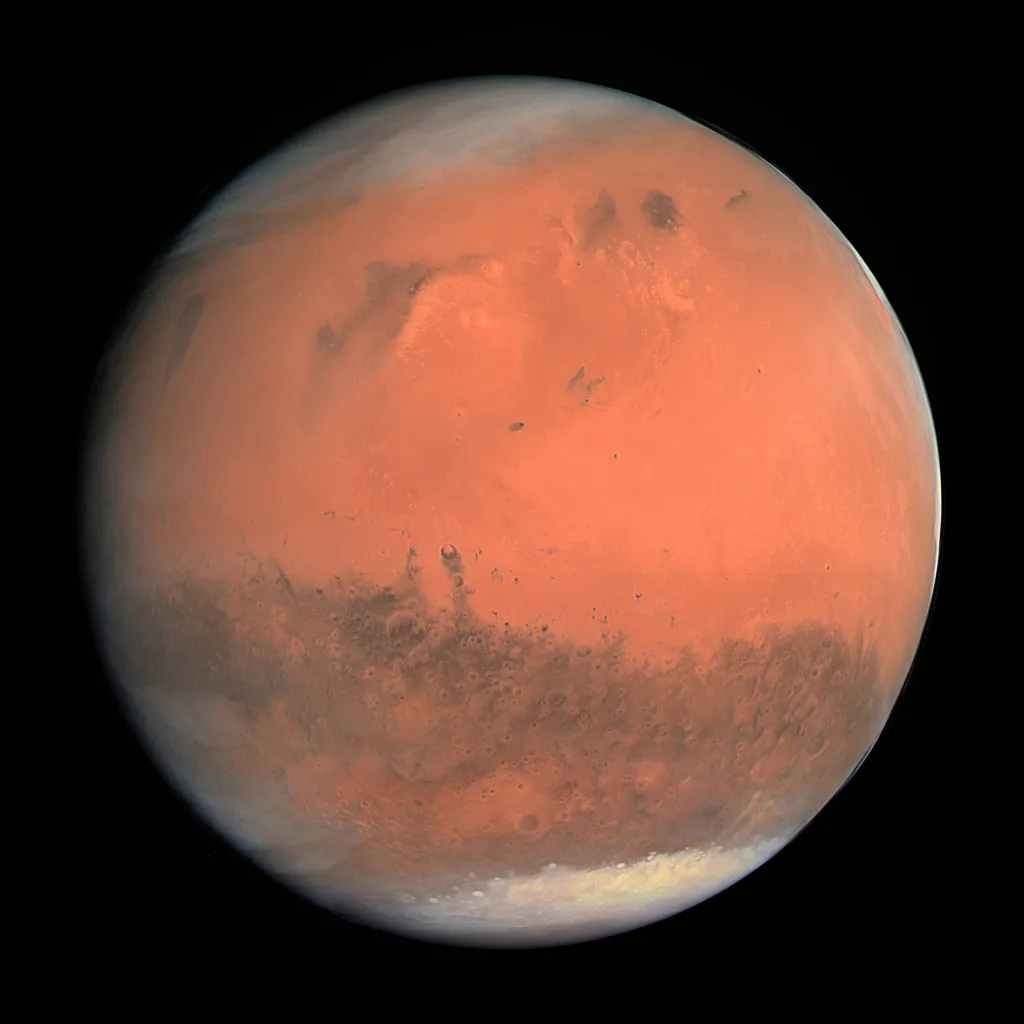
“Our biggest obstacle might not be technological,” Solomon told The Post. “It might be us.”
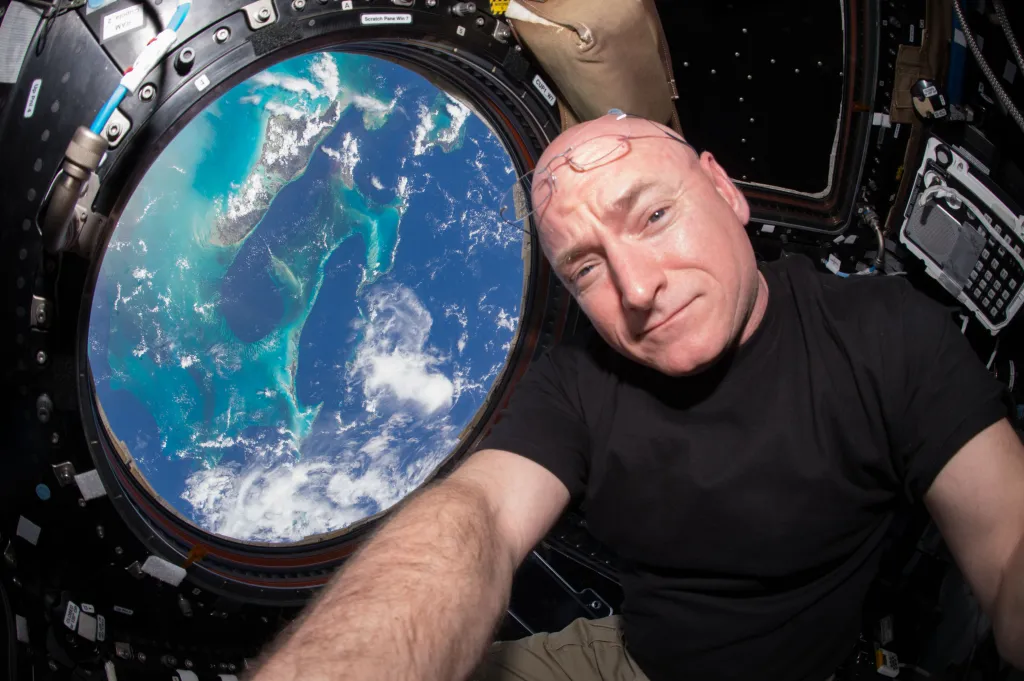
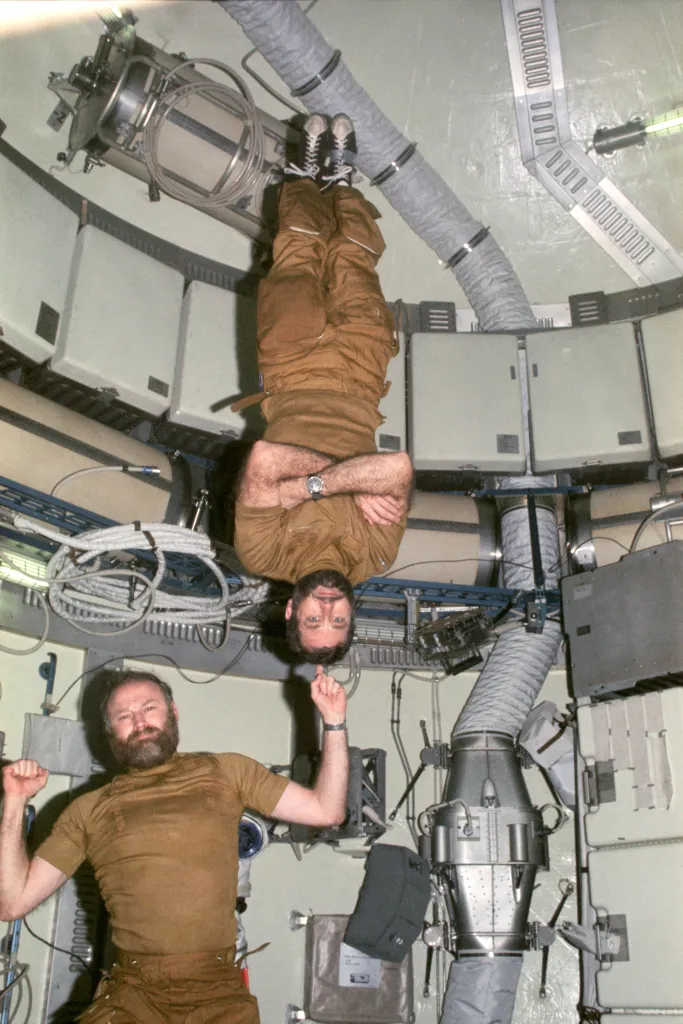
We already know that space changes adult bodies. “We know from astronaut studies that muscles get weaker, bones get more brittle because they’re not working as hard against gravity,” Solomon said. “We also know about vision changes. The eye has structural changes documented for astronauts like Scott Kelly who spent prolonged time in lower gravity.”
(After Kelly spent almost a year on the International Space Station, from March 2015 to March 2016, scientists found that the shape of his eyeball had changed, including developing a thicker retinal nerve and folds in the choroid layer that surrounds the eye, affecting visual acuity.)
The cardiovascular system weakens as well, because the heart no longer has to pump blood uphill in the same way. Fluids shift upward in the body. The human form, shaped by millions of years under Earth’s gravity, begins to subtly come apart.
But Solomon’s real concern is not what happens to healthy adults on relatively short missions. “The bigger issue,” he said, “is what happens when those conditions shape bodies from birth.”
Bones, for example, do not simply thin in low gravity. They grow differently.
“As a child’s body is growing and developing in lower gravity,” Solomon said, “their bones might not form in the same way.”
The problem is not just weakness, but structure. Certain microscopic connections inside bone may never form without Earth’s constant downward pull.
“There’s this possibility,” he said, “that a child born in lower gravity wouldn’t form a skeleton strong enough to support being able to come back to Earth.”
In other words, you may be stuck on Mars from the day you are born.
The immune system presents an even deeper problem. On Earth, it’s trained from infancy by constant exposure to a vast and chaotic ecosystem of microbes. Every breath, every touch, every meal helps teach the body what is dangerous and what’s not. “But most microbes on Earth won’t be on Mars,” Solomon said. “We’ll take some by accident or on purpose, but it’ll be a tiny slice.”
It’s quite possible a child born and raised on Mars “would get sick if they come back to Earth,” he added, “because they’d have no prior exposure to the vast majority of microbes we breathe in every day.”
In theory, vaccines could help. In practice, the challenge is overwhelming.
“We have so many different kinds of microorganisms on Earth,” Solomon said. “We haven’t even discovered all of them, much less developed vaccines for the wide range a person would encounter when they take their first deep breath of Earth air.
“I think it could be a showstopper,” he added, “in terms of our ability to return to Earth once we’ve settled other worlds.”
Childbirth may be the most unsettling case of all. “We know very little about pregnancy and childbirth in lower gravity,” Solomon said. “We do know bone density decreases in lower gravity.” Over a lifetime, that includes the pelvis. Solomon suggests that C-sections could become the norm for many Martian pregnancies.
Once that happens, evolution takes an unexpected turn. Natural selection no longer favors bodies shaped for unassisted birth. Over generations, larger heads and narrower birth canals become easier, not harder, to pass on. A population can slowly back itself into permanent dependence on surgery just to reproduce.
It’s the kind of feedback loop that rarely appears in glossy visions of space colonization, but sits squarely in the wheelhouse of evolutionary biology.
Taken together, these changes point toward a future in which people born on Mars are not just culturally different from Earthlings, but biologically distinct. Solomon estimates that after 10 or more generations, spanning roughly 250 years, the accumulated effects of isolation, selection and immune divergence could make the two populations effectively incompatible. Not through deliberate genetic engineering, but through the same slow, inevitable mechanisms that have shaped life on Earth for billions of years.
We’ve seen versions of this story before, on a much smaller scale. Darwin’s finches in the Galápagos Islands split into distinct species after periods of isolation. Human populations that settled remote islands developed noticeable physical differences within centuries. Mars would impose far more extreme separation and far stronger selective pressures.
The changes would not stop at the level of the body. Solomon devotes much of the book to the psychological and social challenges of life on another world. “Being in an isolated environment is stressful,” he said. “Being in a dangerous, extreme environment is stressful. Being stuck with a small number of people for a prolonged period is socially stressful. All of those would be true for Mars.”
Even on the International Space Station, where Earth is only hours away, isolation and confinement take a toll. On Mars, rescue would not be a phone call away. “Mars is much further away,” Solomon said. “At least six months with current rocket technology for a one-way trip.” And because the planets align only periodically, “there’s only a window about every two years when it’s even possible to send people back and forth.
“If you have a medical emergency, you can only get back every now and then, and it’ll take a long time. That knowledge is psychologically stressful.”
Researchers have tried to model these pressures through “analog” missions on Earth, from Antarctic stations to desert habitats to the famous Biosphere 2 experiment in the 1990s, where eight people sealed themselves inside a giant dome in Arizona for two years. The project became notorious for internal conflict, food shortages and falling oxygen levels. Help was only minutes away. Mars would be tens of millions of miles.
“There’s a whole community of analog astronauts, researchers and volunteers who simulate space missions here on Earth,” Solomon said.
He visited their conferences and facilities while researching the book and came away impressed by the effort — but skeptical that any simulation can fully capture the psychological weight of permanent separation from Earth.
Plus: At what point do we stop being human?
Part of the answer, Solomon suggests, is cultural. After a few generations, people born on Mars would almost certainly think of themselves as Martians first, just as immigrants on Earth gradually come to identify with new homelands. But the deeper shift would be biological.
“The research suggests that people living in the extreme environment of Mars would gradually adapt through natural selection,” he said. “So both culturally and biologically, people living on Mars would eventually become Martians.”
That doesn’t mean he thinks humans should stay home forever. He’s enthusiastic about exploration and scientific expeditions. But after five years immersed in the research, he’s come away convinced that permanent settlement raises questions we’re not yet ready to answer.
“I’m very excited about sending people to the moon and Mars on scientific missions,” he said. “But what I came away with is recognition that we’re not yet ready to settle them. There are unanswered questions that need to be answered before it would make sense.”
When asked what he’d tell his own children if they wanted to move to Mars permanently, his answer is careful and revealing. He’d encourage curiosity and discovery. But he’d worry deeply about a one-way trip. Earth, he points out, is not just familiar. It is exquisitely tuned to our biology in ways we are only beginning to understand.
With enough money and engineering talent, the problem of getting to Mars looks increasingly solvable. The bigger question is whether we should stay, and what staying would do to us.
Your great-great-grandchildren may well live on another planet. But if Solomon is right, they may not be coming back. And in time, they may not even want to.
The post There’s a race to live on Mars — but the reality will physically change humans in shocking ways appeared first on New York Post.