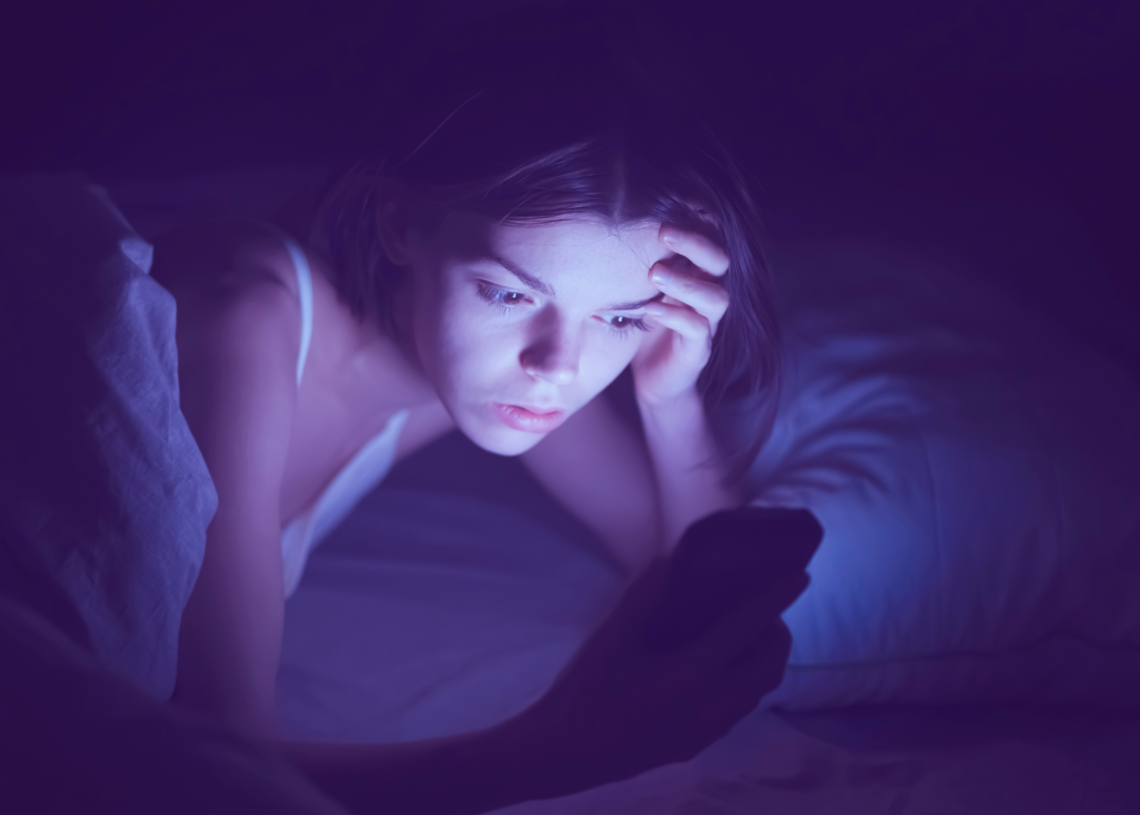
Nighttime scrolling has gotten so mind-numbingly awful that people are now standing in the dark under running water instead.
The latest habit making the rounds is “dark showering,” which is exactly what it sounds like. Lights off, water on, brain hopefully shutting up for a minute. And people are actually really into it.
A recent survey from Eachnight, which looked at more than 1,000 Americans, found that about 30 percent have tried showering in low or no light. Among those who do it, 62 percent say it helps them sleep better, with some reporting they fall asleep faster and deal with fewer racing thoughts before bed.
The appeal is pretty obvious. Phones have turned bedtime into a flood of information overload, and most people know they should put the screen down, but don’t. According to the same survey, about 1 in 6 people who practice dark showering say it’s replaced their nighttime scrolling habit. Eight percent said they’ve even stopped using melatonin.
That alone explains why this caught on. It’s low effort, it costs nothing, and it doesn’t require downloading anything or pretending you’re suddenly a morning person.
There’s also some actual science behind it, which always helps. Warm water raises your core body temperature, and the cooling that happens after you step out signals to your brain that it’s time to sleep. Research has shown that a warm shower taken about an hour or two before bed can shorten the time it takes to fall asleep and improve overall sleep quality.
The Key is (Semi) Darkness While Showering
The darkness part pulls in a different benefit. Less light means less interference with melatonin production, which is already getting absolutely destroyed by screens, overhead lighting, and whatever else people have glowing in their apartments at night.
Put those together, and you get a routine that feels almost aggressively simple. Stand in the dark. Get warm. Cool down. Go to bed. That’s it.
Of course, if your sleep schedule is completely fried, this alone probably won’t help. And there are some obvious safety concerns, like slipping in the shower because it’s pitch black. The same survey noted that some people have already adjusted by adding dim lighting or bath mats to avoid a trip to urgent care.
Still, the fact that people are trading doomscrolling for something this basic says where our human brains are at. After years of apps, supplements, and increasingly elaborate “night routines,” the solution many people landed on is turning off the lights and standing still for ten minutes.
It’s actually nice. This might be the most reasonable thing anyone has suggested in a while.
The post This Habit Is Replacing Nighttime Scrolling (and People Are Sleeping Way Better) appeared first on VICE.