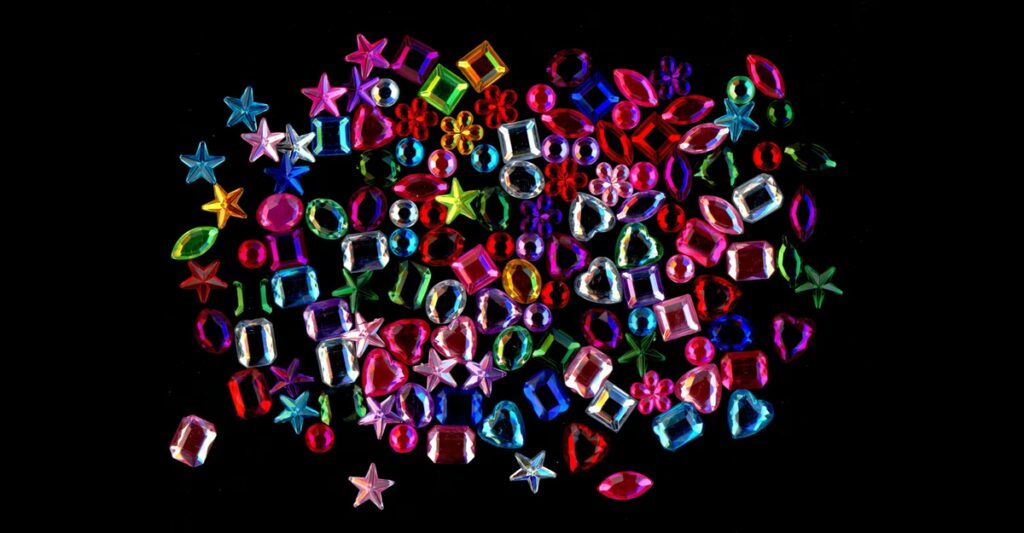
In the Byzantine room the most Beautiful cabochon is the missing one. Clear, like the head of Brian Boru’s harp. I imagined myself drinking and drinking From ewers—they had real respect For rock crystal back then. Smears of the human on all glass, Child height, clouds of breath. Reliquary Arm of Saint Valentine, Silver, with a sapphire on one finger, Rough, uneven, And then you come around to the other Side and see a dungeon in his forearm, Sprung open—we are free. Next to it, the reliquary of Mary Magdalene’s tooth, removed to fill Some cavity. Everywhere the praying Hands are missing from their statues, Stolen. Now turn to the Pietà With Donors. “Limestone with traces of polychromy.” Grapes fall from Christ’s open wound. A man holds his single stiffened sheet Of seaweed hair. His mother’s mouth Blackened with centuries of disbelief, Nonbelief, she didn’t believe it so hard He came back to her. The cried-out Eyes are alive, like his forehead At the Cloisters. The tuck in his loincloth Can be perfectly viewed, His foot only imagined. The whole Tradition, in this place, is on display. The lectern eagle with split beak, To speak. Saint John on Patmos Receives the revelation, red meat In the mouth of the dead dragon. On either side of Christ, the donors Smile: Pons and Armand, brothers. This had to happen, they agreed, It’s ours, and placed him in a private Chapel. There is a deep cavern Inside Pons’s bent knee where Something, clear as cabochons, Was, used to be. The water in living Limbs that stands us up, that kneels Us down, that drapes us over Mary’s Lap like a necklace. All around, There were unidentified stones In those chalices that I, unbeliever, Could easily name. And I too Was wearing something that I— Ancient, uncorrupted, Uncovered—had made!
The post Byzantine Room appeared first on The Atlantic.