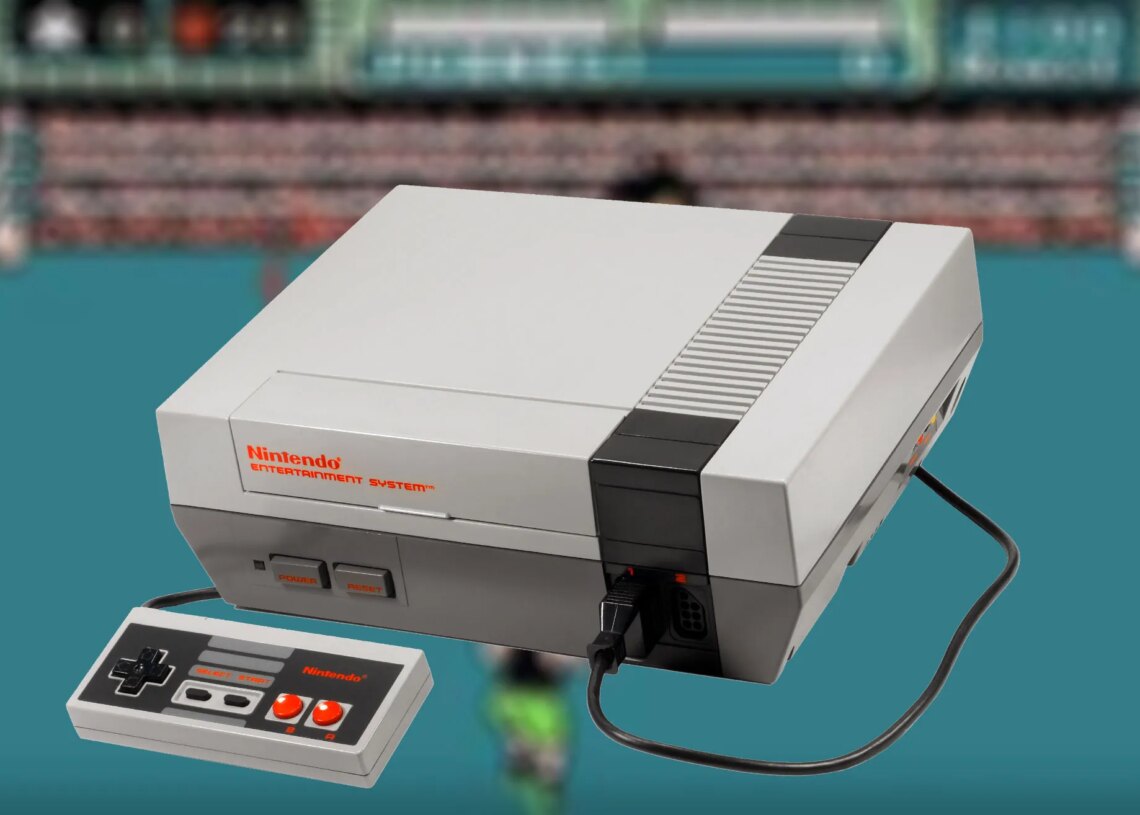
Nearly four decades after its release, video game historians got their hands on a rare prototype of an NES classic that offers a unique look at the early stages of Nintendo’s development process.
Video Game History Foundation Digs Into Rare Punch-Out!! Prototype Cartridge
Prototype versions of classic NES games are quite rare, and it’s always exciting when the experts get their hands on a newly discovered one and have a chance to dig into everything from the placeholder art and labels to the source code. One of the latest deep dives from The Video Game History Foundation is an examination of a particularly unique prototype that is even more rare than usual.
The Punch-Out!! prototype in question is an early build of what would become Punch-Out!! in Japan and eventually Mike Tyson’s Punch-Out!! in the U.S. There are a handful of unique components to this prototype that make it particularly special from a historical perspective. This early build lacks the Tyson branding and features a placeholder final boss.
First off, the cart itself is incredibly rare and sold at auction for $45,000. Luckily, the new owner has been generous about sharing the ROM and ensuring that it can be studied and analyzed by the community. This is great news for video game preservation enthusiasts, who hope to see this time of historical item well documented and shared with the larger community.
The prototype’s placeholder art and branding are also a bit more polished and closer to a final product than what is usually found on a prototype. The Video Game History Foundation also pointed out that the actual ROMs that data was written on are also unusual, in that they’re most similar to a final, retail product’s components.
The most interesting parts come from the actual game data included though. The content is far from a finished product and, although it does include four nearly complete fights, there’s a lot of other interesting placeholder and experimental content to play around with, as well.
One of the coolest features is the ability to take control of the opponent and cycle through all of their animations and moves available. Players can experiment with this and check out how much the game changed from this prototype version to the final release when the animations and fighting patterns were locked in.
Tech savvy readers who want a closer look at the prototype can check it out at The Cutting Room Floor.
The post Lost Prototype of an Iconic NES Game Has Surfaced After Almost 40 Years appeared first on VICE.