Walk into a grocery store or scroll TikTok, and it’s increasingly hard to find a beverage that’s just a beverage. Instead, cans and powders promise everything from better sleep to sharper thinking to improved digestion, often all at once.
The global functional beverage market was worth about $208 billion in 2024 and is projected to more than double over the next decade, according to Zion Market Research. As the category explodes, so does the competition — and the number of ingredients and promises brands are cramming into every sip.
“It’s like a smorgasbord of beverages,” Michael Della Penna, chief strategy officer at InMarket, told Business Insider as the trend’s momentum accelerated late last year. “There’s one for hydration, one for health, and one for fun.”
That shift is being driven in part by younger consumers, who are turning their daily beverages into a kind of DIY wellness routine, each serving a different purpose: protein coffee in the morning, a fiber soda in the afternoon, and a nootropic or adaptogen blend at night.
Much of that experimentation is being fueled by social media, where wellness trends spread quickly and consumers are encouraged to constantly try new routines.
“There’s a lot of different botanicals and adaptogens and ways they can affect you,” said Jon Kreidler, cofounder of Tattersall Distilling, which launched its first line of functional beverages in November. “I think that’s where this next wave is headed: maybe this one’s gonna help your gut, or help your mind in general; calm you down, relax you.”
Less than six months after launching, Tattersall’s functional beverage sales now account for about 10% of its business.
Celebrities are helping accelerate the segment. Dwayne Johnson’s ZOA Energy leans into vitamins, antioxidants, and natural caffeine, while Kylie Jenner has expanded her Sprinter brand into hydration powders with collagen and electrolytes, and Snoop Dogg has entered the space with hemp-infused beverages aimed at relaxation.
Their involvement underscores how quickly functional beverages have moved from niche wellness products to mainstream — and highly marketable — lifestyle brands.
Reshaping not only what people drink, but why they drink at all
Across more than a dozen interviews, analysts, founders, and operators pointed to a broader cultural shift that accelerated during the pandemic — one in which consumers became more focused on health, more skeptical of traditional systems, and more interested in taking control of their own well-being.
“I think the pandemic really helped a lot of people wake up to the fact that how they take care of their bodies defines their reality,” said Yasmin Santos, founder of the functional herbal tincture brand Altar Native.
That shift is also playing out in declining alcohol consumption, particularly among younger consumers, and the rise of alternatives designed to deliver similar social or emotional effects without the downsides.
“What we’re seeing is people still want to feel something,” Kreidler said. “They still want to be a part and partake and have something adult, but just are kind of fed up with the hangovers.”
Functional beverages are increasingly stepping in to fill that gap — whether through THC-infused drinks, calming adaptogens, or “herbal mixology” concepts that blend traditional plant remedies with modern formats.
At the same time, the category is becoming more crowded — and more competitive. Big players are already moving in: Starbucks doubling down on its line of protein drinks, PepsiCo’s $2 billion acquisition of prebiotic soda brand Poppi, and Coca-Cola’s functional launches, such as its gut health product Simply Pop, signal that legacy companies see the space as a major growth opportunity.
The road to scale isn’t easy
For smaller brands, scaling remains a challenge. Santos said manufacturing requirements and regulatory hurdles can quickly become barriers, especially for products using newer or less understood ingredients.
“I had to switch manufacturers,” she said, after discovering her original partner wasn’t certified for broader retail distribution. The new setup required minimum orders “10 times” larger, forcing her to rethink her business.
There’s also uncertainty around certain ingredients themselves, as simple “better-for-you” swaps, like low-sugar sodas or probiotic drinks, evolved into increasingly complex formulations. Today’s functional beverages often combine tried-and-true ingredients like protein and fiber with less rigorously studied ones, like adaptogens, nootropics, and cannabinoids, each targeting a specific outcome.
Some plant-based compounds, such as kava or kanna, fall into regulatory gray areas and have already faced restrictions on certain marketplaces, Santos said. Others require extensive independent testing to support any claims.
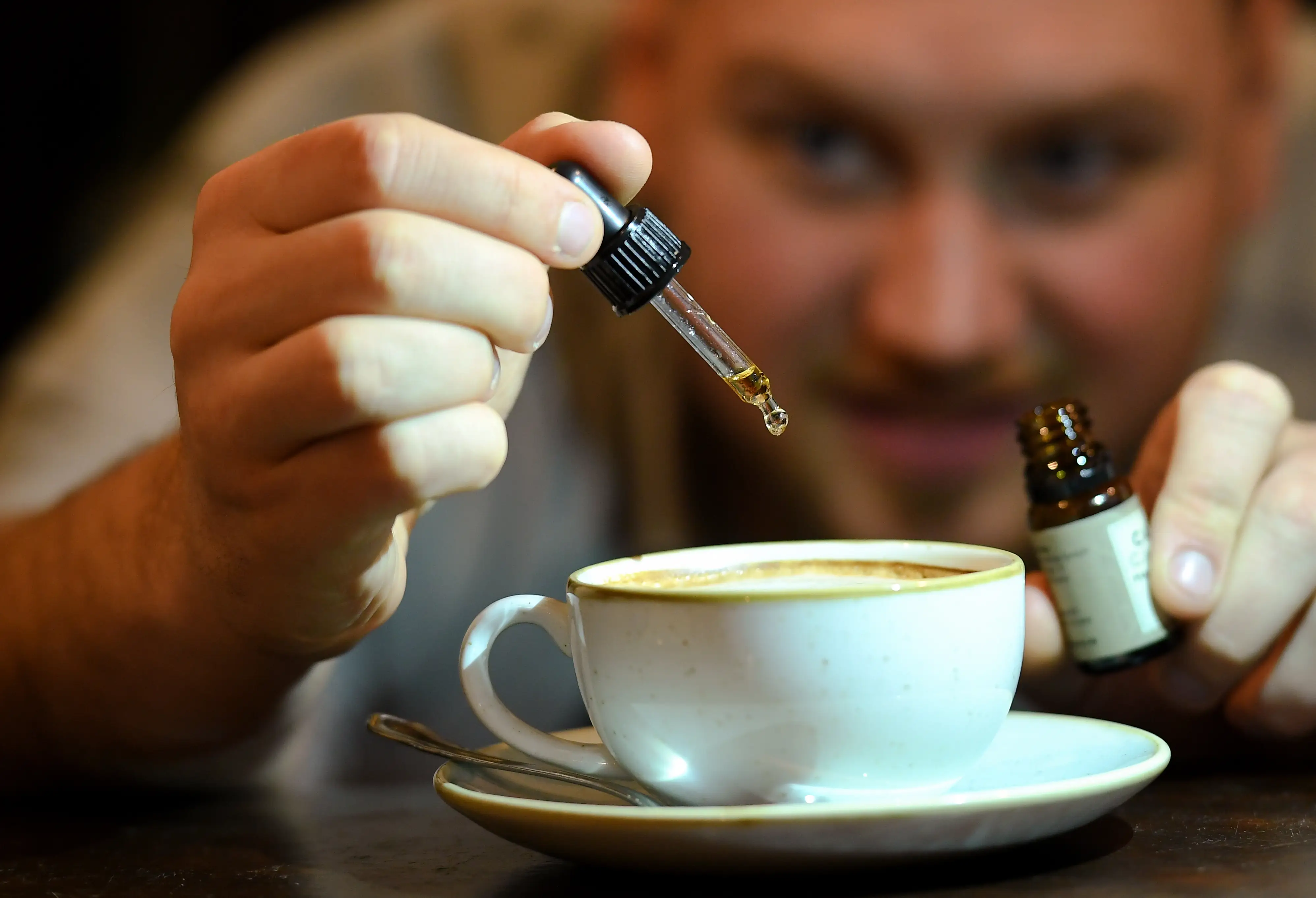
Whether all of those benefits hold up scientifically remains an open question, but that hasn’t slowed the pace of innovation. If anything, the pressure to stand out is accelerating it. Brands are layering in more ingredients, targeting more use cases, and expanding into new formats, including powders and tinctures, as well as ready-to-drink cans and coffee additives.
“We’re moving from a reactive health culture to a proactive health culture,” John Wiseman, the founder and CEO of Curious Elixirs, a line of adaptogen-blended alcohol alternatives, said, as more people look for ways to support their bodies before problems arise. “I don’t see that slowing down; I see that accelerating.”
The modern beverage isn’t just about quenching thirst. It’s about optimizing everything else, too.
Read the original article on Business Insider
The post The $200 billion functional drink boom is turning into a wellness arms race appeared first on Business Insider.