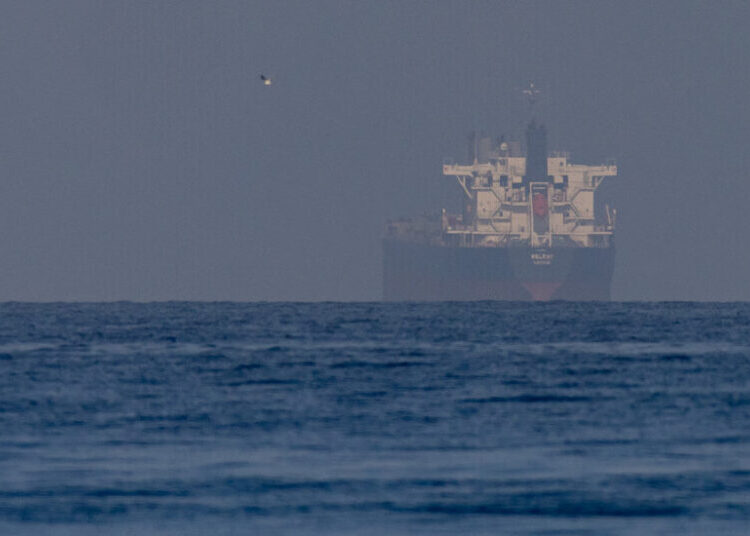
After President Trump demanded that Iran reopen the Strait of Hormuz in an Easter Sunday social media post, the Iranian embassy in Zimbabwe responded with a snarky quip on X: “We’ve lost the keys.”
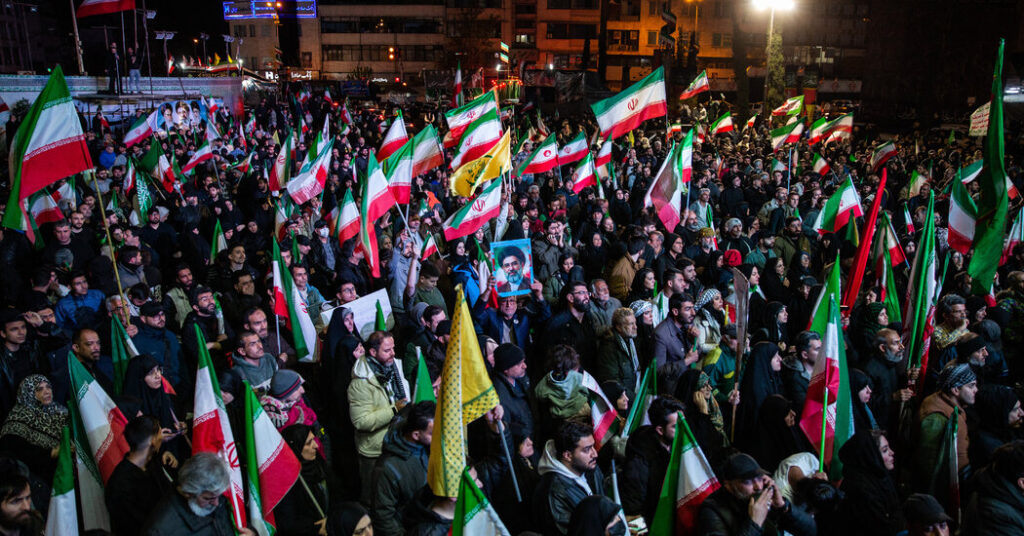
Since the United States and Israel attacked Iran in February, the official social media accounts of several Iranian embassies and consulates around the world have made posts that went viral, matching, if not surpassing, Mr. Trump’s social media bravado.
The Iranian embassies in Africa appear to have taken the lead, particularly the South Africa account.
“Say hello to the new world superpower,” read a post on X by Iran’s embassy in South Africa on Wednesday, the day the cease-fire between the United States, Israel and Iran took effect. The jab was an apparent reference to Washington’s failure to crush Iran’s theocratic rulers, despite a far superior military.
An earlier post from the embassy in South Africa played on Mr. Trump’s claims to be a peacemaker, juxtaposing a cartoon dove with the shadow of a fighter jet.
While other missions have shared posts on social media mocking Mr. Trump, the South African account stands out for its frequency, its ability to go viral and because of the warm relationship between Pretoria and Tehran.
Iranian officials seem to have made the calculation to be aggressive on the social media accounts of embassies in places “where it would not attract negative repercussions from the host government and where they could possibly get support from the population,” said Na’eem Jeenah, the executive director of the Afro-Middle East Center in Johannesburg. “South Africa is probably one of the better examples of that.”
The Trump administration has accused South Africa of being too cozy with Iran. The South African government has often responded by citing historical ties between the two nations and emphasizing the importance of nonalignment in its international diplomacy.
Not all of the posts have been humorous or mocking. The embassy in South Africa used artificial intelligence to reanimate some of the children said to have been killed by an American bomb that hit their school in the southern Iranian town of Minab early in the war. In the clips, the children discuss their dreams for the future.
Some argue that Iran is appropriating the language of the extremely online to engage in information warfare. The aim, analysts say, is partly to sanitize its image and influence a generation of young people unfamiliar with the brutal repression of dissent in Iran and the decades of geopolitical tensions with the West, but highly attuned to vibes.
Other Iranian embassies in Africa have used their accounts to flatter their host countries and give the impression that those countries support Iran in its war effort against the United States and Israel. In one post, the embassy in Tunisia started a chain with other Iranian embassies boasting that they had the backing of the countries mentioned.
John Eligon is the Johannesburg bureau chief for The Times, covering a wide range of events and trends that influence and shape the lives of ordinary people across southern Africa.
The post ‘Hello to the New World Superpower’: Iran’s Africa Missions Troll Trump appeared first on New York Times.