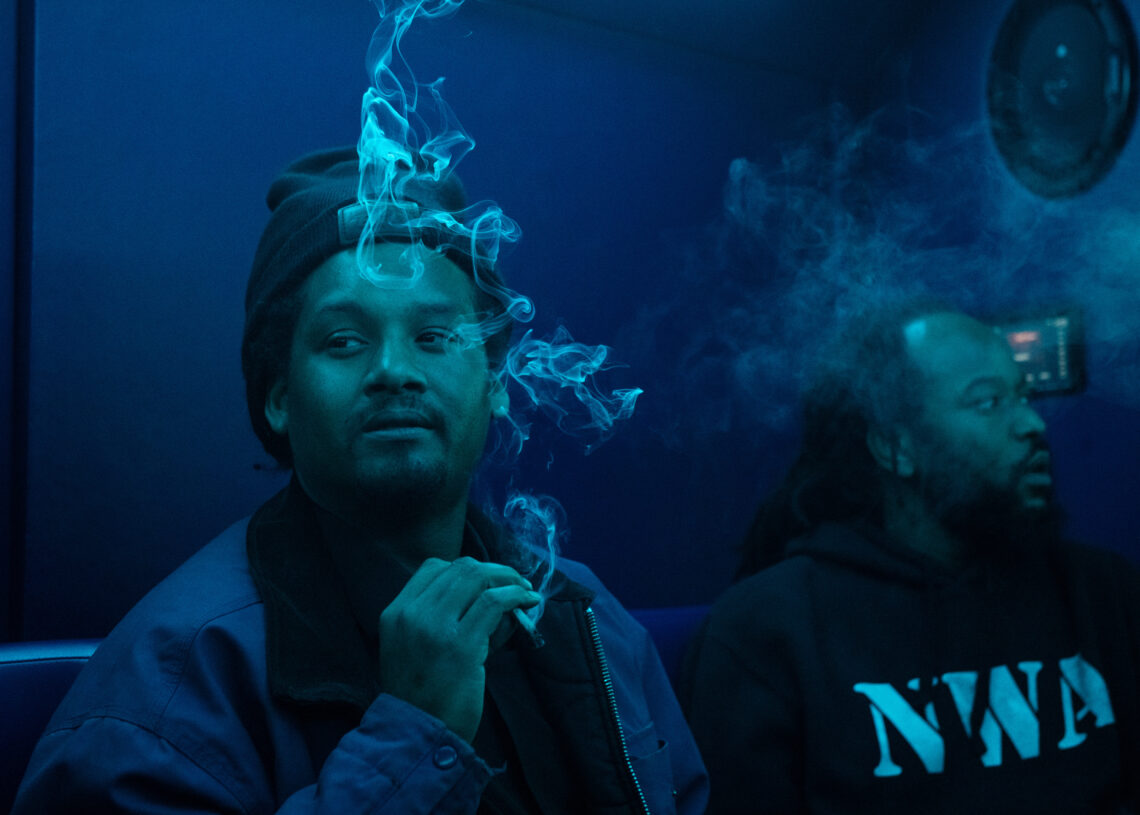
DENVER — Nine passengers eased into the bench seats of a small bus parked outside a sleek marijuana dispensary, chatting through the haze of the joints they had rolled. They were about to embark on a cannabis-infused tour of Denver’s murals, the kind of experience that prompted passenger Shawn Poole to leave Atlanta for this city five years ago.
“It’s why I moved here,” Poole, a 41-year-old landscaper, said of the law that put Colorado on the map as the first U.S. state to sell legal weed in 2014. “It’s just very chill.”
But Colorado’s pioneering cannabis market is now too chill for the liking of many involved in it. Five years after the pandemic cultivated a boom of stuck-at-home tokers who drove sales to record highs, the industry is weathering a harsh comedown featuring closures of veteran dispensaries and major chains, shuttered grow facilities, tumbling sales and tanking tax revenue.
New “marijuana hospitality” ventures like Dreamy Illusions, the tour bus, are bright spots in what has become a sobering market in a state early champions hoped would become the nation’s Silicon Valley of marijuana. Its owner, Victoria Osler, says her aim is a thriving business, but also one that “contributes positively to the cannabis industry and the community as a whole.”
It is an ambitious goal. While several states are seeing declining cannabis revenue, Colorado has been buffeted by multiple headwinds. Industry experts cite competition from nearby states that have legalized recreational use, an oversupply of product, the rise of intoxicating hemp, high taxes and tight regulations that contrast with some newer entrants, such as New York, where momentum is building.
In 2025, Colorado cannabis sales totaled about $1.3 billion, down from a high of $2.2 billion in 2021. Tax revenue declined about 44 percent over the same period — unwelcome news in a state facing a $1.5 billion budget shortfall. Weed prices have plummeted.
Colorado’s industry has spawned millionaires and national brands, and analysts say the data point to a maturing market, not a failing one. But the midlife crisis has been rough for both mom-and-pop outlets and chains.
Last month, PharmaCann Inc., a Chicago-based company that owns the Colorado-born LivWell brand, announced it would close a Denver growhouse and lay off 132 workers. The windows are boarded over at L’Eagle, one of the city’s first dispensaries, which closed last summer. Simply Pure — the nation’s first legal Black-owned dispensary and once practically a pilgrimage site for pot tourists — is temporarily closed while owner Wanda James seeks a new location. A rent hike priced her out.
She listed other woes, including lower customer spending as prices for gas and other necessities rise. But the biggest obstacle, she said, is that despite President Donald Trump’s order last year to relax restrictions, marijuana remains illegal at the federal level, limiting banking and advertising options.
“Without the ability to have banking … it just sucks the profits out of every cannabis business across the nation,” James said. “Everybody’s runway is going to run out, it just depends on when. That’s what we’re seeing right now: runways running out.”
When Amy Andrle and her husband launched L’Eagle as a medical marijuana operation in 2009, optimism abounded. “I just loved what we were — being part of something new and different and evolving,” she said. The company grew and sold organic products that appealed to what she called a “Whole Foods customer” and eventually employed 24 people.
But in recent years, regulations and taxes became too challenging, she said — especially as the costs of electricity, water, soil and Denver’s minimum wage kept rising, but a supply glut forced the company to lower prices. When the couple learned L’Eagle would need to relocate, they instead decided to close.
“It’s heartbreaking,” Andrle said. But the paperwork and licensing costs involved with moving “would have been too substantial an investment for us to be unsure about where the market was going in Colorado. We saw it being very bleak.”
To experts, the mellowing is no surprise. Colorado started with a honeymoon period in which “every year was a record year,” said Paul Seaborn, a University of Virginia assistant professor who previously taught about Colorado’s cannabis industry at the University of Denver. The market built out for several years, and a 2019 state law allowed out-of-state ownership of cannabis businesses, leading to consolidation.
The covid-era boom, Seaborn said, brought a false sense of security. By the time it receded, more states had legalized recreational cannabis, including next-door New Mexico.
Colorado was no longer “this kind of Midwest hub where people would drive into the state and buy,” then take it home to consume or sell, said economist Beau Whitney, whose Oregon firm tracks the cannabis industry. The good news, he said, is that Colorado’s revenue decline is slowing. The bad news, he said, is that without federal legalization, “you’ve peaked as a market.”
Whitney said he sees potential in cannabis-related tourism — a sophisticated version involving, perhaps, vineyard-style tasting rooms at marijuana farms.
Shannon Donnelly points to Cirrus, a hopping Denver luxury lounge where patrons can consume cannabis, as an example of what the struggling market needs — innovation. A former marijuana regulator for the city and county of Denver, she now heads Metropolitan State University of Denver’s new cannabis hospitality certificate program, where students learn about regulations, marketing and cannabis pairings with food. Three students have earned certificates, and 10 more are working on it.
“The majority are Gen Z, and they are so excited about the idea of being able to go to places to consume cannabis and have an adventure and have a fun time,” Donnelly said. Hospitality, she said, “is a way for cannabis to become community.”
But local and state laws still make it too hard to launch such businesses, Donnelly said. Stringent ventilation codes, for example, make opening a lounge in Denver expensive and time consuming, leaving looser places such as Las Vegas to lead the way, she said. And just a handful of Colorado jurisdictions permit businesses that allow consumption on the premises.
Osler, the owner of the Dreamy Illusions bus, is one of the program’s first certificate holders. A full-time nurse, she spent a $25,000 city grant on a used camper that she found on Craigslist and retrofitted it into a mobile cannabis lounge. She partners with dispensaries, which give riders a discount on products that they can consume during sightseeing tours or private parties.
The bus is plenty busy, Osler said. But business is tough. Insurance was difficult to find and costs $30,000 a year, she said. Recently, she learned that her marijuana hospitality license means she can’t also use the bus to host cannabis-free events for minors, such as prom parties — a major source of income.
“What I’m having to decide is, is it worth it to keep the consumption license?” she said.
For now, Osler said, she is determined to try to make it work. For this week’s tour, she started at AllPro, a dispensary recently opened by former Tennessee Titan and Denver native Bo Scaife. Its existence is also a sign of the market’s difficulties: Scaife started with a cannabis farm in southern Colorado, but when wholesale prices plunged, he decided “the only way to get those margins was to open up a storefront where you can sell it for more and actually make money,” said Bill Reilly, AllPro’s vice president of operations.
Reilly, who has been in the Colorado cannabis business for 12 years, said the buses and lounges operating under hospitality licenses give him some hope. “The last few years have been really awful,” he said. “But I think we’re starting to get to that plateau where we’re going to move up a little bit.”
As the bus prepared to depart, Osler reviewed important details with passengers. No alcohol or cigarettes were allowed on the bus, cameras — required under the license — would be recording the fun, and passengers should take it easy on the weed. (One man heeded this early, exiting before the tour started because he was too high. “And that’s okay!” Osler said. “Know your limits.”)
Poole sat in the back, fittingly clad in a Bob Marley T-shirt. He’d signed up for the $60 tour that morning when he saw an ad on Facebook while feeding his new baby. It looked fun, he thought, and he wanted to support a Black-owned business.
Quintaisha Wake, a paraeducator and bookkeeper, happened upon Dreamy Illusions online when she looked for a way to commemorate what she called “4/20 month.” A self-described lover of weed, she said she would normally be smoking at home, so she figured she’d bring a friend and meet new ones.
“This changed my whole day,” Wake, 29, said as the bus rolled along.
Poole, snapping photos of a mural in Denver’s hip RiNo district, pronounced the tour “dope.” Around him, the setting sun cast a warm glow over the neighborhood — home to a handful of dispensaries whose doors, for now, were still open.
The post After record highs, Colorado’s legal pot market hits a harsh comedown appeared first on Washington Post.