

Created in Partnership With Timberland
Bladesmithing instructor Justin Kirck started forging as a 14-year-old in his backyard, trying to make a sword in a makeshift charcoal forge. Then he worked his way up from shop boy to part-owner at Nazz Forge in Brooklyn, finding his calling at the furnace with fire and steel.
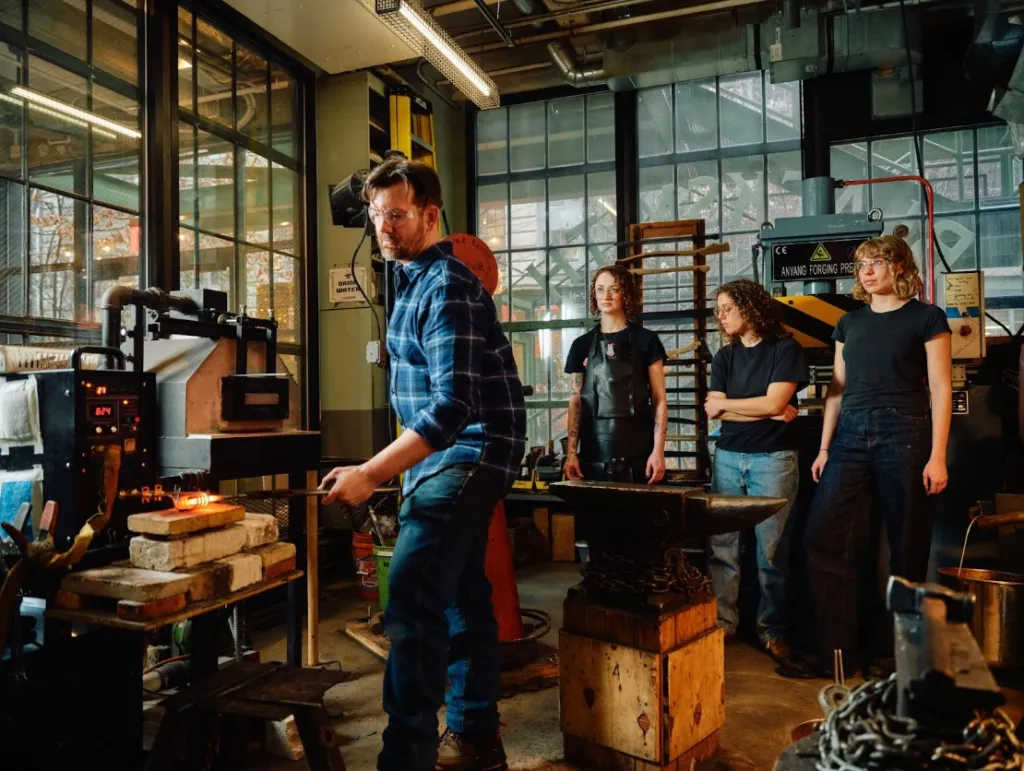
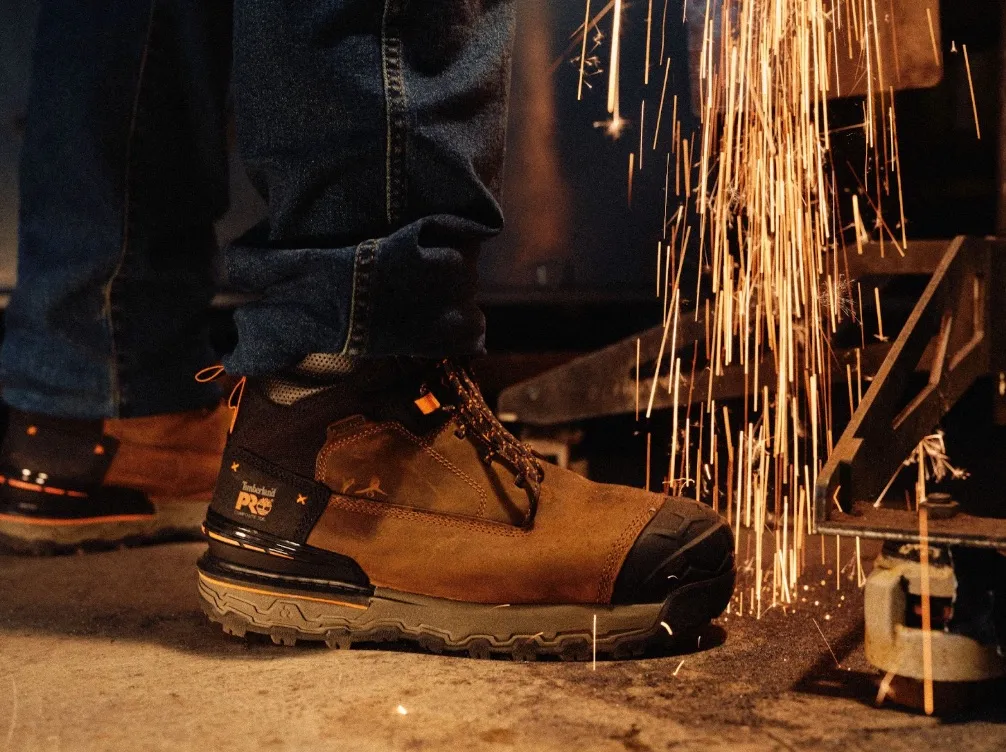
Smithing is “one of those arts that hasn’t changed in 1,000 years,” he says, wearing a beat-up old pair of Timberland PRO boots that have sparks rained upon them every day. “All metalworking is standing on the shoulders of giants,” says Kirck, whose anvil is more than 200 years old.
If apprentices stick with it, they can create things that might outlive them, the son of two teachers explains. This timeless sense of accomplishment is a stubbornly analog satisfaction in a world of frictionless digital everything. “It’s fun seeing the stuff that I learned and accumulated being handed off to the next group,” says Kirck, “and seeing what they’re adding, and what they’re keeping.”
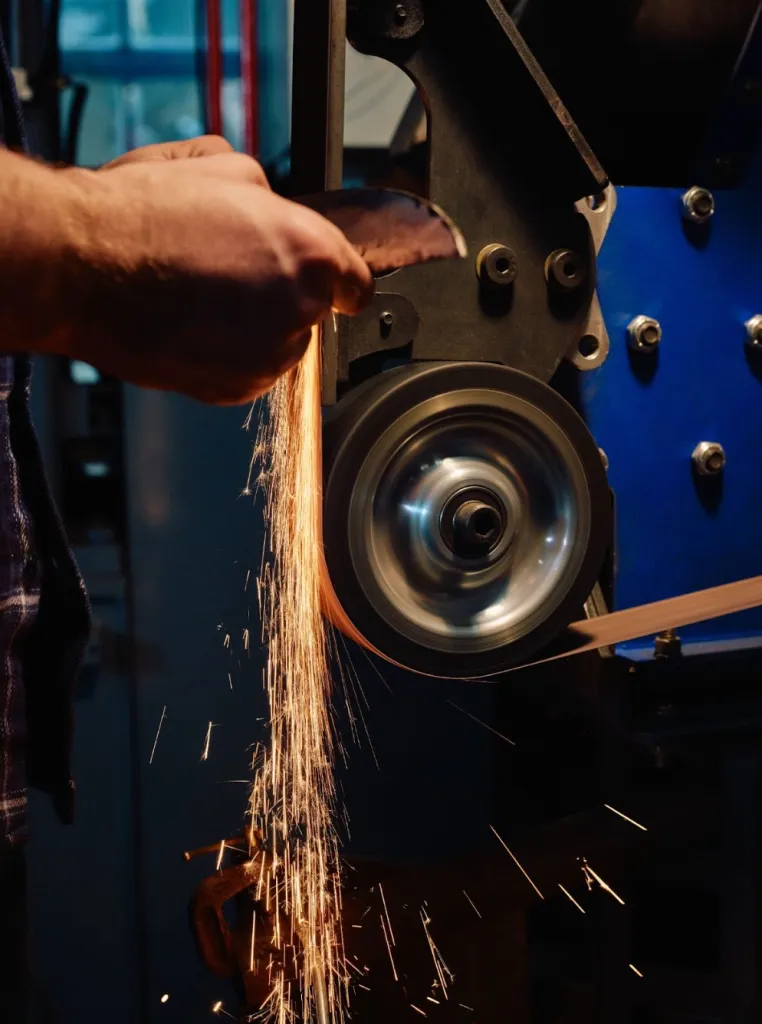
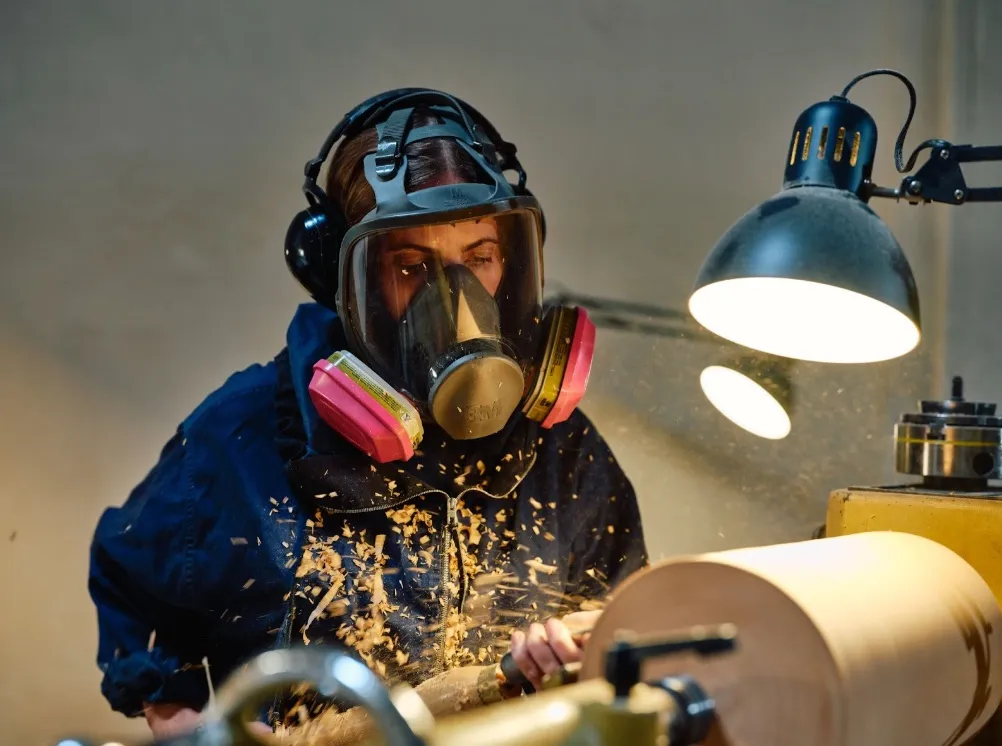
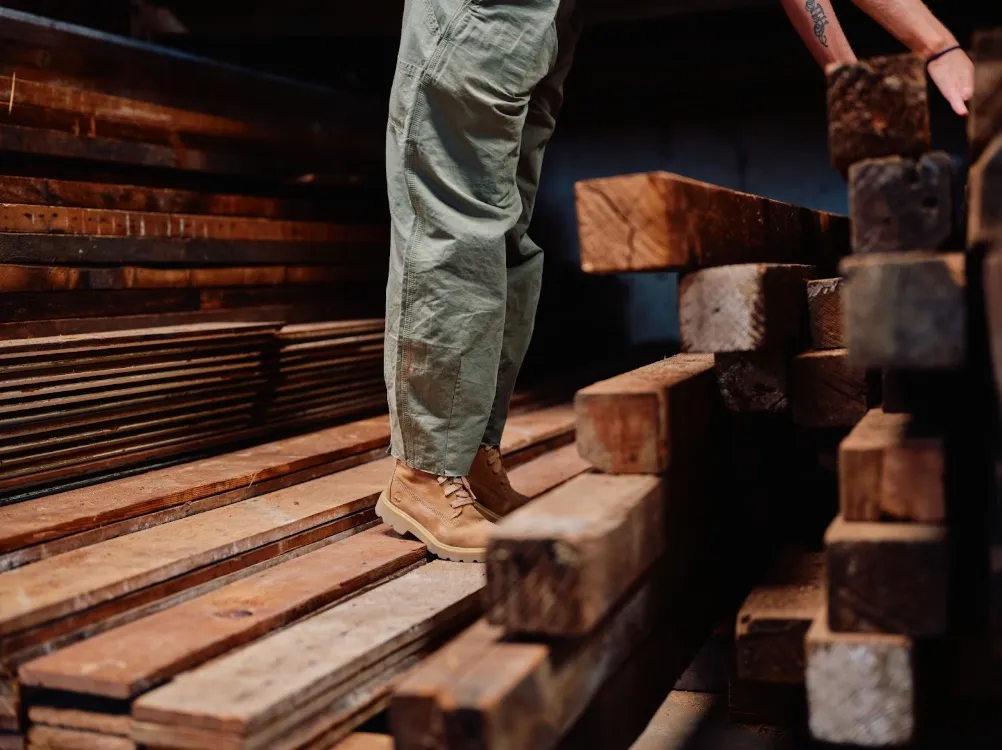
Sam Klemick grew up among makers who instilled high expectations and “a lack of preciousness.” Her carpenter grandfathers built the houses her parents were raised in. After 15 years in fashion design, however, Klemick almost burned out — before pivoting to a career more aligned with her forefathers. “I just wanted to do something slower, more mindfully,” Klemick says. “I wanted to use my hands again.”
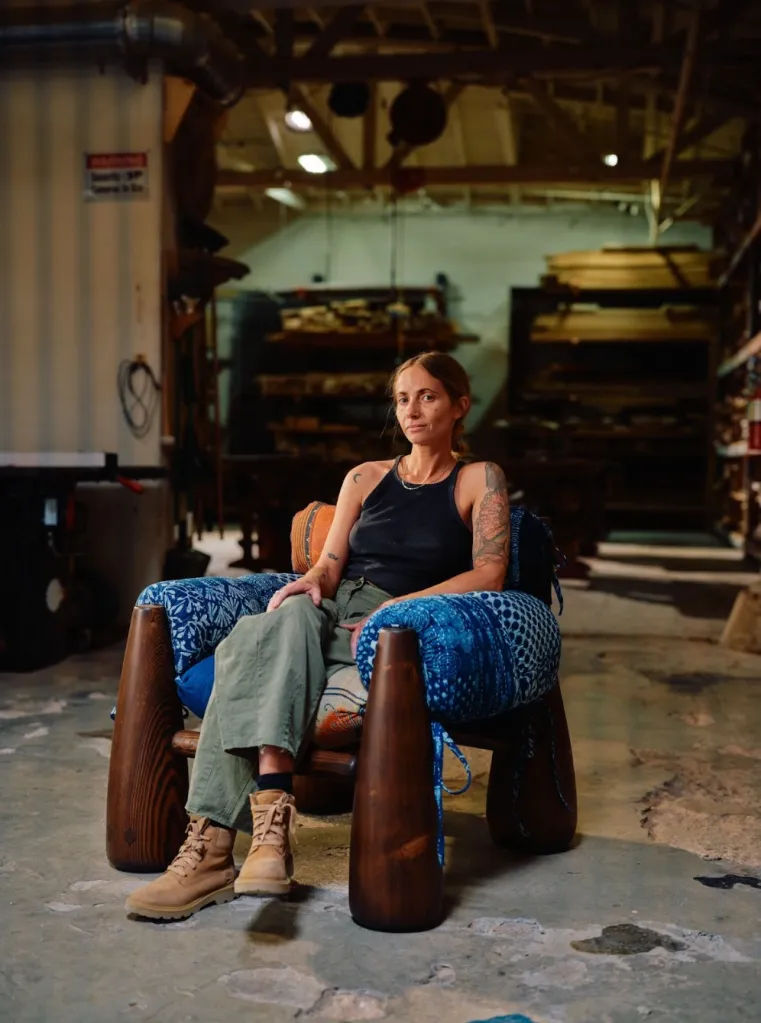
She started training as a woodworker and furniture designer, resolving to construct her own furniture for her home in Los Angeles as her first big project. “I took a class at a woodshop downtown; it just clicked.” Klemick was drawn to using reclaimed wood, and textiles for upholstery — giving it all a second life. Now she runs her own studio, staging exhibitions with sculptural tables and off-kilter chairs that are more like artworks than furniture. “I always want to feel like there’s room to do more and grow,” she says.
Chef Nathanael Cox has often worked in environments where there are not “a ton of people” who look like him. “That’s what makes my culture even more valuable to me,” he says. Feeling disconnected from his roots, he went to Jamaica for two months. “I had an aunt who taught me how to make everything.” He took down copious notes for the recipes, because he “wanted to learn how to make it the way she made it.”
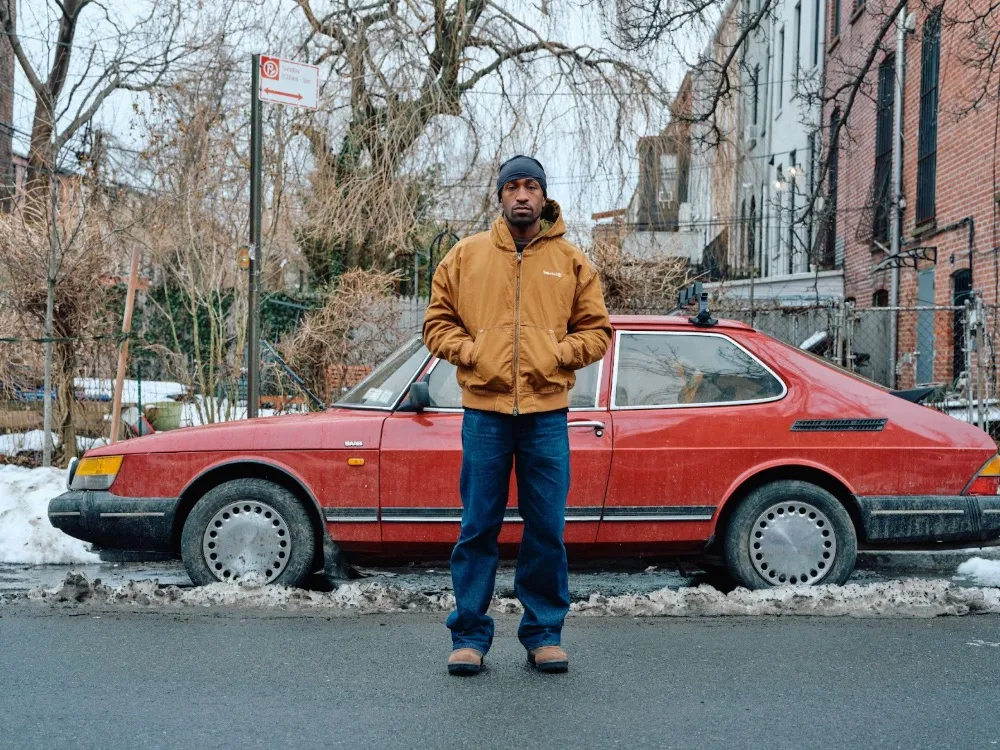
Back in New York, he found work at a Michelin-star gastropub. “I was super green and I think a lot of [the other chefs] didn’t think I would last.” The head chef pushed him hard — “because he saw that I wanted it, and that experience in that restaurant changed my life because it made me feel like I could do that.”
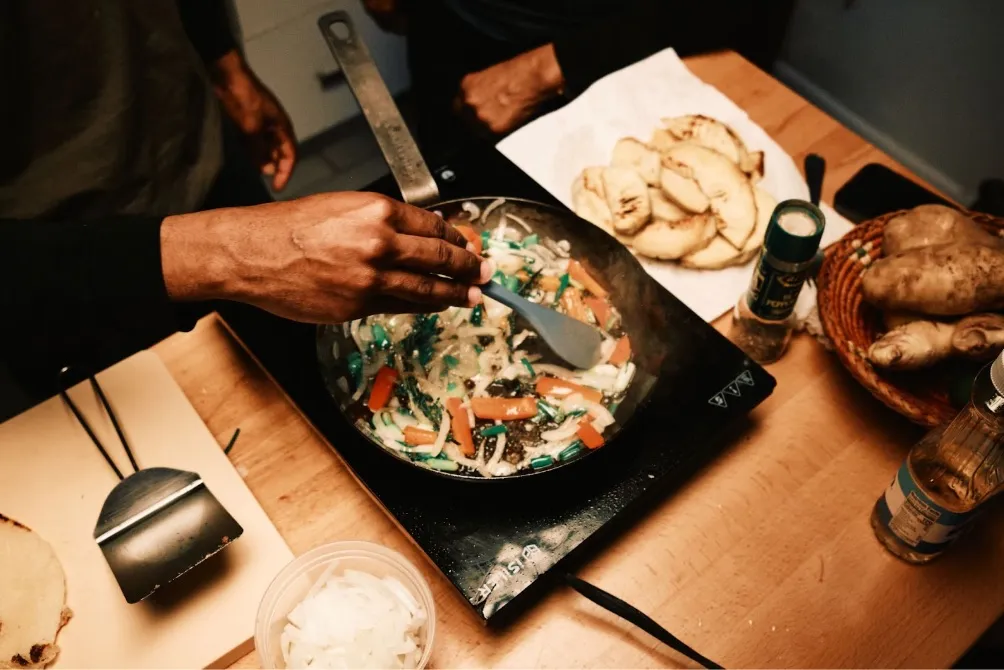
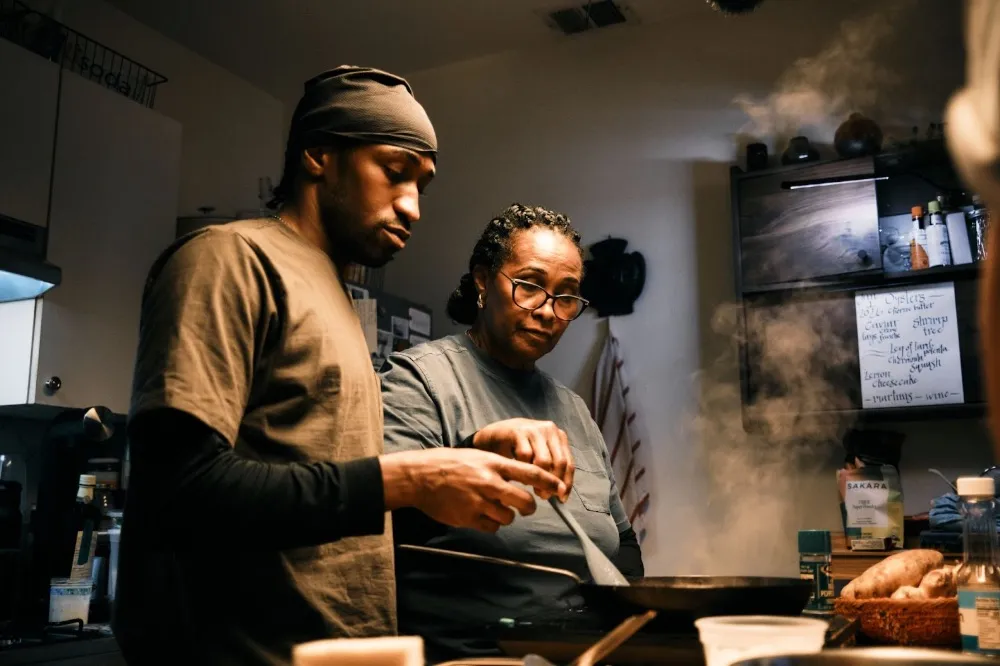
After lockdown, Cox set out to make the best handmade Jamaican beef patty he’d ever had. The result — bright yellow, turmeric-infused — reflects the mix of cultures that define Jamaican food. “Patties are symbolic of Jamaican cuisine,” he says. Cox started hosting successful pop-ups serving the patties, and is now planning to open a bakery driven by a wider aim: creating space for Caribbean voices “in places where you didn’t see yourself before.”
This trio of young artisans have embraced certain traditions from their predecessors and teachers, all while making something uniquely of their own. The oft-overlooked art and engineering genius of such craftspeople is a legacy worth preserving — for the next generation of apprentices who inherit such big shoes to fill.
VICE and Timberland’s Big Shoes to Fill documentary is out now on VICE’s YouTube.
The post Filling Big Shoes, On Their Own Terms appeared first on VICE.