Zachary Karabell is an author and investor and writes “The Edgy Optimist” on Substack.
In recent years, a common refrain has held that the period of globalization that followed the Cold War is ending. But if the situation in Iran and the Persian Gulf demonstrates anything, it’s that the world remains more economically integrated than ever. The global markets for goods and vital commodities such as oil, gas and fertilizer remain entrenched, even to the point that an economic colossus such as the United States or China is not immune to price and supply shocks.
The first supposed end of globalization was the financial crisis of 2008. Then, in 2016, it was the Brexit referendum, which the Economic Policy Institute suggested could be “the end of globalization as we know it.” This was quickly followed by the first election of Donald Trump and his “America First” approach to foreign affairs, which came as progressives were also cooling to the idea of a globalized economy that they believed enriched companies and elites while impoverishing the working class.
The covid-19 crisis of 2020-2021 was supposed to hasten globalization’s demise while leading countries and companies to build more “resilient” supply chains. And finally, the second season of the Trump Show seems hell-bent on deconstructing the entire post-World War II neoliberal order, including the United Nations and NATO.
It is true that these and other supply shocks led to investments in more diverse sources of energy. After its vulnerability to imports of oil was exposed in the 1970s, the U.S. worked to reduce its dependence on foreign oil. By the late 2010s, U.S. investment in shale oil extraction, liquefied natural gas and ethanol production made the U.S. a net exporter of energy. Russia’s 2022 invasion of Ukraine and the subsequent European Union decision to restrict its imports of Russian oil and gas lowered dependency on any one supplier.
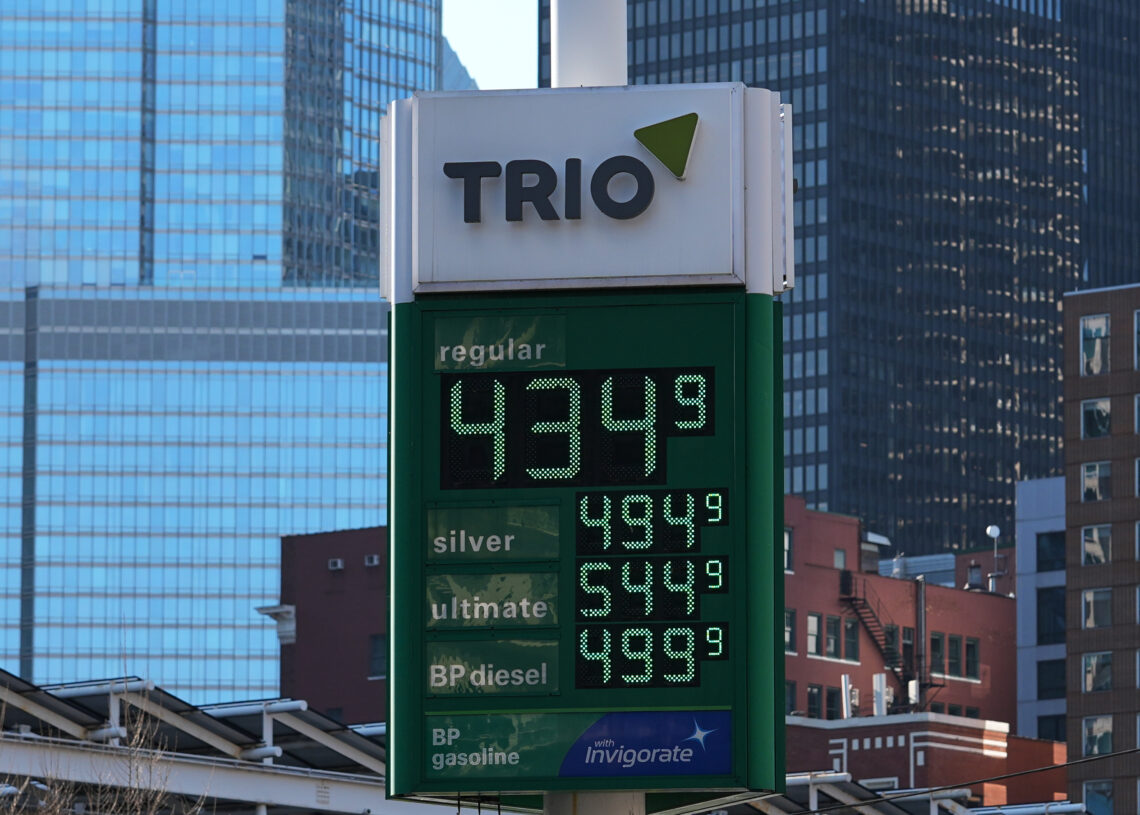
But the U.S. isn’t energy independent. The soaring price of gas due to the closure of the Strait of Hormuz is a sharp reminder of that. It is also a reminder that the world’s energy, commodities and supply chains remain significantly interconnected, even as the armchair narrative has been that the whole experiment of globalization failed. Whether or not it failed, whether its detractors on the left and the right like it, the interdependence of every country is a stark reality of the world.
American energy independence would require a decade of work and trillions of dollars spent on building pipelines, increasing refining capacity and retooling its power plants. Even amid the latest supply disruption, doing so makes little economic sense. The world has a wealth of oil and gas supply, and there are complexities and costs tied to which type of oil (light crude, such as Brent or West Texas Intermediate, versus heavy sour oil from Venezuela) can be refined into what products (gasoline, jet fuel, diesel). This is why the U.S. exports and imports millions of barrels of oil every day.
The same principle applies to chemicals and fertilizers made with natural gas. Much of the world’s fertilizer is made in the Gulf states, particularly Qatar, because those countries produce so much natural gas and have invested in factories. About a third of global seaborne trade of fertilizers passes through the Strait of Hormuz. And it’s not just where the products are made, but where it makes the most economic sense to ship them from. The United Arab Emirates, for example, is a leader in bulk container shipping because it is an efficient cargo hub.
The illusion that globalization is over simply because people and governments say it is should be shattered by the closing of the Strait of Hormuz. A system is not replaced just because pundits say it’s bad, politicians declare they plan to end it or people express a desire for something different.
Energy and supply chains that took decades to create and trillions of dollars to build will endure because they are the least expensive way to provide consumers what they want and countries what they need. The only way to change that is to spend money and time to create alternatives. For now, the world remains interdependent, with globalized supply chains and all the attendant strengths and vulnerabilities.
The post Globalization hasn’t stopped. The chaos over Hormuz proves it. appeared first on Washington Post.