Eating a nutritious diet is important at any age. But as you get older, there are certain nutrients that you need to prioritize.
That’s because your nutrition needs change throughout your life. It’s obvious, for example, that a 6-month-old has different nutritional needs than a 6-year-old. But it’s also the case that your nutrition needs at 65 are not the same as when you were 35.
As you approach your 60s, your body becomes less able to absorb certain vitamins, minerals and macronutrients. You need more calcium and vitamin D to prevent bone loss and hip fractures, and you need to ensure that you’re eating enough protein and calories to blunt the gradual loss of muscle and strength that occurs with aging, known as sarcopenia.
Keep in mind that it’s not just your age that determines your nutrition needs. Your sex, weight, physical activity levels and medical conditions can influence which nutrients you need to prioritize. But in general, experts say, there are certain nutrients that everyone needs to pay more attention to after they reach their 50s, 60s and 70s.
These are the seven key nutrients that older adults should prioritize, along with recipes and meal recommendations that can help you meet your nutrition goals.
Calcium
Calcium is the most abundant mineral in the body. It keeps your bones and teeth strong. It helps your muscles contract and relax, and it facilitates the release of important hormones and neurotransmitters.
Your body can’t produce calcium, so you need to get it from your diet. Otherwise, your body will get the calcium it needs by leaching it from your bones, which could make them brittle. As you get older, your body is less able to absorb calcium from your diet, so you need to consume more of it to maintain your bone health.
“Everyone ages differently, but your bones become weaker as you get older, and that increases the risk of fractures,” said Katie Dodd, a registered dietitian nutritionist who runs a blog on nutrition for seniors called the Geriatric Dietitian. “You have less muscle as you get older, worse balance, and you’re at a higher risk for falling. And if you do fall, we want to make sure that your bones are strong, and they don’t break.”
The National Academies of Sciences, Engineering and Medicine states that men between the ages of 19 and 70 need 1,000 milligrams of calcium daily. But once they reach the age of 71, the recommended intake for men rises to 1,200 mg per day.
For women, the increased need for calcium starts earlier because menopause causes a sharp decline in hormones that help protect bone density. Women need to consume 1,000 mg of calcium daily between the ages of 19 and 50, and then 1,200 mg per day starting at age 51.
Some of the best dietary sources of calcium are dairy foods such as yogurt, milk and cheese, canned salmon and sardines with bones, and certain plant foods such as kale, collard greens, broccoli, bok choy, chia seeds and soybeans. Many foods are also fortified with calcium, meaning this mineral is added to them. These include soy milk, almond milk, rice milk, orange juice and some types of tofu.
To start your day off with a boost of calcium, consider trying this recipe for Raspberry Almond Chia Pudding Parfaits. You can make the parfaits in advance and store them in the refrigerator. And if you’re vegan, you can use soy or almond milk — both of which may have a lot of calcium if they are fortified (check the label, not all contain it) — instead of cow’s milk.
Vitamin D
Vitamin D promotes calcium absorption in the gut. It plays a role in our immune systems, supports brain and muscle health, and may help prevent some chronic diseases. It’s called the sunshine vitamin because our bodies produce it when our skin is exposed to sunlight.
But as we get older, getting enough vitamin D becomes more difficult. Our body’s ability to produce it in response to sunlight declines with age, and older adults are more likely to spend a lot of time indoors compared with younger people.
Health authorities recommend that adults get 600 international units (IU) of vitamin D daily. But for men and women over the age of 70, the requirement rises to 800 IU daily.
You can get vitamin D in your diet by making sure to eat certain foods that naturally contain it. These include fatty fish — such as salmon, cod and trout — egg yolks and mushrooms. Many foods are also fortified with vitamin D, such as plant-based milks, breakfast cereals, orange juice and dairy foods like cow’s milk, yogurt, kefir and cheese.
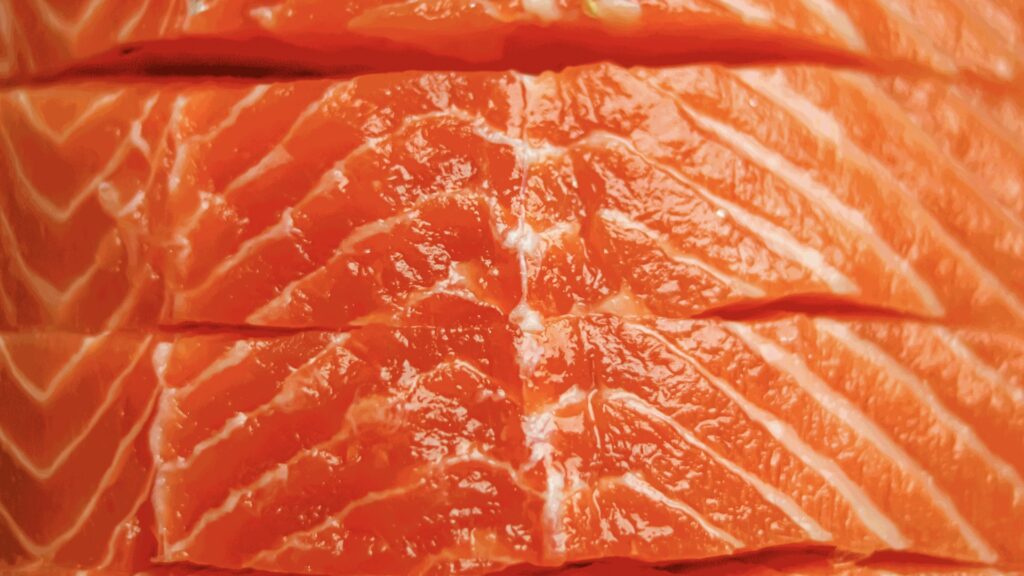
If you want to boost your vitamin D levels, consider eating two to three servings of salmon weekly. You can look for affordable options such as canned wild salmon, frozen wild salmon burgers and frozen fillets. Then try them out in quick and tasty recipes such as Creamy Salmon Pasta and 5-minute Crispy Salmon With Creamy Horseradish Sauce.
If you don’t like fish, eggs or milk, or you’re worried you’re not getting enough vitamin D, consider talking to your doctor or another health care professional. They can help you decide whether it makes sense to get tested for vitamin D deficiency, and can also talk to you about possibly taking a vitamin D supplement.
Vitamin B6
Vitamin B6 plays a role in your metabolism, nervous system and brain health. It also helps your body produce red blood cells. Our bodies can’t produce this vitamin, so you need to get it from your diet. Studies have found that people who are deficient in vitamin B6 may be at higher risk of anemia, heart disease, cancer and other health conditions.
Older adults need more vitamin B6 because their bodies break it down more quickly and absorb it less efficiently. Health authorities recommend that adults between ages 19 and 50 consume 1.3 mg of vitamin B6 daily. But men 51 and older need 1.7 mg per day, and women 51 and older need 1.5 mg daily.
Thankfully, vitamin B6 is found in a wide variety of foods. So adults who eat a balanced diet are unlikely to be deficient, said Dodd, the dietitian nutritionist. Animal-based foods such as chicken breast, seafood, ground beef, turkey, pork and organ meats are excellent sources of vitamin B6. But you can also get plenty of B6 from plant foods such as chickpeas, lentils, bananas, avocados, nuts and seeds, leafy greens, potatoes, whole grains and fortified cereals.
An easy way to boost the amount of vitamin B6 in your diet is to eat chickpeas. One cup of canned chickpeas has 1.14 mg of vitamin B6 — more than half the daily recommended amount for adults and seniors. Chickpeas are also affordable and easy to cook with. Consider trying this quick and delicious recipe for Chickpea Salad With Red Pepper, Cucumber and Mint. Or if you want something heartier, there’s Chickpea Salad Toasts With Poached Egg, which makes a great breakfast, lunch or dinner.
Vitamin B12
Vitamin B12 plays a number of roles in your body, including helping your nervous system function properly. People who don’t get enough of it can experience fatigue, anemia, constipation, unintended weight loss and neurological issues.
The recommended daily intake for vitamin B12 is 2.4 mg for most adults 18 or older. But seniors need to pay special attention to vitamin B12 because roughly 10 to 30 percent of older adults have a difficult time absorbing it from food, Dodd said.
Some medications commonly used by older adults can disrupt the body’s ability to absorb vitamin B12, said Chris Barrett, a clinical registered dietitian at the Bone & Joint Institute at Hartford HealthCare in Connecticut. These include metformin for Type 2 diabetes, and proton pump inhibitors, which are used to treat gastroesophageal reflux disease.
People with celiac disease and Crohn’s disease may also have trouble absorbing adequate amounts of vitamin B12 from their food.
Vitamin B12 is naturally found in many animal foods, such as beef, eggs, poultry, shellfish and other seafood, milk, yogurt and cheese. But because seniors are at high risk of being deficient, it’s recommended that they get at least half of their vitamin B12 from fortified foods — such as breakfast cereals, plant-based milks, nutritional yeast and meat substitutes — or from dietary supplements like a multivitamin, Dodd said.
Protein, fiber and calories
It’s not just vitamins and minerals that can be a challenge for older adults. Many seniors have a hard time getting enough protein, calories and fiber.
That can be a problem for several reasons. As you get older, your muscle mass starts to drop, and this decline accelerates as you enter your 60s. To blunt this natural loss of muscle, you need to exercise, and make sure you’re eating adequate amounts of protein and calories.
Yet studies suggest that almost a third of seniors in the United States, Canada and Europe don’t eat the recommended daily amount of protein — in part because appetite tends to decline with age, leading many older adults to consume fewer calories. At the same time, about 95 percent of adults — including many seniors — don’t eat the recommended amount of fiber. This can lead to constipation and an increased risk of cardiovascular disease and other health problems.
As a result, it’s important for older adults to focus on eating meals that provide plenty of protein and fiber, along with enough calories and the other nutrients that they need.
If you are 65 or older, you should aim to eat around 0.45 to 0.54 grams of protein per pound of body weight, Dodd said. That’s about 68 to 81 grams of protein a day for the average person in that age group who weighs 150 pounds. Men who are 51 and older need to consume 30 grams of fiber a day, and women 51 and older need to consume at least 21 grams daily.
The key is to think about combining protein and fiber at every meal.
You can do this by eating meals such as Greek yogurt with fruit, eggs with veggies, and breakfast burritos with beans for breakfast. For lunch and dinner, think about eating things like salads, beans, nuts and lentils with grilled chicken, salmon, tofu and other lean proteins. You can find more ideas and suggestions from dietitians.
If you find yourself grappling with a reduced appetite, try eating foods that are high in fat and relatively nutritious, Dodd said. These include the following:
- Avocados
- Whole milk
- Olive oil
- Peanut butter
- Eggs
- Butter
- Coconut
- Nuts
- Cottage cheese
Another good option would be drinking smoothies made with whole milk, berries, spinach, peanut butter and a scoop of protein powder. “If you can only eat so much because you have less of an appetite, then focus on eating higher-calorie foods so you can get more bang for your buck,” Dodd said. “That’s where a protein shake or a nutrition shake might come in handy.”
Do you have a question about healthy eating? Email [email protected] and we may answer your question in a future column.
The post 7 nutrients you need to pay attention to as you age appeared first on Washington Post.