These days remote work is hard to come by — and at some firms, employees now risk losing equity or promotions if they don’t show up in person.
Superhuman, however, is offering extra benefits to those who show up IRL more often, rather than penalizing those who don’t.
The company — which offers a suite of AI productivity tools, including Grammarly — rolled out a system in January to reward workers who come to the office. The move followed an attempt at mandating two days in person for its engineering teams.
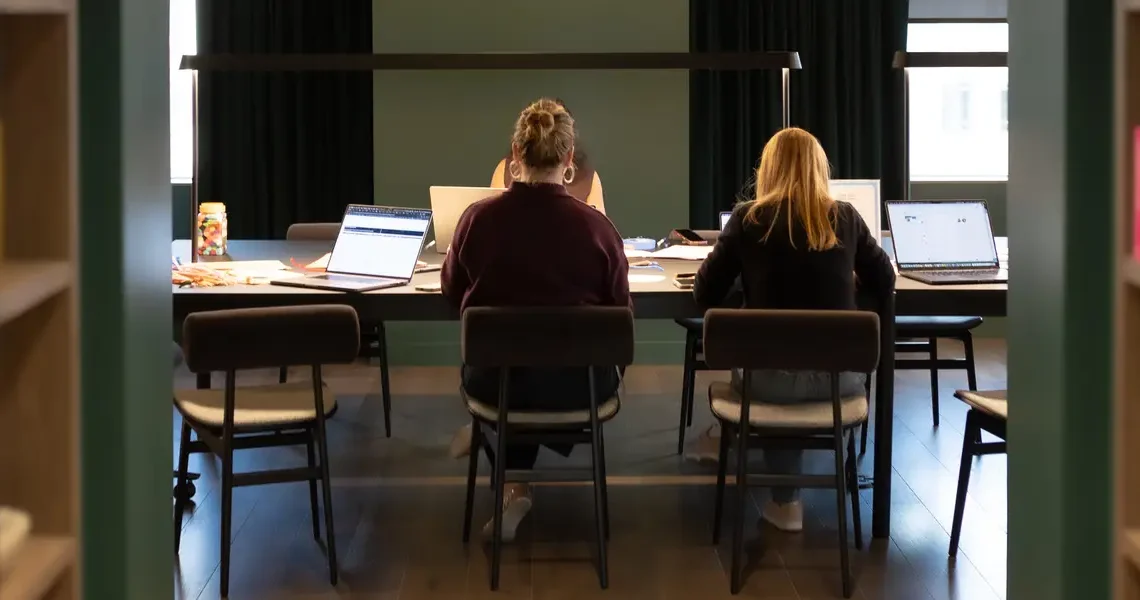
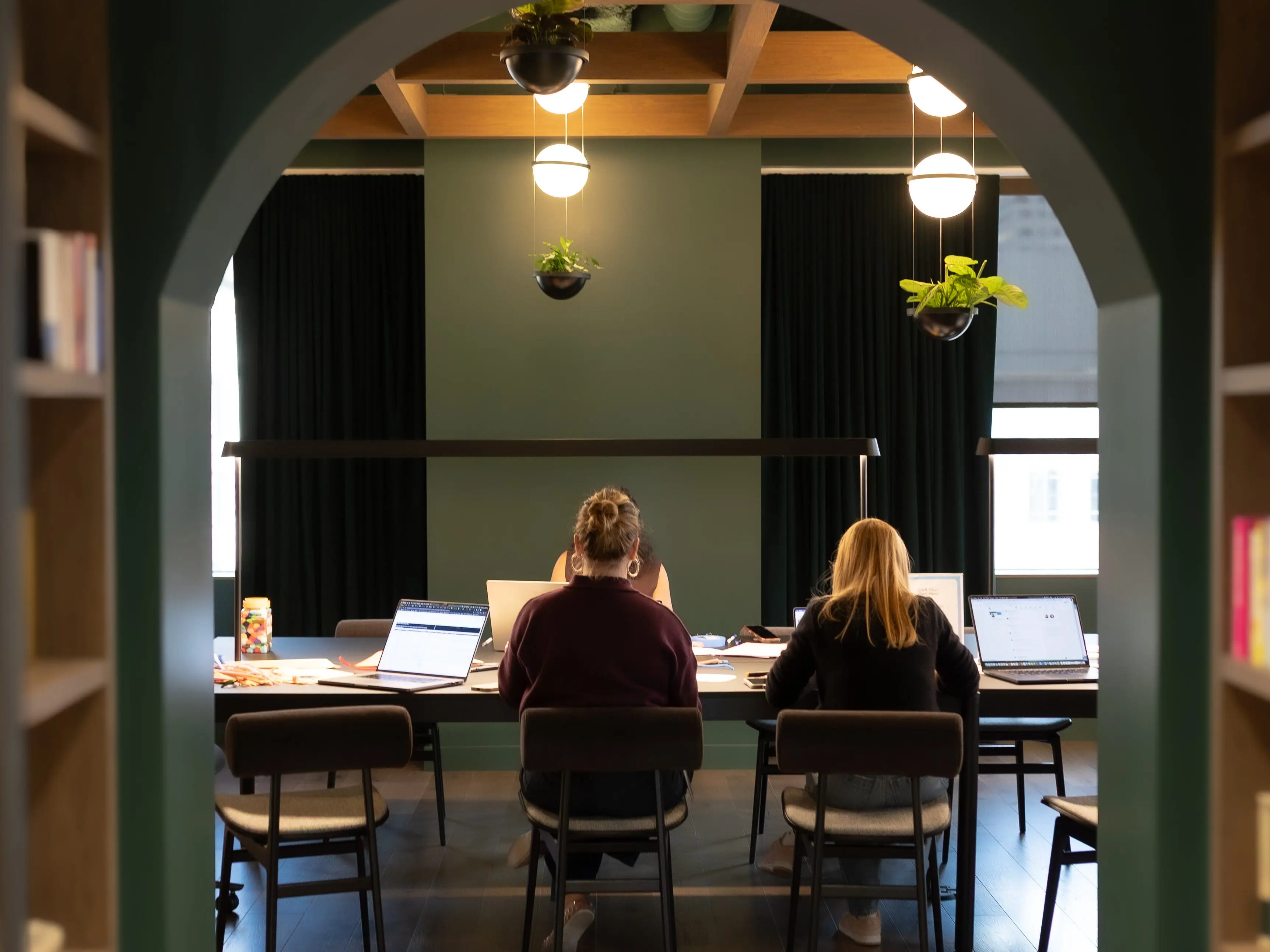
Superhuman has over 1,500 employees globally, and its chief people officer, Kenny Mendes, said the company has seen a 57% increase in daily attendance across all of its offices since rolling out its “Ways of Working Program,” a tiered opt-in model that lets team members choose from two- to five-day in-office plans.
Spend more time in the office, and you get more perks, including commuter benefits and wellness stipends, which can be put toward things like childcare expenses, gym memberships, grocery delivery, and cleaning services. Those in the US who opt to work two days per week in the office get $500 per quarter in wellness stipends, and those who work five days a week get up to $2,000 quarterly.
“If you look at that as a percentage of salary relative to the impact it has on that employee — being more productive, being more engaged, solving problems faster — it’s a no-brainer spend from a company standpoint,” Mendes told Business Insider.
Initially, the company targeted its engineering, product, and design teams for a return to the office. However, interest spread across departments, and now 75% of employees near a hub have opted into a plan, with a third of those choosing to come in four or five days a week. The company has eight hubs across North America and Europe, Mendes said.
A ‘failed’ RTO attempt
When Mendes joined the company after it acquired Coda in January 2025, he said there was a push to unify policies across the combined organizations — and he was, for better or worse, handed the “RTO baton.” The CPO said there was visible “negative energy and sentiment” about the company’s two-day return-to-office mandate for engineers last April.
It wasn’t particularly effective either.
“It failed,” Mendes said. “Six months later, we were seeing low compliance, empty offices, and team members telling us point blank that coming in wasn’t worth it because no one else was there.”
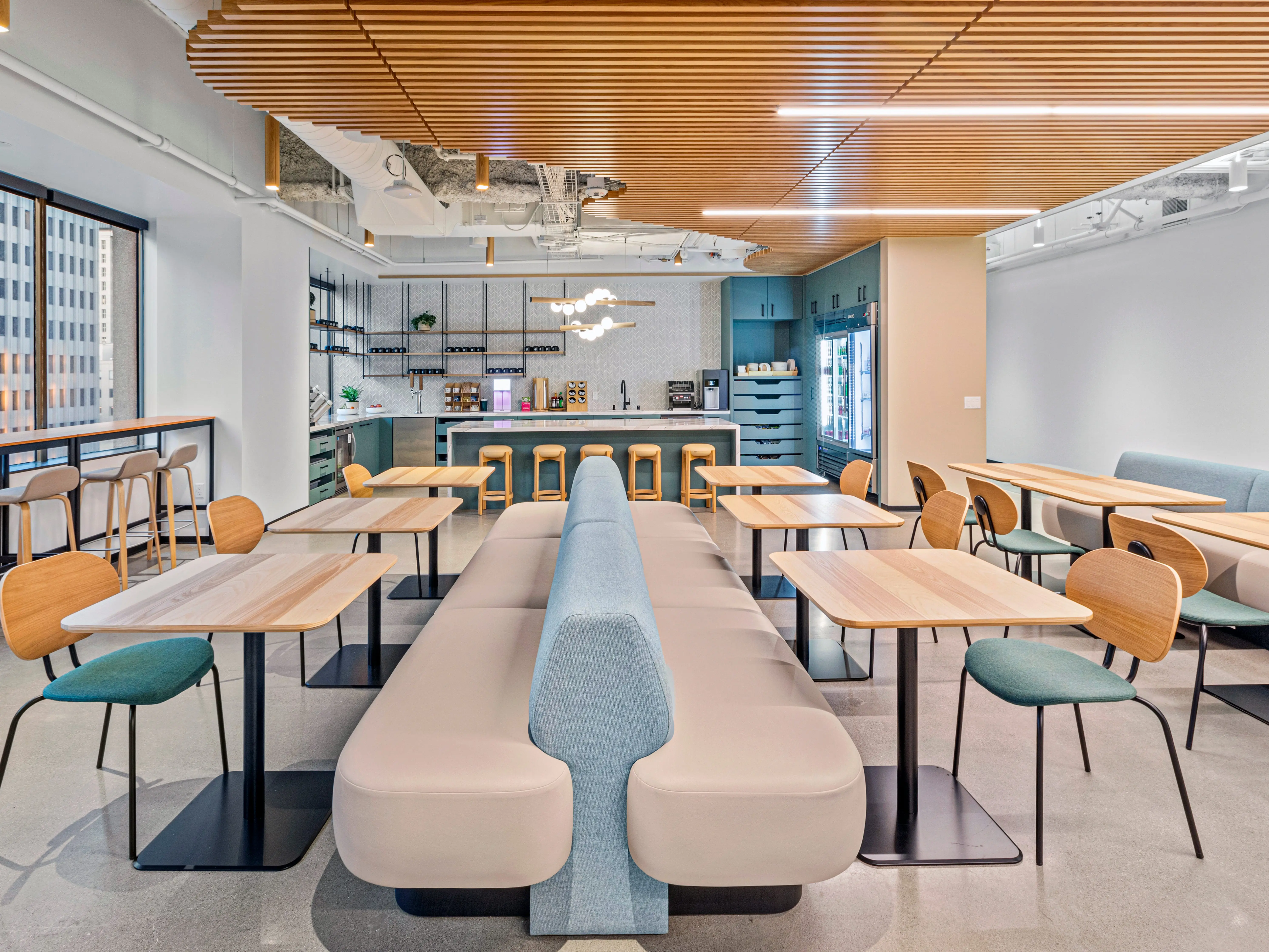
Mendes said the situation was frustrating to management, given that 70% of its staff lived within commuting distance to its hubs across North America and Europe. He said the RTO plan felt like filling people into an airport.
“You’re looking around and you’re like, “Yeah, I’m sitting next to this person. I really don’t want to talk to them. I just trying to get out of here as quickly as possible,'” Mendes said.
Reframing in-person work
That led Mendes to seek advice from behavioral scientist Jon Levy. Mendes said Levy led him to shift his focus to making the office so enticing that people want to come in, rather than requiring them to.
“We were pulling teeth to get people in two days a week,” Mendes said. “But could we get them to choose to come in five?”
Mendes said the new policy isn’t just about offering financial incentives. He said communication was key in the process for it to land effectively.
The effort began with Mendes and Levy hosting a fireside chat to discuss how the workplace has evolved and what the company needs moving forward, he said. Leadership emphasized that team effectiveness depends on trust and connection — and that in-person time plays a key role in that.
The company then asked teams why they were reluctant to come in. Many workers reported practical barriers, like parking costs and desk setups. Mendes said the idea wasn’t to pay people to come in — because then people naturally approach it as a cost analysis to determine whether their time is worth it. The goal, Mendes said, was to identify and eliminate friction points so coming into the office wouldn’t feel like a hassle.
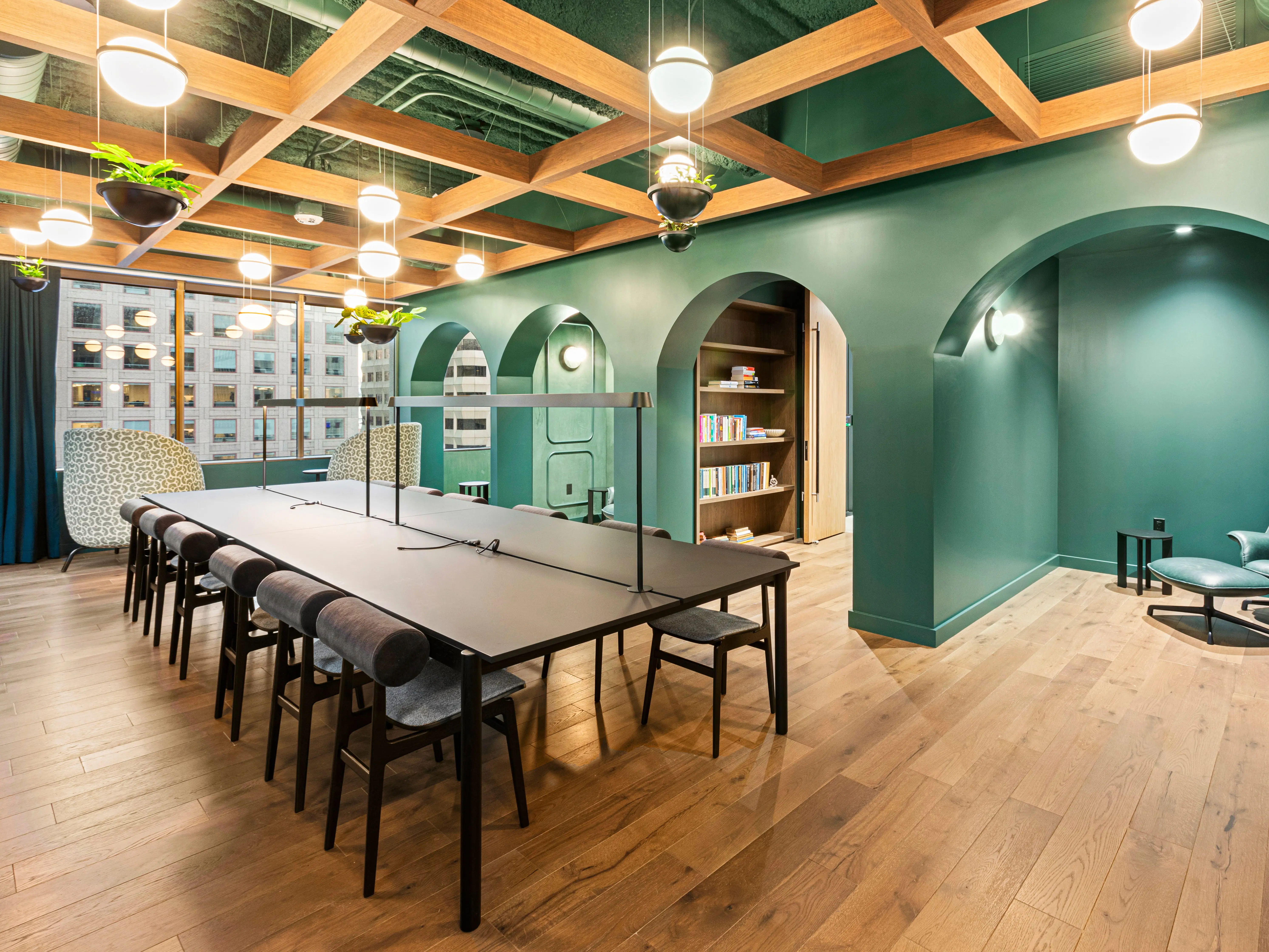
The company also made other tweaks to cultivate a more social atmosphere, such as changing the desk tops from five to four feet to increase office density. It also offers daily lunch and social hours.

A key question during the rollout was whether employees would stick to their chosen schedules, Mendes said. So far, the CPO said that attendance has been strong, with employees showing up 85% of the time they committed to.
“I’ve been really shocked at how well it’s working,” Mendes said.
Read the original article on Business Insider
The post RTO didn’t stick. Now this company is paying workers to come in — and said office attendance has increased 57%. appeared first on Business Insider.