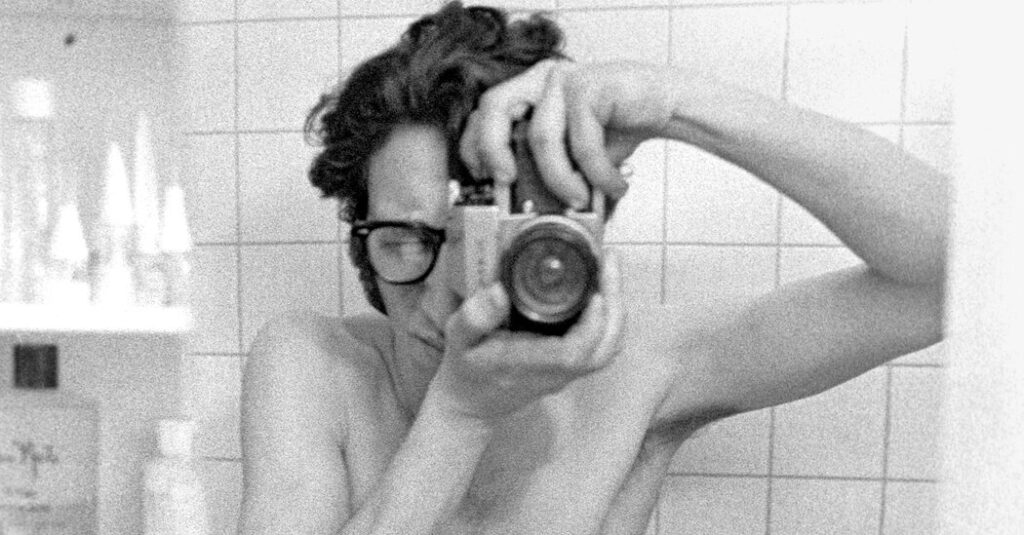
Nathan Farb’s photography captured a remarkably a broad range of subjects, including the late 1960s counterculture in Manhattan, the residents of a remote Siberian city under Soviet rule and the painterly landscapes of the Adirondack Mountains in upstate New York.
“The camera satisfied so many needs for me,” Mr. Farb, who died on March 26 at 85, said in the 2024 documentary “Nathan Farb and the Cold War.” “The need to be with people, the need to connect to people, the need to express myself, the need to be able to comment on society.”
In 1967, Mr. Farb bought a 35-millimeter camera and began exploring Lower Manhattan during the East Coast version of the Summer of Love.
In Tompkins Square Park, Mr. Farb shot images of people dancing in the rain. As he put it, “In the midst of the city, they’ve achieved their solitude.”
Years before Mr. Farb traveled to the Soviet Union, he visited Romania and photographed the people there.
When Mr. Farb traveled to the Soviet Union in 1977, he set up a photography studio in Novosibirsk, a city in Siberia, where hundreds of residents waited in line to be photographed.
As Mr. Farb neared 40, he found he “had to be alone for a certain period of time,” he said. That’s when he turned his focus to the Adirondacks.
“I was trying to make images that would represent points where you could meditate,” he said.
The post Nathan Farb’s Roving Lens appeared first on New York Times.