John Yoo is a senior research fellow at the Civitas Institute at the University of Texas at Austin and a law professor at the University of California at Berkeley. Michael Toth is Civitas’s research director.
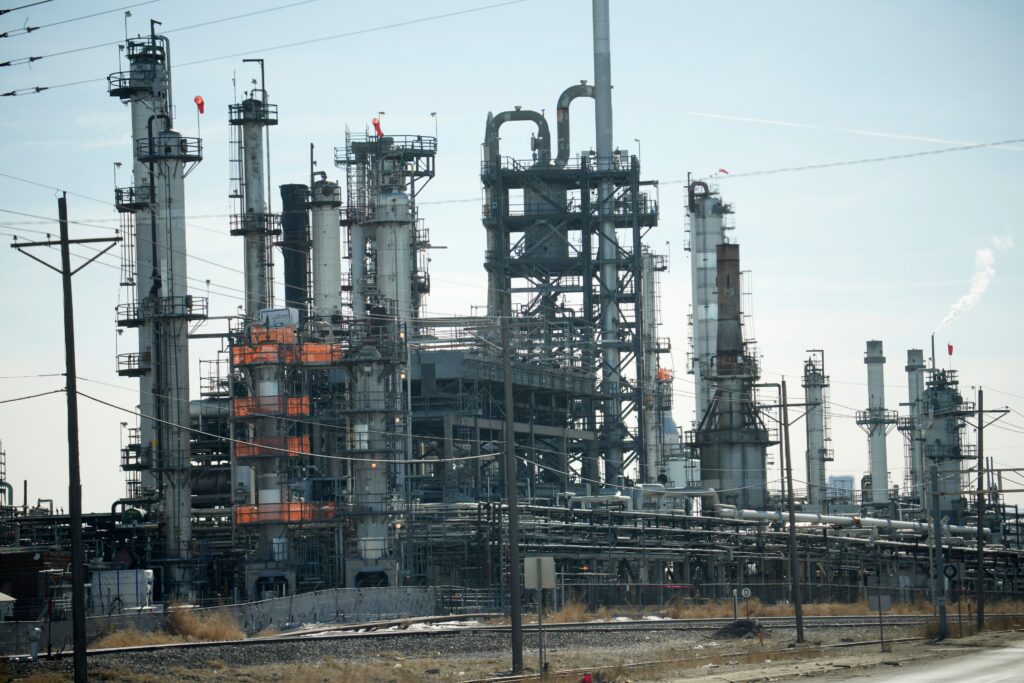
As the world economy grapples with the fallout of the war in Iran, lawfare by American climate activists threatens significant damage to the nation’s domestic energy industry — and with it national security.
In the name of climate leadership, states are passing laws and filing lawsuits aimed at inflicting massive penalties on energy companies. But in two pending cases, the Supreme Court can establish federal supremacy over energy and climate change policy and beat back local interference in national security.
The Founding Fathers designed the Constitution to prevent states from undermining a unified, national foreign and national security policy. Control over war, treaty, commerce and diplomacy belong to the national government alone. The Supreme Court has repeatedly affirmed that principle and struck down state laws that interfere with the nation’s dealings abroad.
In Suncor v. Boulder County, which the Supreme Court agreed to hear in February, Colorado officials have invoked a sweeping legal theory that would essentially make states the arbiters of international climate policy. The theory states that energy companies are responsible for billions of dollars in damages because they supposedly concealed the link between fossil fuel use and greenhouse gas emissions all over the world.
The supreme courts of Colorado and Hawaii allowed these lawsuits to move forward, while the Maryland Supreme Court did not. Now, the U.S. Supreme Court is poised to rule on whether the state laws allowing these lawsuits violate federal supremacy on interstate commerce and foreign affairs.
But before the justices hear Suncor, they will decide another case with similar implications. Argued in January, Chevron v. Plaquemines Parish asks whether local officials in Louisiana and their Republican governor can sue companies for supposedly causing coastal land loss while fulfilling a federal contract. Together, Suncor and Plaquemines will test whether the Constitution precludes states from undercutting American energy diplomacy.
Lawsuits are not the only efforts at strategic self-sabotage under the guise of climate leadership. New York and Vermont have passed climate “superfund” laws that impose retroactive damages for past greenhouse gas emissions. Missing is any credit to energy companies for the human flourishing made possible by modern fuels, from the vast increase in global food supplies to the productivity gains resulting from widespread home electricity.
Instead, these laws impose financial penalties — often with limited due process — based on extreme environmentalist theories that make activist local governments the regulators of global energy markets.
Abundant, affordable domestic energy, however, is as vital to future warfare as the oil that fueled President Franklin D. Roosevelt’s arsenal of democracy. Cheap energy today fuels the forces confronting Iran while enabling American dominance of key industries of the future, such as precision weapons, advanced satellites, space operations and artificial intelligence. A state that punishes domestic energy producers for the usage of their products around the world is not merely regulating industry, it is making national security policy for the entire country.
A victory for the plaintiffs would impose a de facto carbon tax on U.S. exports and raise the cost of energy shipped to allies while leaving adversaries untouched. That affects every American. Louisiana’s land-loss suits follow the same playbook by substituting retroactive tort claims for energy regulation.
Both efforts should fail.
As the court put it in Zivotofsky v. Kerry, the nation must “speak with one voice” when it comes to foreign affairs. When a state imposes penalties on the energy industry for climate change, it is invading the province of the federal government to decide whether the benefits of greater energy production to our national economy, defense capabilities and foreign policy outweigh the alleged cost of increasing global temperatures.
The justices should end the environmental lawfare at issue in Suncor and Plaquemines. State laws that impose these climate change penalties on energy companies should be preempted, and governors who value national strength must stop treating energy producers as enemies. In a world of war, America’s first duty is keeping its lights on.
The post Activist local governments should not be regulators of energy markets appeared first on Washington Post.