This is an edition of The Atlantic Daily, a newsletter that guides you through the biggest stories of the day, helps you discover new ideas, and recommends the best in culture. Sign up for it here.
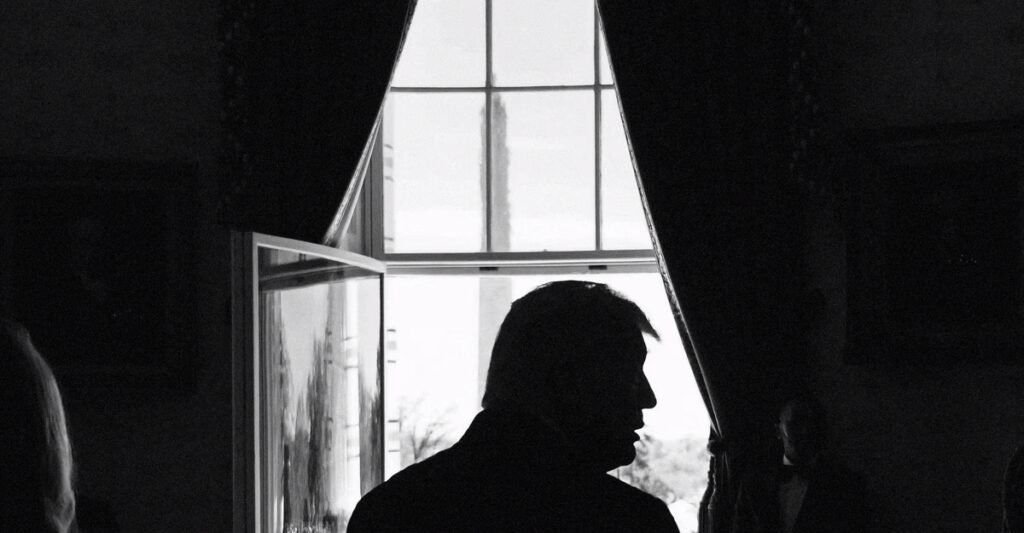
In an earlier, somewhat more innocent era of Donald Trump’s social-media posting, one could still chuckle darkly at his 2017 declaration that his approach “is not Presidential – it’s MODERN DAY PRESIDENTIAL.” But as the war in Iran bogs down, his communication has far surpassed the merely bizarre and become entirely unhinged. When Trump feels cornered, I have written, he lashes out most fiercely—which might explain the wild statements and actions emanating from the White House over the past few days.
The nadir (for now) was an Easter-morning Truth Social missive in which Trump threatened that “Tuesday will be Power Plant Day, and Bridge Day, all wrapped up in one, in Iran. There will be nothing like it!!! Open the Fuckin’ Strait, you crazy bastards, or you’ll be living in Hell – JUST WATCH! Praise be to Allah.”
Trump reiterated the threat during a press conference this afternoon, saying, “The entire country could be taken out in one night, and that night might be tomorrow night.” Targeting civilian infrastructure such as power plants and bridges is likely illegal. Trump would not be the first U.S. president to flout international law, but he would be the first to advertise it ahead of time on a social-media site he owns. The threat is also strategically dubious. Installing a more pro-American regime in Tehran would require the existence of some authority that is both able to govern and willing to work with Washington; these sorts of strikes, or even threats, make that less likely. (Trump insisted that he’s heard pleas from inside Iran to continue bombing.) And using the threat of martyrdom to scare the religious zealots currently in charge seems possibly counterproductive.
Topping that post will be hard, but this morning the president tried. In a vague and threatening new post, he shared a short clip of a crowd of shoppers—most of whom were people of color, some of whom wore hijab. They were minding their own business and indulging in the quintessentially modern, capitalist American pastime of hanging out at what appears to be Minnesota’s Mall of America, soundtracked with Gary Jules’s rendition of “Mad World” from the Donnie Darko soundtrack.
These outbursts come as the administration finds that military might alone is not enough to win a war. Trump is now threatening to attack civilian infrastructure, because nothing else has forced the Iranian government to buckle. At the start of the war, he seemed to be feeling smug, emboldened by his quick success in Venezuela, but any sense of joy has evaporated fast. Last week, the president delivered a White House address in which he could have attempted to either deescalate the war or else define what victory would look like. Instead, as my colleague Tom Nichols wrote, Trump did neither.
American wars in the Middle East have backfired before, but the negative effects of this one have become apparent at record speed. American and Israeli strikes have killed many top Iranian figures, but the regime remains ensconced—and its control of the Strait of Hormuz suggests that Iran may actually be in a strategically stronger position than at the start of the war. (Iranian leaders today rejected a proposal for a cease-fire.) The U.S. military is burning through ammunition reserves. The likely next step, Thomas Wright argued in The Atlantic last week, is a ground war.
A frantic search for an airman shot down in an F-15E inside Iran ended happily yesterday, with a rescue. But the operation resulted in the destruction of two MC-130J transport planes and some MH-6 helicopters, in addition to an A-10 shot down separately—an expensive tab, especially given that the Trump administration claimed to have destroyed Iran’s air defenses.
These setbacks might have instilled humility in other presidents, but they have instead led Trump to lash out. His frustration may even be leading him to imagine things. Last month, he claimed that a former president had privately expressed regret about not striking Iran. This seems unlikely. Trump said the predecessor was not George W. Bush, and the other three living presidents—the Democrats Bill Clinton, Barack Obama, and Joe Biden—have all had public acrimony with Trump; The New York Times reported that people close to all three denied they had spoken with him recently. This makes Trump’s claim reminiscent of a different former president: Richard Nixon, who had paranoid conversations with portraits on the White House walls as his presidency collapsed.
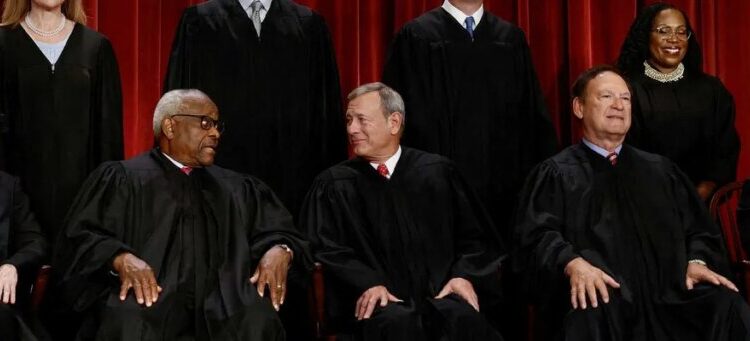
The frenzy is seeping into other areas of the administration too. Embattled Defense Secretary Pete Hegseth fired the Army chief of staff and top chaplain (among others) in the midst of an active war. Trump fired Attorney General Pam Bondi last week, just after attending a Supreme Court argument in which justices whom he appointed expressed skepticism about the outré claims that Bondi’s Justice Department lawyers were forced to make in defense of Trump’s attempt to end birthright citizenship.
The president’s behavior usually calms down slightly when he no longer feels cornered. Predicting when that might happen is challenging. Trump has shown he has no good answer for exiting the conflict with Iran, and even if he does, he may find—with apologies to Trotsky—that although he may no longer be interested in war, war remains interested in him. The American and global economies appear shaky. Each week brings new polling that suggests a poor result for Republicans in the midterm elections. Trump may be in for a long stretch in the corner, which means a rough ride for everyone else.
Related:
Here are four new stories from The Atlantic:
- Trump is putting America’s weaknesses on display.
- Venezuela seems to be going … well?
- What happened after a teacher ditched screens
- She testified about being raped. Then ICE showed up.
Today’s News
- President Trump said at a White House news conference that the U.S. jet downed over Iran was hit by a shoulder-fired missile, as he detailed the weekend rescue of an American airman. He also warned Iran that it could face strikes on key infrastructure if it fails to meet a Tuesday deadline.
- Iran rejected a U.S.-backed 45-day cease-fire proposal tied to reopening the Strait of Hormuz and put forth a permanent counteroffer that Trump said was “not good enough,” though it was “a significant step.”
- Four astronauts aboard NASA’s Artemis II mission traveled farther from Earth than any humans had in history and are set to pass behind the moon later today.
Dispatches
- The Wonder Reader: Rafaela Jinich explores why some people have become so averse to hype.
Explore all of our newsletters here.
Evening Read
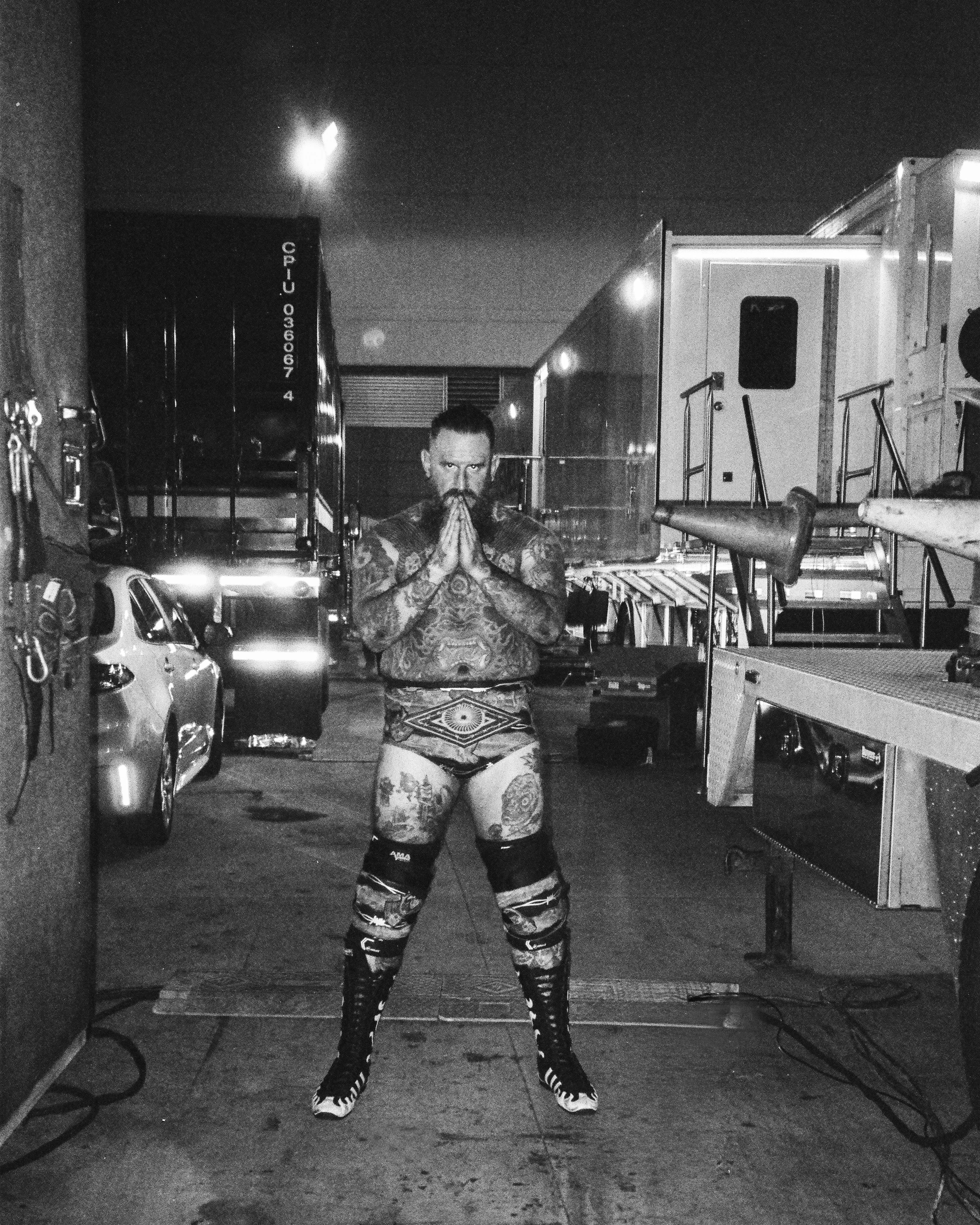
Wrestling’s Newest Star Is Massive, Bearded, and Ready to Piledrive ICE
By Jeremy Gordon
If you attend a pro-wrestling show, the first thing you’ll notice is that most of the fans are wearing a T-shirt of their favorite wrestler. On March 25, the hallways of the Roy Wilkins Auditorium in St. Paul, Minnesota, resembled an informal straw poll about All Elite Wrestling (AEW), one of the largest wrestling companies in the United States. Most of the night’s advertised talent—names such as Swerve Strickland, Kenny Omega, Orange Cassidy, Darby Allin, Thekla—were represented on the assembled torsos, allowing one to instantly clock the crowd’s favorites.
But plenty of shirts were worn in support of a wrestler who wasn’t on the evening’s schedule: Brody King. The performer, whose given name is Nathan Blauvelt, is an imposing man, billed at 6 foot 5 and close to 300 pounds, with a long, scraggly beard and a body covered in gnarly tattoos. You could imagine him bouncing at a motorcycle bar or tossing strangers in a mosh pit. King has been a good guy, and he has been a bad guy, but mostly he’s a tough guy—someone who always seems like a threat.
More From The Atlantic
- The MAGA intellectual who prophesied a Queen Melania
- The man holding MAHA together
- The real intelligence failure in Iran
- What an Ivy League education really gets you
Culture Break
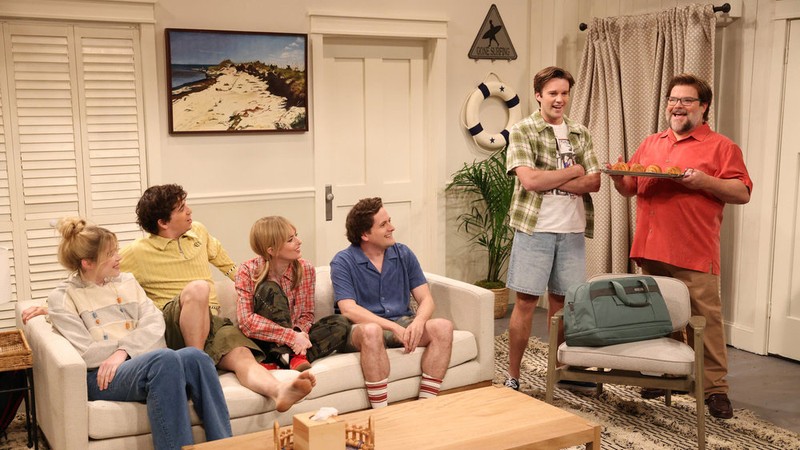
Watch. Last week’s Saturday Night Live episode (streaming on Peacock) captured the nightmare of misunderstanding personal boundaries, Paula Mejía writes.
Reflect. Megan Garber on Savannah Guthrie and the hard truth about true crime.
Rafaela Jinich contributed to this newsletter.
When you buy a book using a link in this newsletter, we receive a commission. Thank you for supporting The Atlantic.
The post What Happens When Trump Feels Cornered appeared first on The Atlantic.