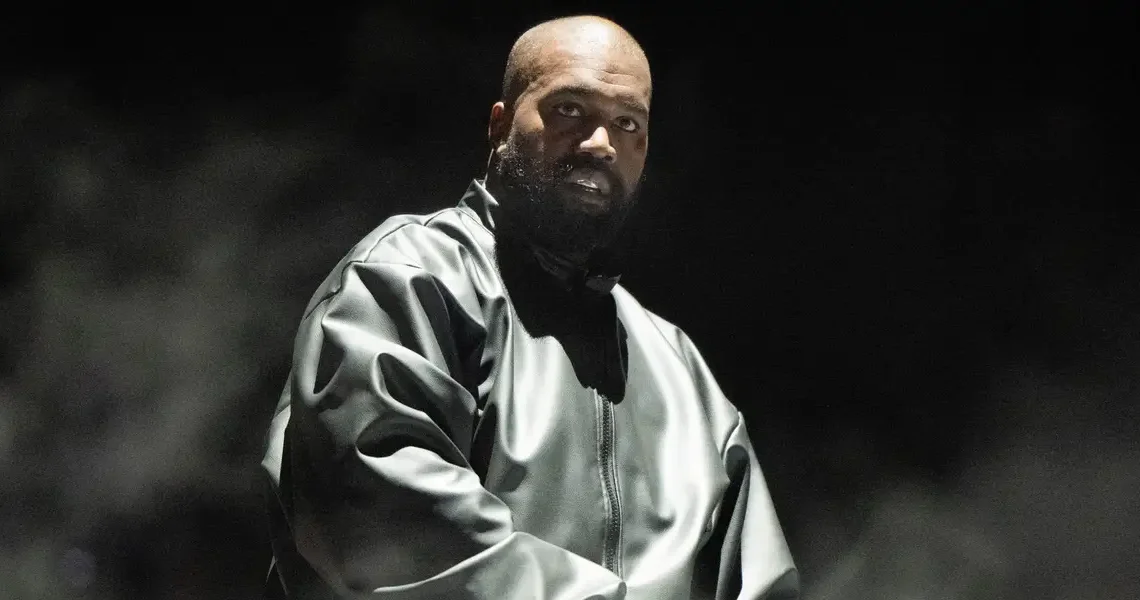
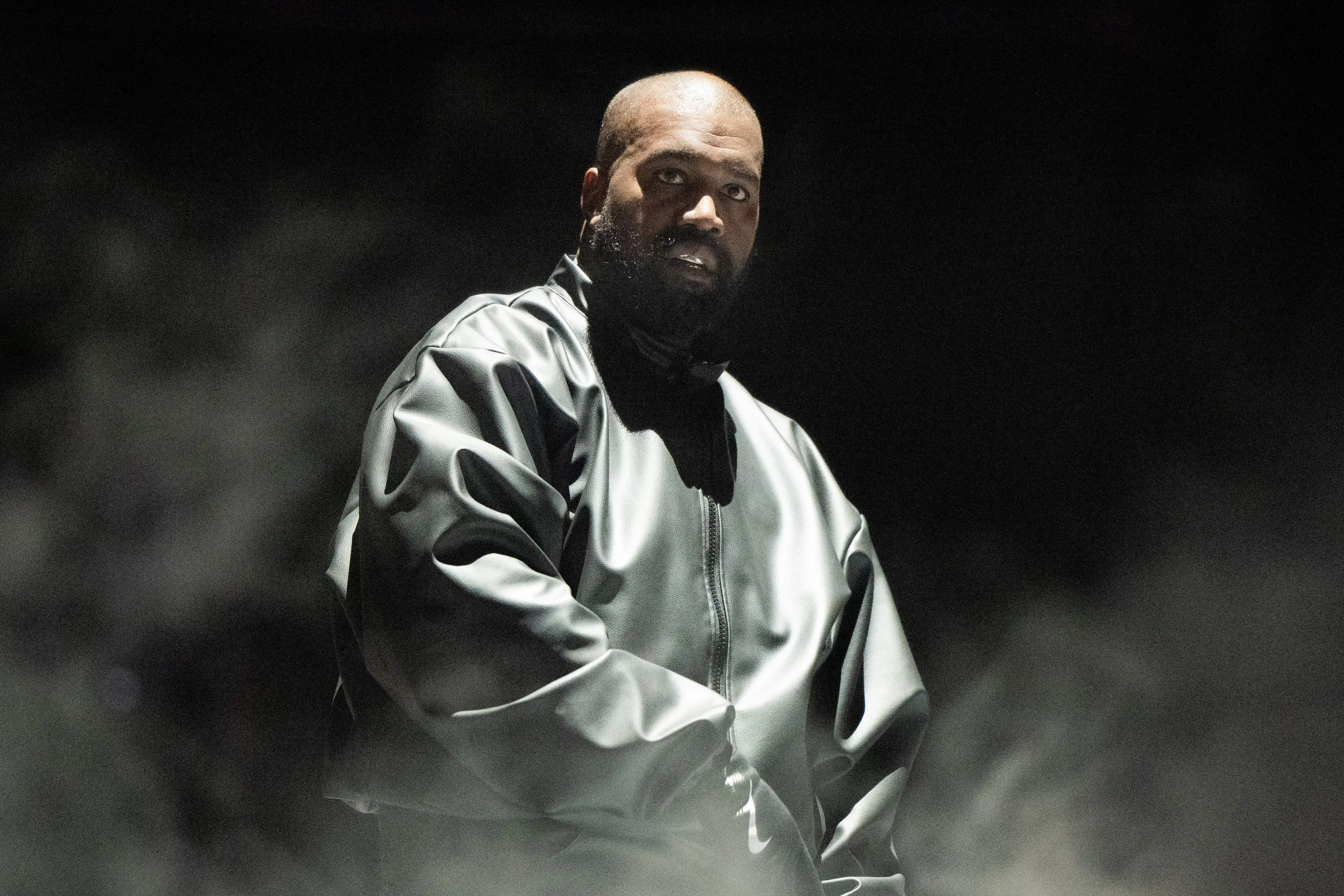
If you’ve only been reading the headlines about Ye over the past few years (Sexual assault allegations! Antisemitic tirades! A shocking number of explicit references to Hitler!) you might assume his career is dead in the water.
But if you were at SoFi Stadium last week during one of his sold-out concerts, you’d have witnessed a man who’s not only dry and alive, but defiantly perched on top of the world.
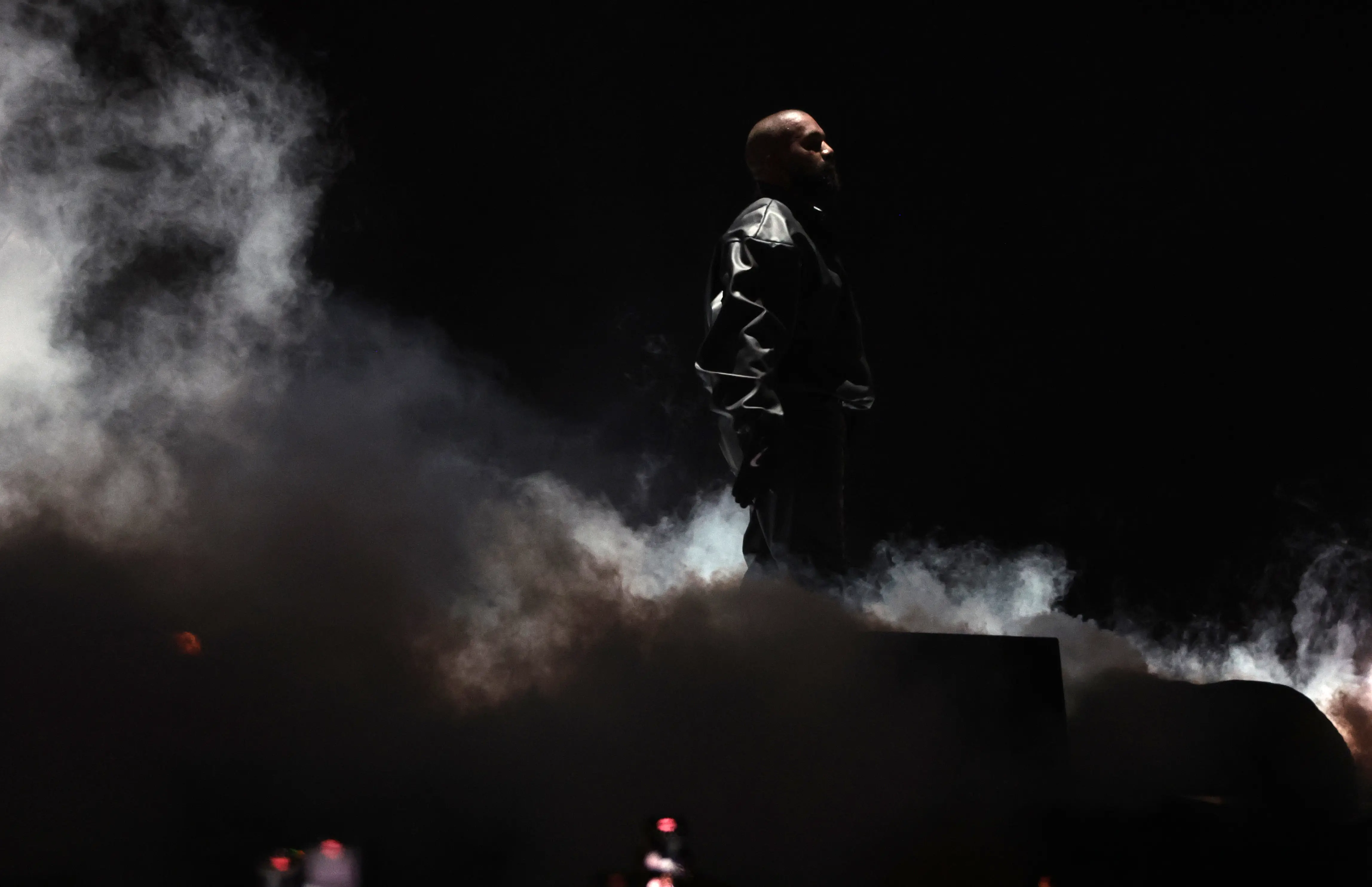
Literally: When the artist formerly known as Kanye West returned to the stage last week to commemorate the release of his album, “Bully,” he performed atop a massive globe-like mound designed to resemble our rotating Earth. The set list was packed with hits from across Ye’s career, from the prophetic noughties single “Can’t Tell Me Nothing” to “Heartless,” “Power,” and newer additions to his catalog. He reportedly grossed $33 million in two nights, breaking a record for the Los Angeles venue.
Ye is hoping to continue that financial success abroad, though he’s already facing institutional resistance. He’s booked to headline all three nights of London’s Wireless Festival in July, which UK Prime Minister Keir Starmer described as “deeply concerning,” citing the rapper’s “antisemitic remarks and celebration of Nazism.” The day after Starmer spoke out, Pepsi withdrew its sponsorship of the event, followed quickly by the beverage company Diageo, which owns brands like Guinness, Ciroc, Captain Morgan, and Johnnie Walker. The British charity Campaign Against Antisemitism has urged the UK government to ban Ye from entering the country.
And yet, Ye’s latest appearances stateside prove that even gatekeepers who wield their ad dollars don’t hold the power they once did in show business. Ye is a multimillion-dollar brand unto himself, and there are hordes of fans who are happy to put money in his pocket, whether by seeing him live or supporting his music. Indeed, “Bully” debuted at No. 2 on the Billboard 200 after selling 56,000 physical copies and amassing over 98 million on-demand streams in its first week. Not bad for a man who seems to generate negative press with every breath.
After decades of controversy, Ye’s fan base isn’t easily spooked
Ye has been flirting with controversy and outrage since his 2004 debut album, and his shift toward right-wing conspiracy theories and gleeful ragebait has been in motion for at least a decade. Now, he’s left with fans who don’t spook so easily. Ye’s brand has long revolved around embracing volatility and ego (or, in his words, “dragon energy”), so when he acts volatile and egocentric, his fans don’t see it as a betrayal.
Much has been made about “cancel culture” and what that phrase truly means — especially in an era of social media marketing and instant feedback, when stars are born on platforms like TikTok, and consumers can choose who becomes a breakout star and who fades into oblivion. If we’re to use Ye as a case study, then true cancellation must come from the fans, or it simply won’t stick. The crowd is louder than the critics.
Read the original article on Business Insider
The post Kanye West’s sold-out comeback shows prove that forgiveness is up to the fans — not the brands appeared first on Business Insider.