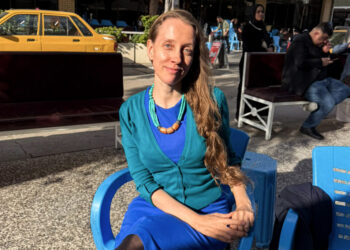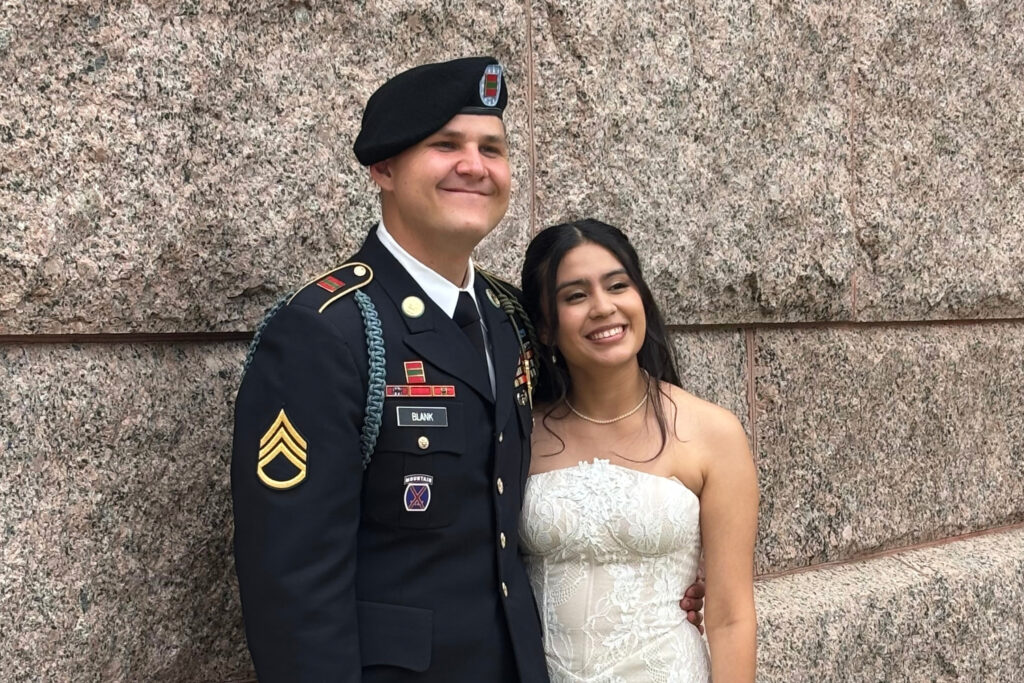
The Trump administration has prioritized quantity over quality in its mass deportation campaign, diverting attention from apprehending hardened criminals to removing people who positively contribute to American society. The case of Annie Ramos is worth looking at closely because it shows the human cost of this misguided approach.
Last week, Ramos, a 22-year-old biochemistry student, arrived at Fort Polk in Louisiana with her husband Matthew Blank, a 23-year-old Army staff sergeant. They came with her Honduran passport and birth certificate to get a military ID and activate her spousal benefits. Instead, she was arrested and is now being held at an Immigration and Customs Enforcement lockup.
Ramos was brought to the United States as an infant, and she did her best to follow the rules as she grew older. Yet she was detained over a 2005 deportation order that was issued in absentia when she was 22-months old.
Ramos applied for the Deferred Action for Childhood Arrivals program in 2020, but her application was never processed. She may have arrived here illegally, but clearly she has lived her life in a way that benefits the country. Ramos teaches Sunday school at her church and was months from getting her degree.
Majorities consistently support offering a pathway to citizenship for children who were brought into the country illegally. Many young “dreamers,” as they’re known, have assimilated as Ramos did. A more functional Congress could find a legislative solution that reflects the established national consensus for cases like this.
After winning in 2024, President Donald Trump said he wanted DACA recipients to stay in the country. But under former DHS Secretary Kristi Noem, DACA recipients were advised to self-deport. Hardliners like Stephen Miller, a deputy White House chief of staff, push the president toward extreme enforcement that undermines support for their broader project.
The Ramos story underscores why so many Americans who support deporting people here illegally are still deeply uncomfortable with the administration’s approach. Trump has gone further than just deporting the “worst of the worst.” Throughout D.C., Maryland and Virginia, for example, the administration has deported nearly 20,000 people since the start of last year. It turns out 60 percent of them had no prior criminal record.
The president recognizes he needs an immigration reset. ICE’s overzealous operations have overshadowed Trump’s success in securing the southern border and the heinous crimes allowed because of far-left “sanctuary” policies.
The moral case for allowing immigrants like Ramos to remain in the country is sufficient, but there are practical reasons too. America’s economy depends on immigrants. An orderly system rewards people who try to play by the rules.
The post A shameful ICE detention of a soldier’s wife appeared first on Washington Post.