When word reached Langley, Va., on Friday that Iran had downed a U.S. military jet and two Air Force officers had ejected into enemy territory, America’s top intelligence officers sprang into action.
While the pilot of the F-15E Strike Eagle was relatively quickly rescued, the U.S. military was unable to locate a second crew member, a weapons systems officer, setting off an urgent race to find him before Iranian forces did.
The C.I.A., which traditionally assists with efforts to rescue American pilots trapped behind enemy lines, developed a deception plan to buy time to find the airman by keeping the Iranians away from where he might be, according to a senior administration official. The official and others spoke under the condition of anonymity to discuss a sensitive rescue operation and intelligence collection.
While U.S. officials did not initially know exactly where the weapons officer was, they knew he had moved from where his ejection seat had hit the ground. They also knew he was injured, adding to the urgency of the search.
While it is unclear exactly what the deception plan involved or how successful it was precisely, the C.I.A. campaign aimed to spread word in Iran that the airman had been found and was moving out of the country in a ground convoy. The hope was that the Iranians would shift their search efforts from the place where the airman was thought to be, to the roads out of the region.
The C.I.A.’s operation did appear to cause confusion and uncertainty among the Iranian forces hunting for the airman, according to a senior administration official.
The airman evaded Iranian forces for more than 24 hours, eventually hiking up a 7,000-foot ridgeline and hiding in a crevice.
All Air Force fighter pilots and weapons officers are equipped with a beacon and a secure communication device for coordinating with rescuers. But airmen are trained not to signal their location constantly, and restrict the use of the beacon, in case enemy forces can also track its location.
A senior administration official declined to describe exactly what piece of technology the C.I.A. had used to locate the airman but said the equipment used was unique to the agency.
As soon as he was found, the agency passed the information to the Pentagon and White House, which enacted their specific plan to extract the officer from his hiding spot, an operation that involved hundreds of special operations troops and other military personnel.
The U.S. military began dropping bombs in the area to keep away Iranian forces. As U.S. commandos moved to where the downed airman was hiding, they fired their weapons to keep Iranian forces away from the rescue site, but did not have to engage in a direct firefight with the Iranians, a U.S. military official said, a possible sign that the deception campaign had lured away at least some of the Iranian forces hunting for him.
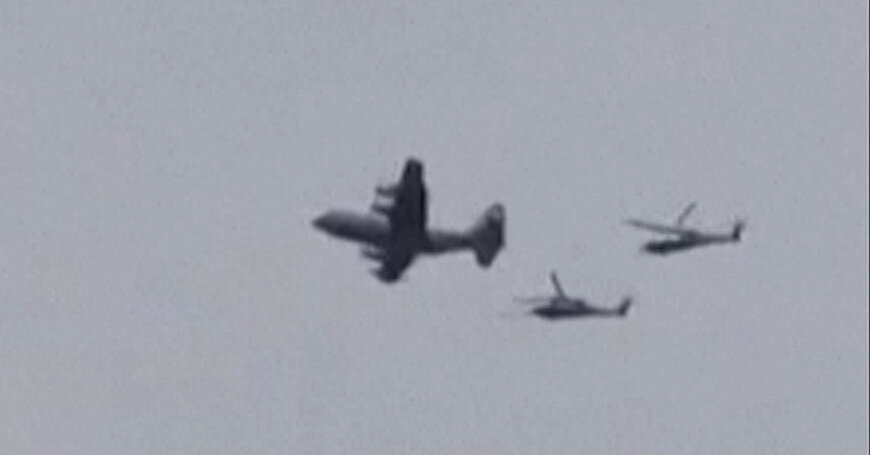
Rescue planes then flew the injured airman to Kuwait for medical treatment.
Julian E. Barnes covers the U.S. intelligence agencies and international security matters for The Times. He has written about security issues for more than two decades.
The post How the C.I.A. Helped Locate a U.S. Airman Hiding on an Iranian Ridgeline appeared first on New York Times.