
The Artemis II spacesuits are colored bright orange as a basic safety measure intended to make the astronauts highly visible if they need to be rescued in an emergency — a scenario that has arisen before.
The bright color is known as “international orange,” and has been worn by astronauts during all space launches and re-entries since the shuttle flew in 1981.

Those are the only times during a spaceflight when astronauts would be bailing out with any hope of being rescued on Earth — and the orange color is designed to be highly visible to search crews flying overhead, especially if astronauts are left flailing in the ocean after a bailout.
The Artemis suits also have a series of bright blue cross straps intended to give rescuers easy and visible points to grab onto in the event of an emergency.
Such situations are unlikely, but not unheard of.
The United States’ second manned spaceflight ever — 1961’s flight of the Liberty Bell 7 rocket during Project Mercury — nearly ended in disaster when the capsule’s hatch blew open after splashdown, and astronaut Gus Grissom was left flailing in the water as his capsule sank.
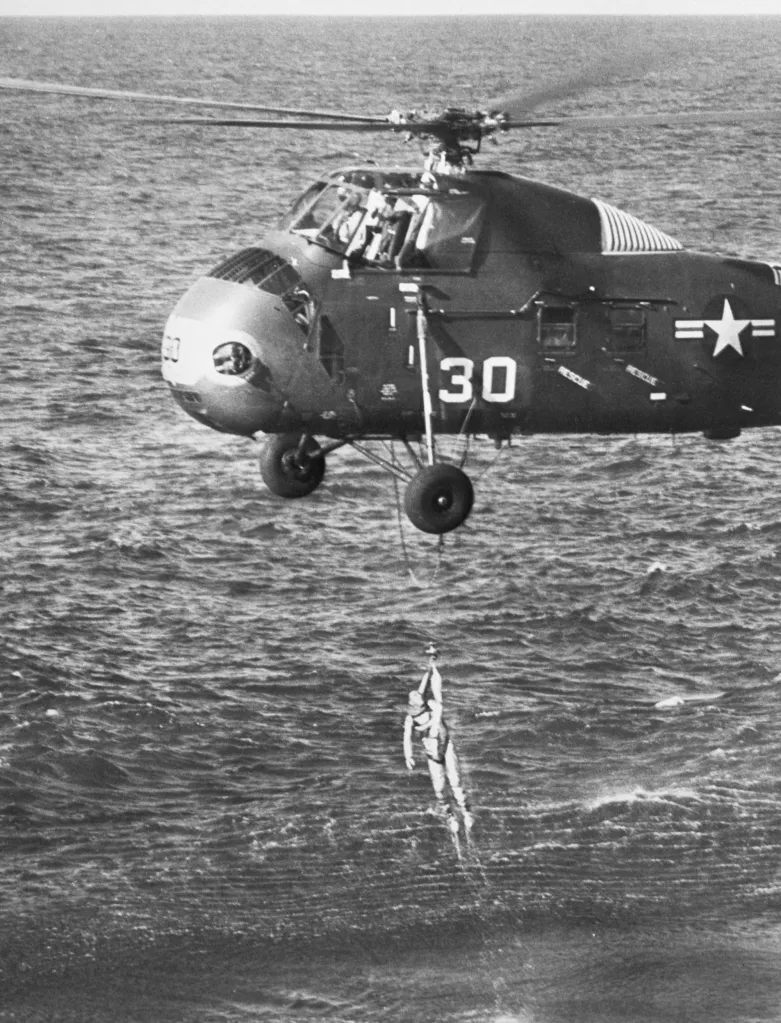

Grissom nearly drowned as he waited to be rescued from the water by a helicopter.
He wasn’t wearing an orange suit at the time — he had on a silver pressure suit of the kind test pilots flying high-altitude planes like the X-15 wore, and which later spacesuits were derived from — but orange suits were rolled out for Air Force pilots a decade later, and then adopted by NASA for the shuttle missions about 10 years after that.
Water rescues are the most likely situation astronauts face — as all flights launch by the coast and return with ocean splashdowns — but crews are typically equipped to deal with survival and rescue situations in any tropical or desert environment, as missions typically return along the Earth’s equator.
Apollo and Gemini astronauts trained for those possibilities with survival training trips in the Panama jungles and Nevada deserts — bringing along only what survival tools they’d have onboard their spacecraft, including bright orange clothing and parachutes.
The Artemis suits are similarly equipped for survival — their myriad pockets are stuffed with food, a knife and flotation device, signal mirrors and basic survival supplies.

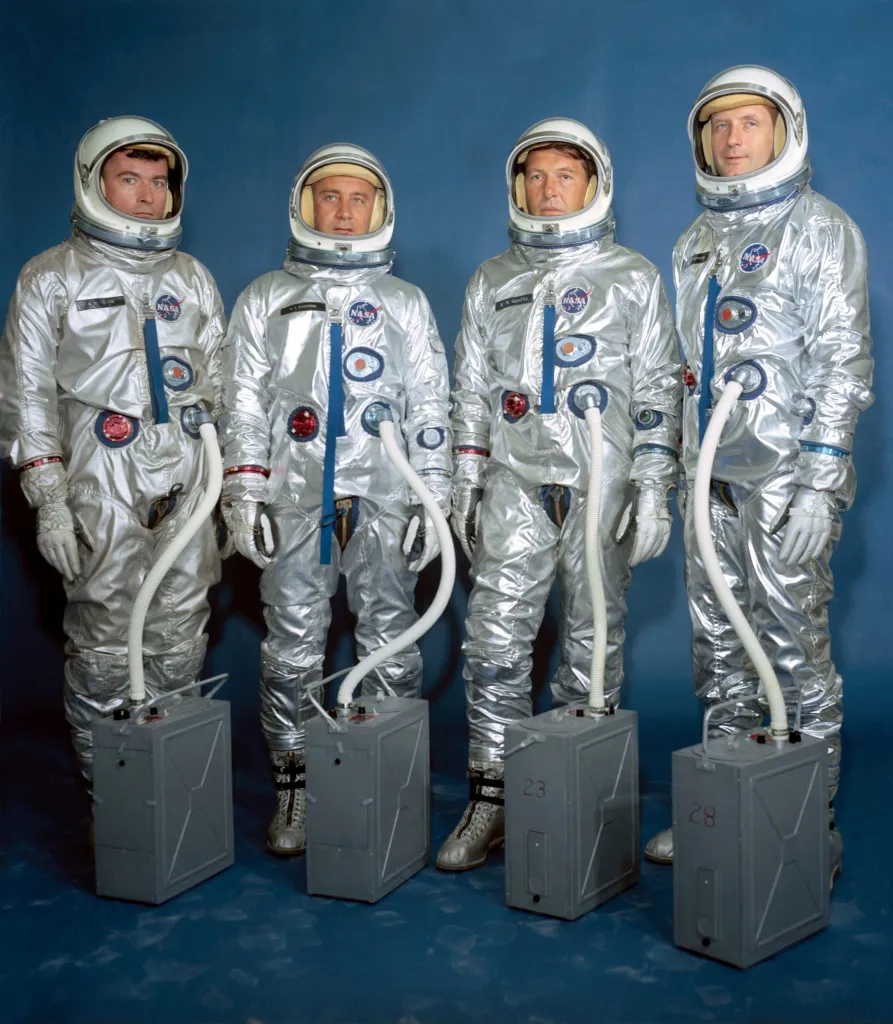
They also have communications systems, a liquid cooling system and are flame resistant.
And while the first orange suits worn by NASA had basic small, medium and large sizes — earning them the shapeless nickname “pumpkin suits” — the Artemis suits were custom built to fit each astronaut.
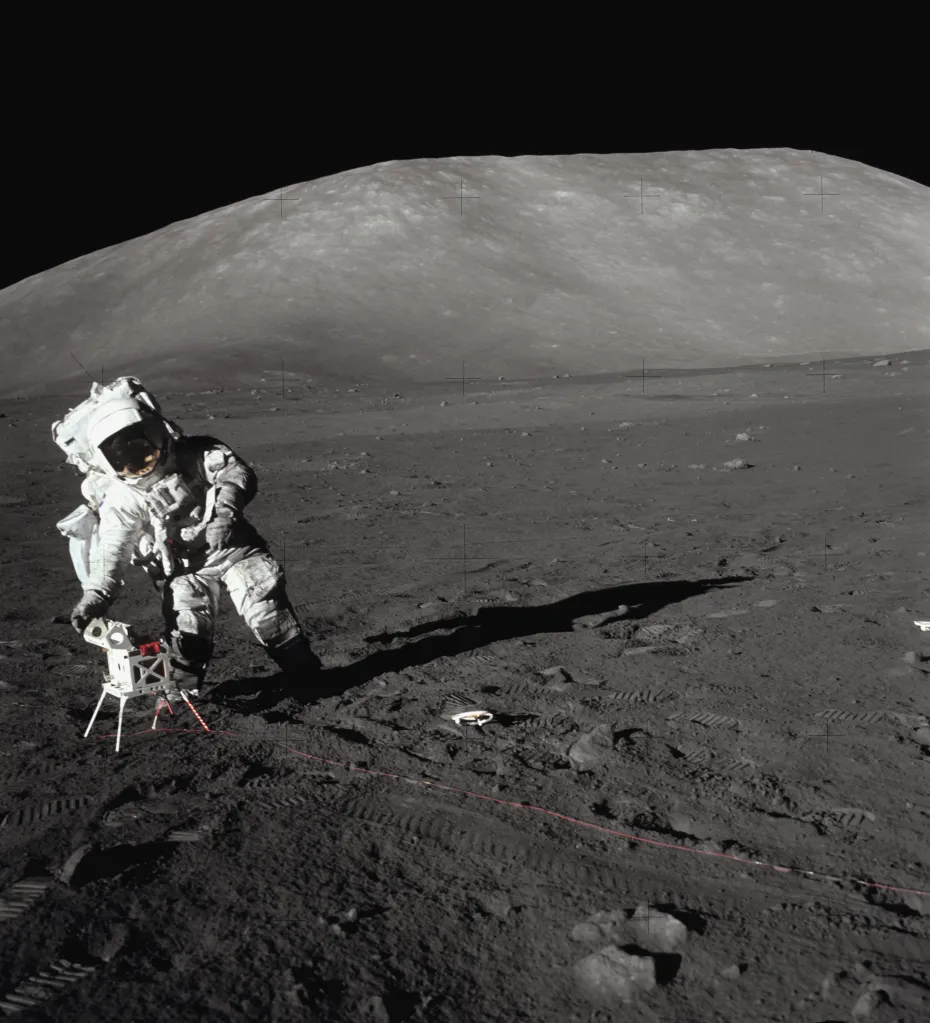
The days of the iconic white spacesuit, however, are not gone just yet — astronauts still wear them whenever they leave their ships in space, and will wear them the next time they walk on the moon in 2028 if NASA’s schedule holds.
White is chosen for two reasons: it reflects radiation and keeps astronauts cool, and is also highly visible against the blackness of space.
The post Why the Artemis II spacesuits are orange appeared first on New York Post.