Last week, OpenAI was dumping side quests: Out went Sora, its once-hyped video app. Plans to launch erotic chats were mothballed.
That was then. This week, OpenAI has become a media company, by buying TBPN, the very buzzy tech-business internet talk show with a small but influential audience.
Nope, not an April Fool’s joke. Though that reaction to the news was widespread and understandable.
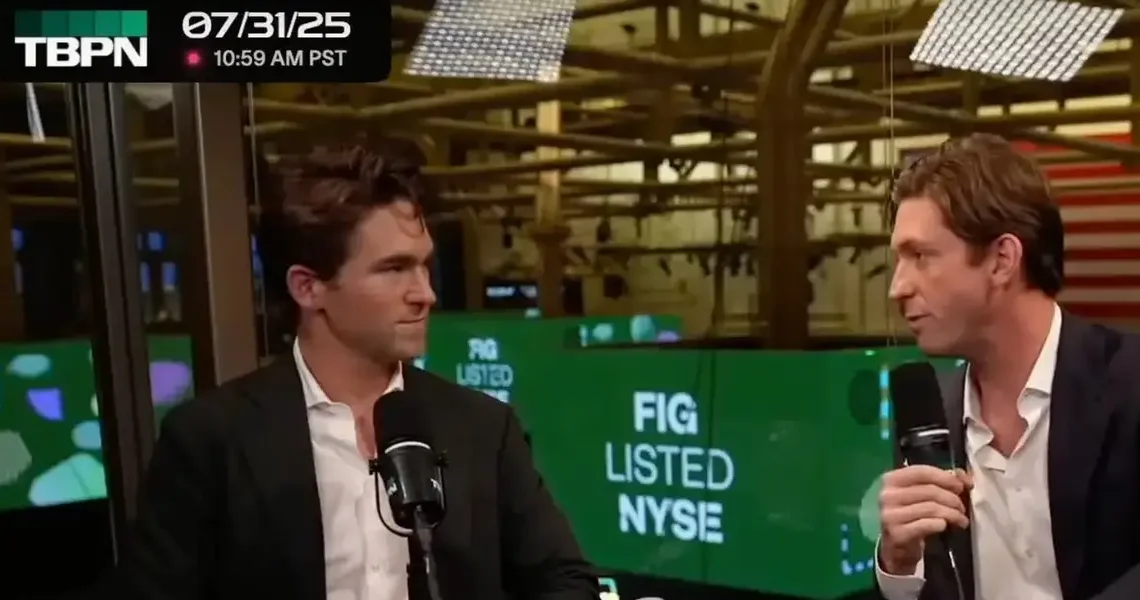
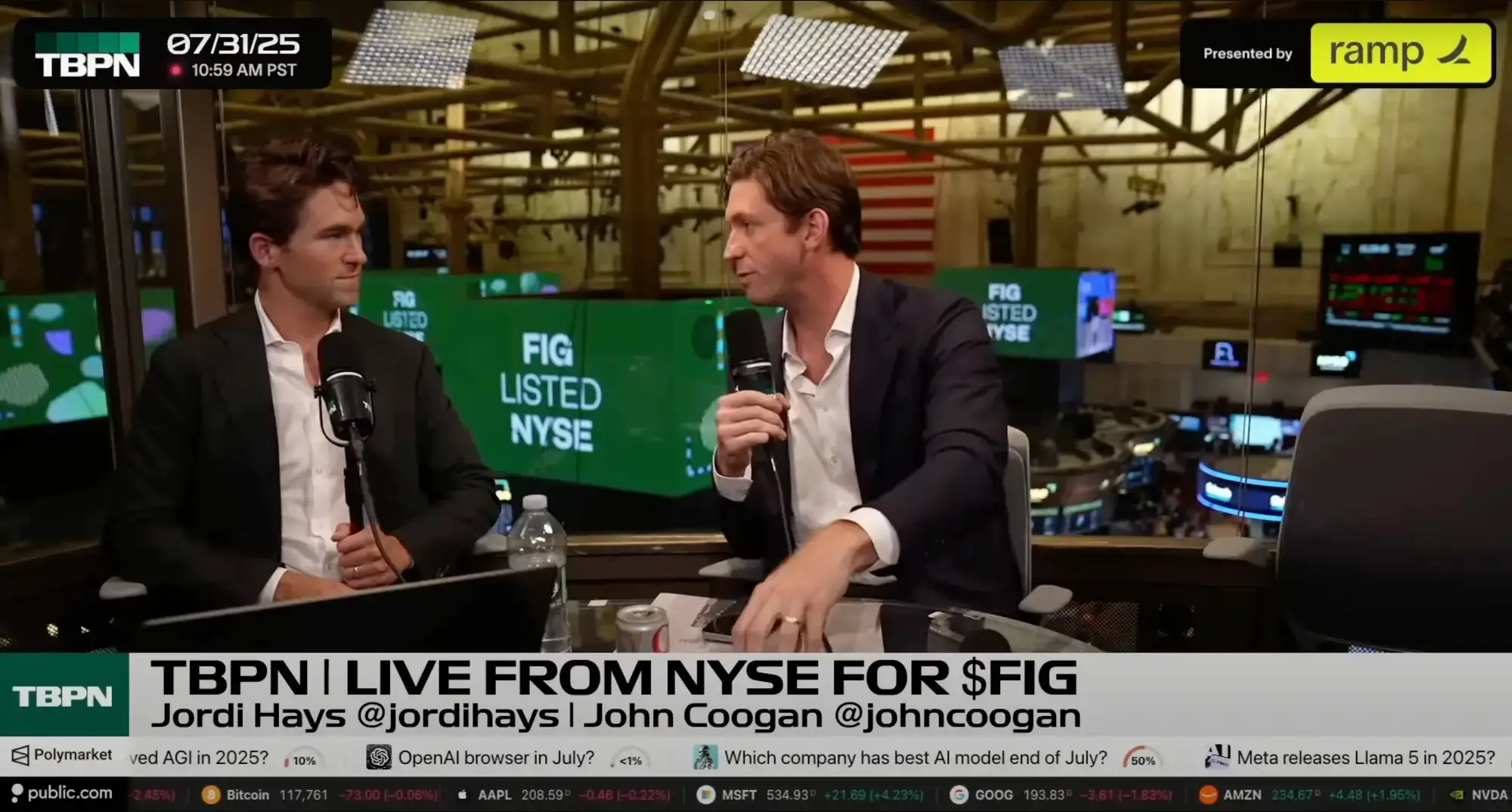
“April Fools was yesterday,” TBPN cofounder and cohost John Coogan told the thousands of viewers who tuned in to TBPN’s live show, minutes after the acquisition was announced. “This is real. This is a very interesting deal.”
It is also a deal that is causing all kinds of head-scratching in media and tech circles: Why did Coogan and cofounder Jordi Hays, who have been surfing an enormous wave of positive buzz over the last year, sell so early? And why would Sam Altman’s company buy a nascent media business when it is supposedly laser-focused on its core business of selling AI to consumers and businesses?
Look. Maybe it’s possible there’s some red string/4d chess/game theory going on here, and we’ll learn about the true backstory down the road.
But I think this one is going to be just what it looks like:
Coogan and Hays sold now, just as they were starting to build a real advertising business, because building a real advertising business is hard. And selling to OpenAI means they never have to worry about it again.
And OpenAI bought TBPN because it can. Unlike projects like Sora, running an internet talk show doesn’t require precious compute or other resources. Unlike hosting spicy chats for adults, TBPN is very unlikely to generate regulatory, political, or brand blowback. And no matter what OpenAI is paying the TBPN guys — “low hundreds of millions,” the Financial Times reports, citing a person familiar with the matter, and that number doesn’t shock me — it will not amount to rounding error on a rounding error for a company that just raised $122 billion, and is already worth more than $850 billion.
Again: Maybe there’s some galaxy-brained, super strategy here that will unveil itself someday. But details in the announcement certainly suggest that this is pretty straightforward.
For starters: The $30 million a year that TBPN said it was going to generate from ads this year would never, ever be meaningful to OpenAI’s P&L ambitions, which call for $280 billion in revenue by 2030. And now that OpenAI is buying TBPN, the startup says it will be getting out of the ad business altogether.
Equally important: OpenAI exec Fidji Simo’s post announcing the deal praises Coogan and Hays’ “amazing comms and marketing instincts,” and says they’ll be reporting to Chris Lehane, the company’s well-connected policy and strategy boss.
So I wouldn’t call this an acquhire, since Coogan and Hays say they’ll continue to produce new three-hour TBPN episodes every weekday, as they have been doing for a couple of years.
But it sure seems like OpenAI bought TBPN because they like the idea of owning a talk show that’s consistently upbeat about the tech business in general and AI specifically. And because they think the two guys who host that show would be useful assets when it comes to communicating with the outside world. Maybe they’d be good to get in front of skeptical regulators. Or advertisers. Or both.
Two other quick notes:
Yes, it’s weird for one of the world’s leading tech companies to buy a company that does tech news. But as Coogan and Hays took pains to underline when they told their viewers about the deal, they’re not interested in breaking or uncovering news, but talking about what’s in the news.
Just as important: They’re not terribly interested in being critical about any of the people or companies they cover: TBPN is a show that gives tech executives and investors a chance to deliver whatever message they’d like to other tech executives and investors. That’s a core reason they’re able to land interviews with the likes of Palantir CEO Alex Karp, and why Meta let them set up a broadcast set on its Menlo Park campus last year, so they could interview Mark Zuckerberg and his executives after a company event.
The TBPN guys say they have editorial independence from their new owners written into their new contract. But I’d be surprised if TBPN ever causes much heartache for their new bosses — at least while the tech and AI markets are going up, up, up: Powerful tech people go on TBPN because other powerful tech people appear on TBPN. As long as that flywheel keeps running, everyone will be happy.
TBPN’s fast ascent is also another vote for people who think live-streaming is the media format of the future. While TBPN, like many other streaming shows, doesn’t command a huge live audience, the format gives them three hours of content they can then slice up and shoot out in shareable bites, all over the internet. Taking a big piece of content and cutting it into little ones that you can spray onto different platforms is not a new idea, at all. But there are definitely lots of media people who are newly interested in it. Now we’ll see even more.
And if you’re dying to consume more about TBPN, I’ve got you covered, via this September 2025 conversation I had with Coogan on my Channels podcast. I think it gives you a pretty good sense of the show’s appeal — Coogan is, not surprisingly, a very good talker. And it’s a window into the way he and Hays were thinking about building things not very long ago — before Sam Altman made them an offer they didn’t refuse.
Read the original article on Business Insider
The post The OpenAI/TBPN deal is a shocker that makes sense appeared first on Business Insider.