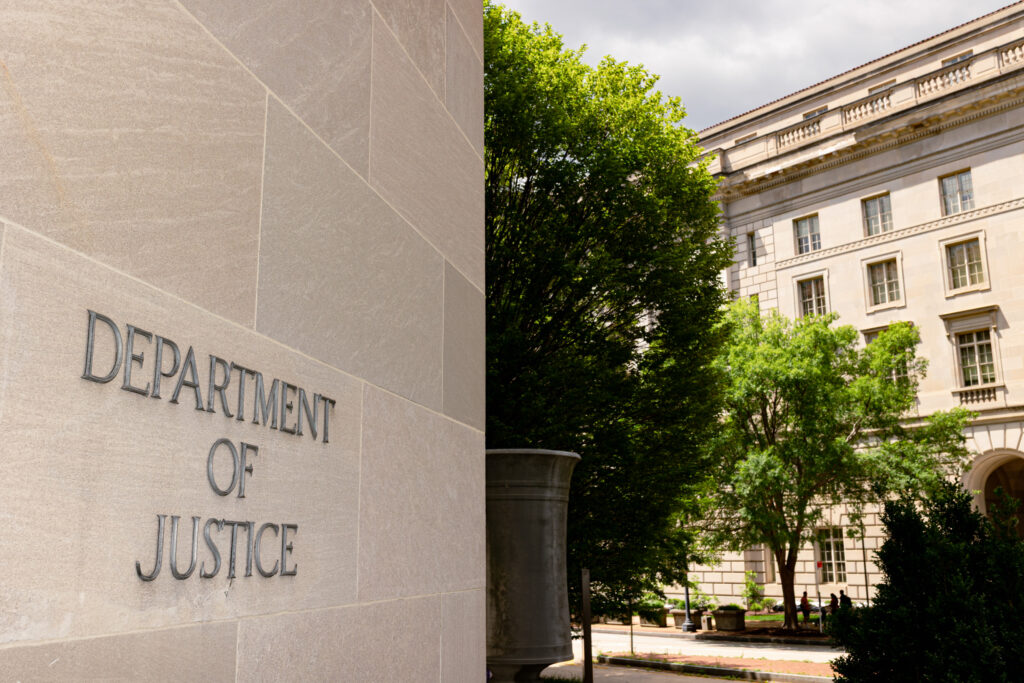
The Justice Department has concluded that a federal law requiring the preservation of presidential records is unconstitutional, which could effectively permit White House lawyers to try to set their own voluntary presidential recordkeeping policy and, potentially, upend decades-old legal precedent established in response to Richard M. Nixon’s effort to keep control of records upon his resignation from the Oval Office.
The Justice Department’s Office of Legal Counsel — which is tasked with serving as a legal adviser to the U.S. attorney general and the executive branch — issued an opinion this week finding that the law, known as the Presidential Records Act of 1978, exceeds “Congress’s enumerated and implied powers, and it aggrandizes the Legislative Branch at the Expense of the constitutional independence and autonomy of the Executive.”
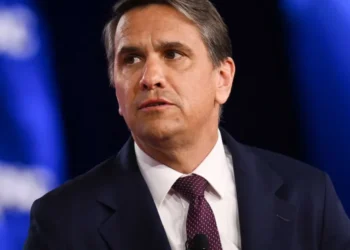
“The PRA is not a valid exercise of Congress’s Article I authority and unconstitutionally intrudes on the independence and autonomy of the President guaranteed by Article II,” states the memorandum opinion, which was signed by T. Elliot Gaiser, a Trump appointee.
“The Act establishes a permanent and burdensome regime of congressional regulation of the Presidency untethered from any valid and identifiable legislative purpose,” the opinion continues. “For these reasons, the PRA is unconstitutional, and the President need not further comply with its dictates.”
The slip opinion from the OLC, which is overseen by Gaiser, could allow the White House to set its own guidance on presidential record collection outside the parameters of the PRA.
However, the opinion does not necessarily carry legal weight. To change the law, the Justice Department would either have to file a lawsuit or compel Congress to change it.
It’s unclear, so far, whether the Trump administration plans to pursue either option. But President Donald Trump is no stranger to the Nixon-era law. When he faced an indictment over allegedly mishandling classified materials, Trump tried citing the law as part of his defense.
Abigail Jackson, a White House spokeswoman, said in a statement to The Post that Trump “is committed to preserving records from his historic Administration and he will maintain a rigorous records retention program.”
“All [Executive Office of the President] staff must undertake records training so they properly preserve all materials related to: the performance of their duties for historical value, the administrative record of policy decisions and actions, and litigation needs,” Jackson said. “The President will also retain the program currently in place for electronic records — emails and documents cannot be deleted from the White House system.”
The Justice Department declined to comment.
The PRA was passed in 1978 amid a struggle between Congress and former president Nixon over his effort to keep control over millions of documents and White House tapes that exposed the Watergate scandal.
The law requires presidents to preserve official records during their time in office. It says that records from a presidency are public property and do not belong to the president or the White House team. Violating the records act would be a civil, not a criminal, offense.
Jason R. Baron, a University of Maryland professor focused on the intersection of archives and the law, said that the result of the OLC opinion is that “this White House has carte blanche to do anything it wishes with its records starting now” and “millions of White House records may never be made accessible to the American people.”
“The OLC opinion talks about congressional action in the wake of Richard Nixon’s abuses of power, but nowhere mentions how Donald Trump previously has acted with respect to White House records, including taking classified records to his personal residence for self-interested reasons,” said Baron, a former director of litigation at the National Archives and Records Administration.
Trump unsuccessfully sought to wield a provision of the law, which allows presidents to maintain control of files designated as personal, as a cornerstone of his defense as he faced charges over his alleged retention and mishandling of classified documents after his first term.
He had been accused of taking boxes of records — some of which included sensitive national security material — with him to his Mar-a-Lago estate while leaving the White House in 2021.
The judge overseeing the classified documents case, Trump appointee Aileen M. Cannon, initially rejected Trump’s request to dismiss the charges based on that claim of personal privilege. She noted the case did not charge Trump with violating the Presidential Records Act, but with illegally retaining national defense information under provisions of the Espionage Act, which governs access to classified material.
Still, Cannon later requested that attorneys on both sides of the case submit jury instructions that referenced the rights of presidents under the records act, drawing a sharp rebuke from then-special counsel Jack Smith, who argued that her order assumed there was some merit to Trump’s claims.
Ultimately, Cannon dismissed the classified documents case in 2024, before deciding on jury instructions in the case, citing issues with Smith’s appointment.
Gaiser, who was confirmed by the Senate to his role leading the OLC last year, has played an influential role outlining the legal justifications for controversial actions by the Trump administration.
He told Congressthat the administration did not need the approval of lawmakers to continue its lethal strikes against alleged drug traffickers in Latin America. Gaiser also wrotethat the United States could forcibly take Venezuelan dictator Nicolás Maduro.
Perry Stein and Dan Diamond contributed to this report.
The post Justice Dept. says the Presidential Records Act is ‘unconstitutional’ appeared first on Washington Post.