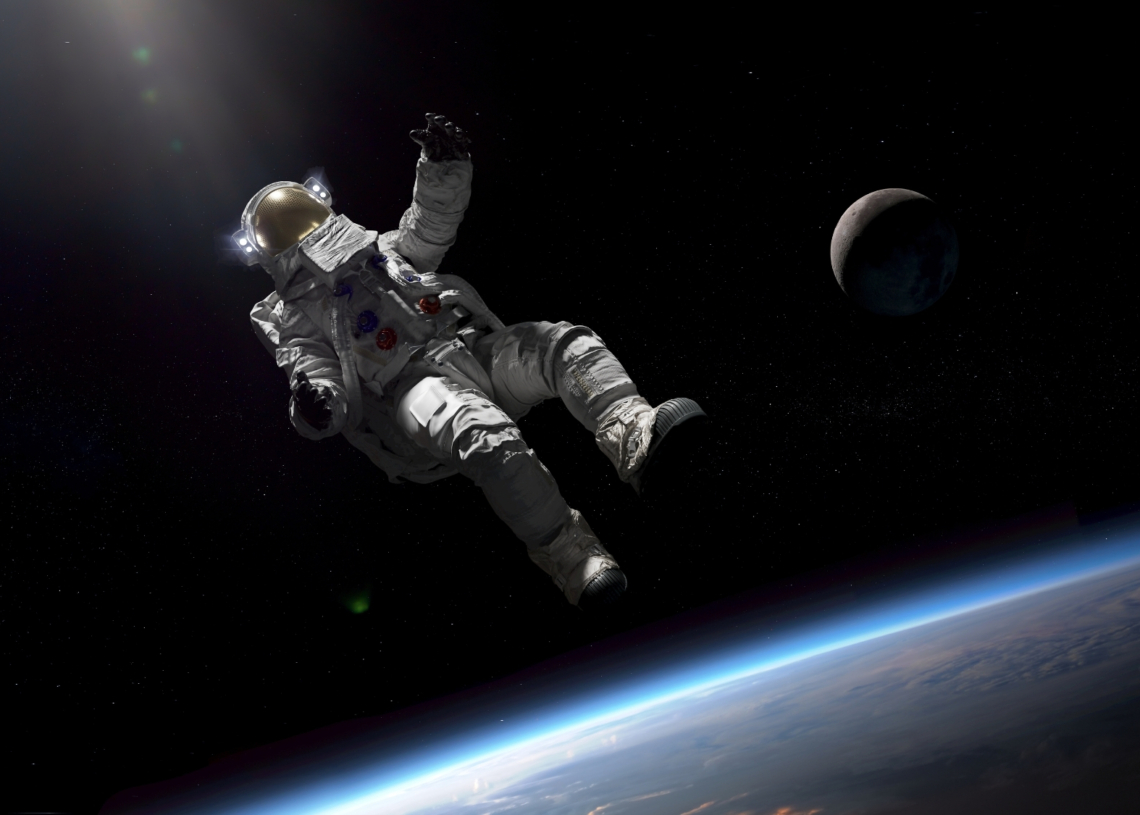
Sperm cells have been taking a beating lately. I just recently wrote about how sperm cells are getting absolutely hammered by diets high in ultra-processed foods. Today, we get word via a research paper published in Communications Biology by scientists at the University of Adelaide, that the microgravity of space travel might baffle the heck out of human sperm.
The study used a device called a clinostat to simulate microgravity on Earth, essentially removing any sense of up or down from our testicular swimmers. Researchers then observed how sperm from humans, pigs, and rodents navigated a maze designed to mimic the female reproductive tract.
The results were glaringly obvious: sperm weren’t any weaker or slower, but they had no idea where they were going or what they were doing.
Why Getting Pregnant in Space Could Be So Difficult for Future Humans
Without gravity, fewer sperm successfully reached their destination. If you want to best understand what those sperm were going through, the researchers likened it to being disoriented. It’s as if the cells had lost all sense of their internal compass. The issue wasn’t movement but direction. Gravity, it seems, may play a big but vital role in helping sperm orient themselves as they move.
The team did devise a partial workaround. When the scientists introduced a strong chemical signal, in this case provided by progesterone, a hormone produced by women in the ovaries after ovulation that prepares the uterus for pregnancy, the sperm are better able to navigate the simulated reproductive path. It was the cheese that let the mouse navigate the maze.
This means that sperm can rely on chemical cues when physical orientation makes no sense. But even then, it wasn’t a surefire hit. The findings point to a system that works best when multiple signals, including gravity and chemical lures, are working in concert.
The bigger concern is what happens after navigation. In follow-up experiments, mouse sperm exposed to simulated microgravity for just a few hours showed a 30 percent drop in fertilization success. And the ones that did form embryos developed more slowly or showed early-stage abnormalities. Human sperm responded similarly, though the long-term effects are unclear.
Where a human astronaut learns to orient themselves in zero gravity, sperm cells are a little too simple to learn those techniques. If the human race ever wants to expand beyond Earth, we have to figure out how to trick our sperm into thinking that they are firmly rooted in an earthly gravity. And in factors like the ambient radiation of space, which can potentially damage sperm cells, and suddenly, the prospect of procreating in space seems like quite the challenge to overcome for our spacefaring prospects.
The post Why Future Humans Will Struggle to Get Pregnant in Space appeared first on VICE.