TEL AVIV — The spring holiday season is typically a crowded time for the ancient holy city of Jerusalem, as an influx of worshipers make pilgrimages to some of the most sacred religious sites of the major faiths.
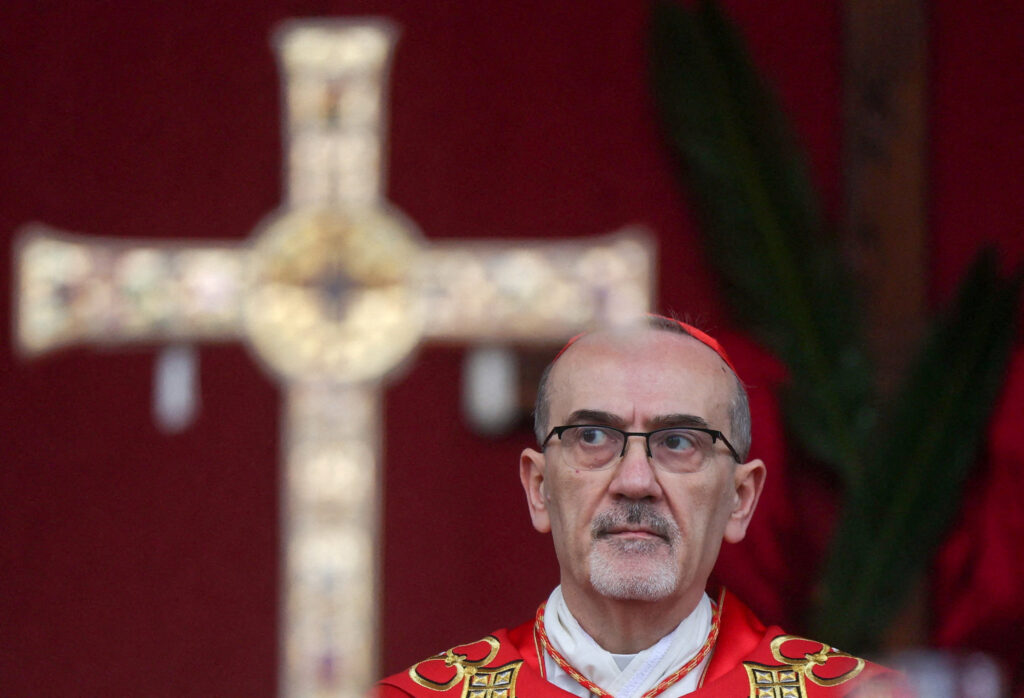
But restrictions imposed by Israeli authorities, citing the war against Iran, have obstructed access and dampened holidays for Muslims, Jews and Christians. This weekend, Israeli authorities blocked, then unblocked, the head of the Catholic Church in Jerusalem, Cardinal Pierbattista Pizzaballa, from celebrating the start of Easter Week at the Church of the Holy Sepulchre — the holiest site in Christianity, where, according to tradition, Jesus was crucified and resurrected.
The decision to block the most senior Catholic official in Israel from entering the 4th-century church in Jerusalem’s Old City to celebrate Mass on Palm Sunday drew swift outrage and statements of concern, including from the U.S. ambassador to Israel, Mike Huckabee, who called it an “unfortunate overreach already having major repercussions around the world.”
Israel immediately said the move was justified, prearranged and applicable to members of all faiths, not just Christians, because of wartime safety concerns, but early Monday, top officials reversed course, with Prime Minister Benjamin Netanyahu saying on X that he had “instructed the authorities to enable the Patriarch to hold services as he wishes.”
Netanyahu said Israel had “asked members of all faiths,” including Pizzaballa, to temporarily abstain from worshiping at the Old City holy sites “out of special concern for his safety.” But critics said the reversal came too late, after the holiday had passed, and they noted that other key sites, including the Al-Aqsa Mosque and the Western Wall, remain closed to worshipers.
The Israeli police said Monday afternoon that a “productive meeting” with the cardinal helped establish a “mutual framework” for upcoming Easter ceremonies and posted a photo of a smiling Pizzaballa holding the hand of a police official. Some events will be held in a “symbolic, limited format,” police said, to ensure “freedom of worship” and “the protection of human life.”
On Sunday morning, Pizzaballa, along with Custos of the Holy Land Francesco Ielpo, were heading to the Church of the Holy Sepulchre when they were “stopped en route, while proceeding privately and without any characteristics of a procession or ceremonial act, and were compelled to turn back,” according to a statement issued shortly afterward by the Latin Patriarchate of Jerusalem and the Custody of the Holy Land.
The Latin Patriarchate said church heads “have complied with all imposed restrictions,” including canceling public gatherings. It said preventing the entry of the two men “constitutes a manifestly unreasonable and grossly disproportionate measure” that “represents an extreme departure from basic principles of reasonableness, freedom of worship.”
The obstruction drew condemnation from Christians and international leaders across the globe.
Huckabee said that even with other holy sites closed, the decision to bar entry for a small group of Catholic representatives “is difficult to understand or justify” because the private ceremony fell far below the Israeli military’s wartime restriction on gatherings to 50 people or fewer.
Because of Israel’s security rules, Al-Aqsa Mosque, one of the holiest sites for Muslims, was closed to worshipers for Eid and most of the month of Ramadan for the first time since the Six-Day War of 1967, compelling thousands of worshipers to pray on the streets as close to the holy site as possible. Eid, which marks the end of Ramadan, usually draws more than 100,000 people to the mosque.
Italian Prime Minister Giorgia Meloni said denying entry to the patriarch and the custos, especially on Palm Sunday, “constitutes an affront not only to believers but to any community that upholds religious freedom.” Italy’s foreign minister summoned the Israeli ambassador to “obtain clarifications” on the situation.
The Israeli police defended the restrictions Sunday, saying officials had notified the patriarch that his request to enter the site would not be approved.
All holy sites in Jerusalem’s Old City were closed to worshipers “to safeguard public safety and security” during the war, police said, adding that this was especially true for locations without standard protected spaces. It said that the Old City, with its narrow streets and alleys, does not accommodate access for large emergency and rescue vehicles, and that “freedom of worship will continue to be upheld,” with necessary restrictions.
Israel, posting on an X account run by the Foreign Ministry, said concern over a mass-casualty event in the Old City “is particularly acute given the area’s density and the difficulty of deploying first responders.”
On the afternoon of Eid, on March 20, a fragment from an Iranian missile fell in the Old City, only a few hundred meters from Al-Aqsa Mosque and the Western Wall, the Jewish prayer site that is also closed to visitors, which Netanyahu and other officials cited in their explanations for blocking access to the church.
Canadian Prime Minister Mark Carney said he was “disappointed” by the actions of the Israeli police. Spanish Prime Minister Pedro Sánchez said “Netanyahu has prevented Catholics from celebrating Palm Sunday in Jerusalem’s Holy Places. Without any explanation. Without reasons or motives.” Hungarian Prime Minister Viktor Orban called it a “painful Palm Sunday” that is “unacceptable for us as Christians.”
Jordan’s Foreign Ministry spokesman called it an “illegal restrictive measure” against Christians, saying Israel “has no sovereignty over Jerusalem as an occupying power.” The spokesman added that the continued closure of Al-Aqsa Mosque violates international law and the historical status of the city.
The Foreign Ministry of the Palestinian Authority called the police action “a crime affecting both the Christian and Islamic worlds.” In a public statement, Hamas called Israel’s actions “a dangerous precedent, not seen in centuries” and “actual implementation of the occupation’s Judaization policy against the holy city.”
Faiola reported from Rome.
The post Outrage grows over Israeli restrictions to Jerusalem sites during Holy Week appeared first on Washington Post.