Uncle Sam needs you to help crush the billion-dollar health care fraud gangs.
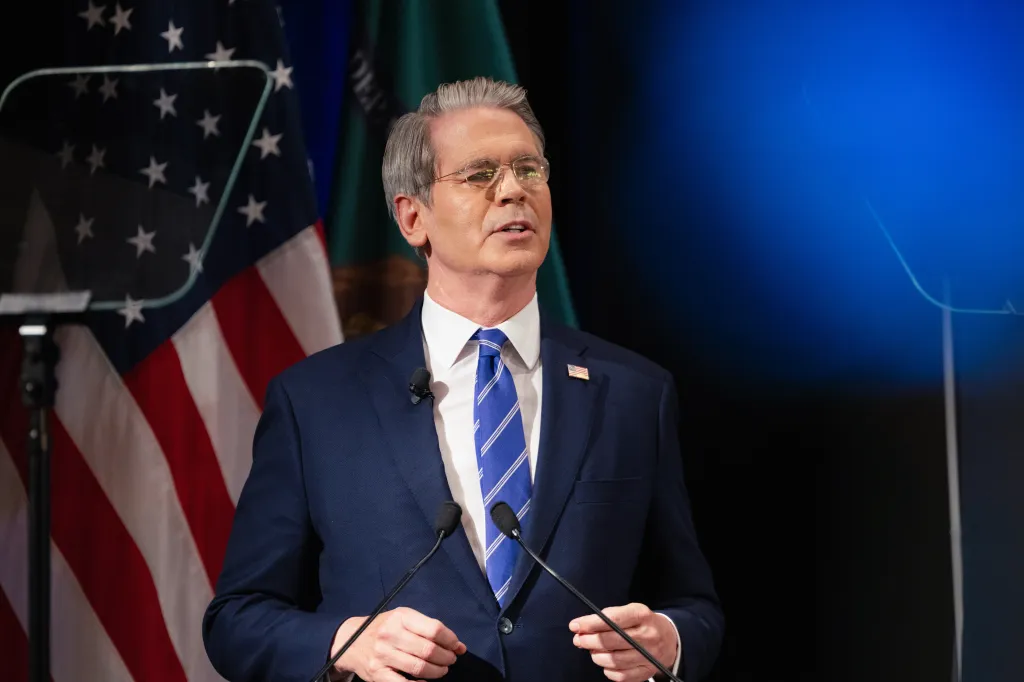
Treasury Secretary Scott Bessent is launching a new program on Monday that will reward tipsters with up to 30% of fines imposed on criminals who are trying to bleed Medicare and Medicaid dry, The Post has learned.
And given that fraud of those two programs tops some $70 billion per year according to one estimate, whistleblowers could be in for some big payouts.
The move comes after Bessent visited Minnesota in January, which had become ground zero for a sprawling web of scams by Somali immigrants, who allegedly ripped off government welfare programs to the tune of at least $9 billion since 2018.
The payments will come directly from fines, rather than having the American taxpayers foot the bill, according to confidential Treasury documents obtained by The Post.
“Individuals located in the United States or abroad who provide information may be eligible for awards if the information they provide leads to a successful enforcement action that results in monetary penalties exceeding $1,000,000,” one of the documents reads.
It would mirror a similar scheme run by the Internal Revenue Service, which is also overseen by the Treasury Department.
The 63-year-old former hedge fund mogul’s idea is to pay informants 10-30% of the proceeds when criminals are slapped with fines of more than $1 million.
A leaked memo reveals that Bessent will also put US banks on high alert, warning that sophisticated fraudsters are even recruiting foreign nationals to steal from federal social programs.
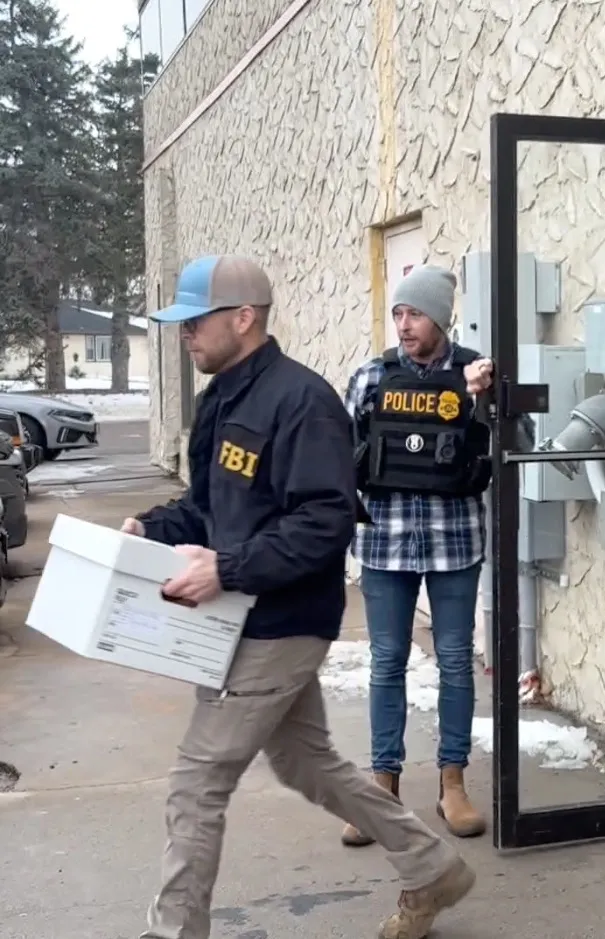
Federal investigators are already probing how Somali scammers in Minnesota set up fake autism clinics, phony food distribution sites, and ghost housing services, using “straw owners” to funnel taxpayer cash into overseas real estate — and even allegedly to Islamist terror networks like Al-Shabaab.
“Our citizens have a right to know that their tax dollars are not being diverted to fund acts of global terror or to fund luxury cars for fraudsters,” one Treasury official briefed on the matter told The Post.
One Minnesota scam, involving a group called Feeding Our Future, saw $250 million bilked from funds meant to provide food to hungry kids.
The perpetrators, instead, spent the cash on luxury cars, handbags, and properties overseas, according to prosecutors.
Except for the ring-leader, nearly everyone involved is of Somali descent.
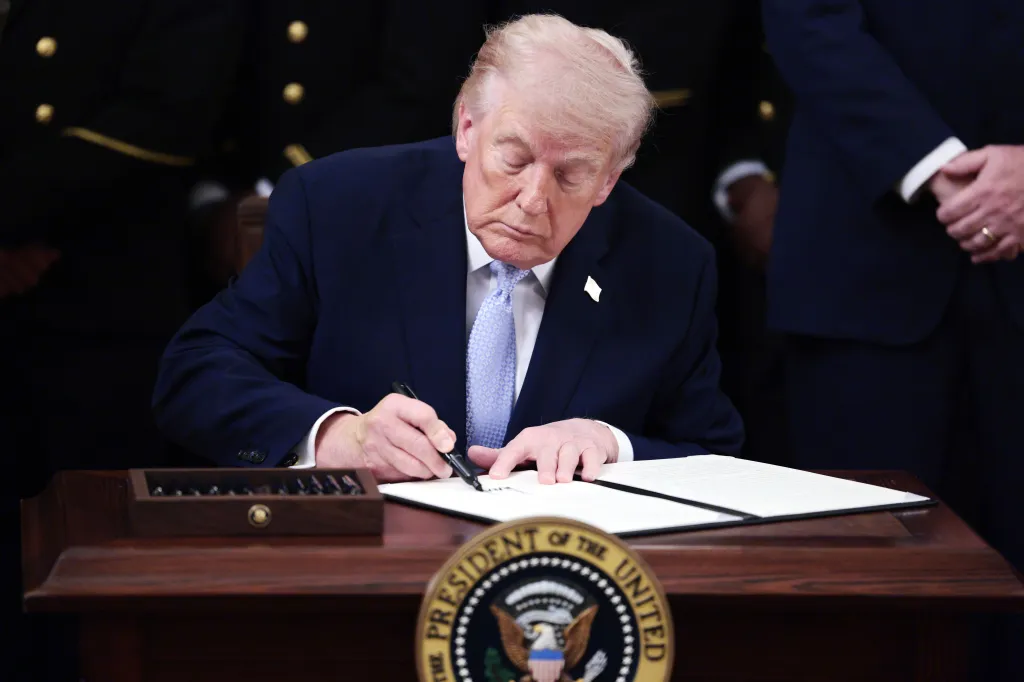
The Treasury Department’s move also follows an executive order signed by President Trump in March 2025 that vowed a government-wide zero-tolerance approach to such fraud.
Vice President JD Vance on Friday held the inaugural meeting of a new anti-fraud task force he’s leading — as the administration moves to crack down on abuse of social programs.
The Treasury’s top cops in charge of following dirty money, known as the Financial Crimes Enforcement Network, will issue an advisory on Monday telling lenders “to be vigilant in identifying and reporting suspicious transactions potentially related to healthcare fraud schemes.”
Financial institutions must file what is known as a Suspicious Activity Report (SAR) under the Bank Secrecy Act with the elite unit whenever there is a suspected case of money laundering or fraud.

Any attempts to hide, move, or clean stolen cash violate this country’s main anti-money laundering law.
The leaked advisory, effectively an early warning system for US banks, lays out how crooks steal patient IDs through bribes and identity theft, flood the system with bogus claims for ghost treatments.
The proceeds are then “washed” through wire transfers and crypto, or spent on luxury items.
“Fraud, including health care fraud and government benefits fraud, also continues to be one of the largest sources of illicit proceeds in the United States,” the document to be published on Monday reads, adding that “health care fraud has increased significantly since the COVID-19 pandemic.”
The Treasury Department also warns that failure to stamp out bogus healthcare claims eventually leaves hardworking Americans footing the bill.
“These schemes threaten the integrity of both the US health care and financial systems, impose enormous costs on taxpayers, waste critical resources for beneficiaries of these programs, and increase the cost of health care in the United States,” the 18-page missive states.
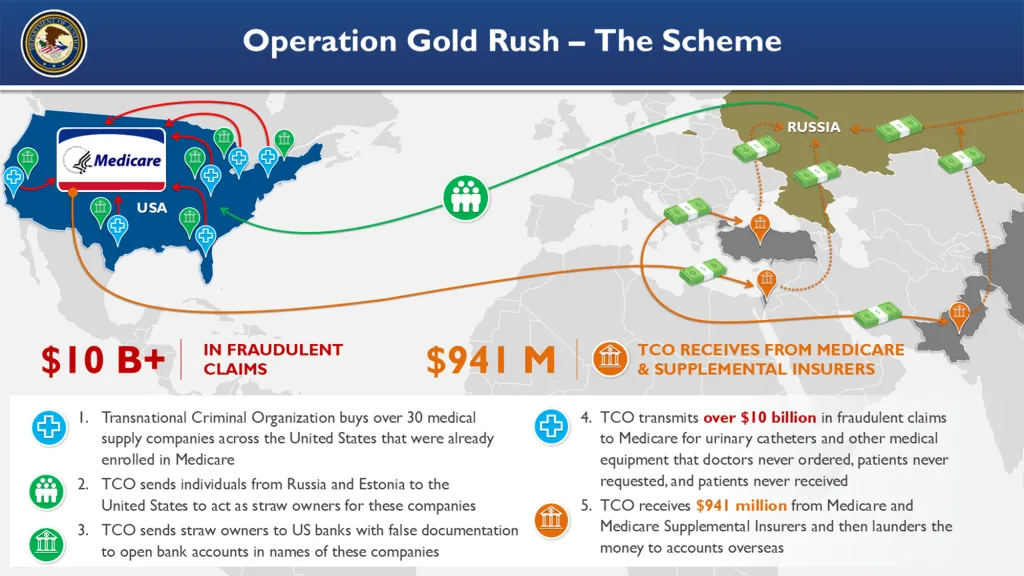
The rip-off starts with “straw owners,” often using immigrants or the stolen identities of retired doctors, who create phony shell companies that pretend to be legit suppliers of wheelchairs, home health care, lab tests, drugs, or adult day care.
Tactics include billing for ghost services that were never delivered, slapping charges on medical junk patients don’t need, or “upcoding” cheaper procedures to look like expensive treatment.
“This is often facilitated by paying kickbacks and bribes through recruiters and marketers to complicit doctors, nurses, pharmacists, and other medical professionals for fraudulent, non-existent, exploitative, or unnecessary medical care,” the advisory reads.
Once the government pays out, the scammers wire the money overseas — making it harder for the feds to recover, according to the same source.
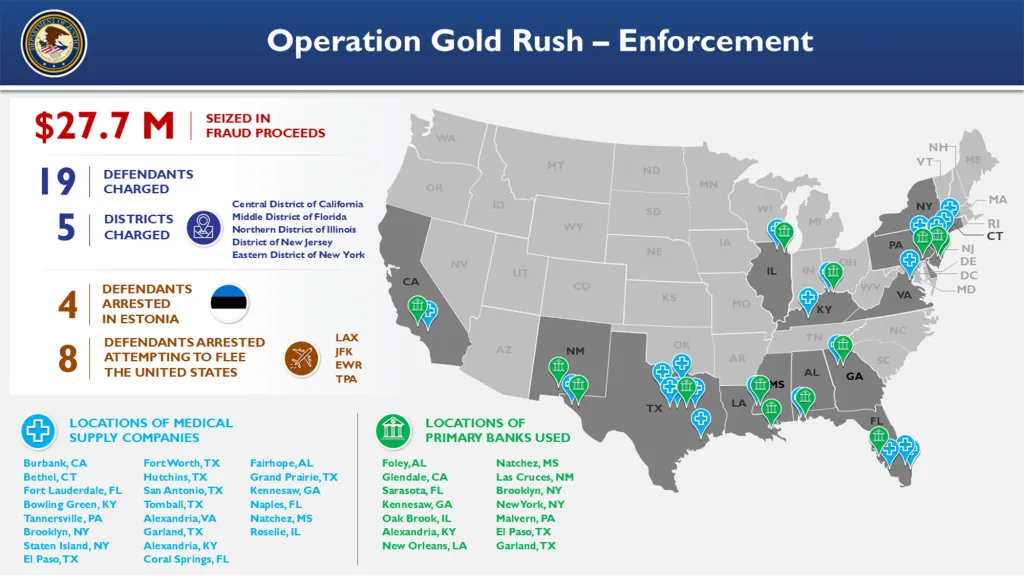
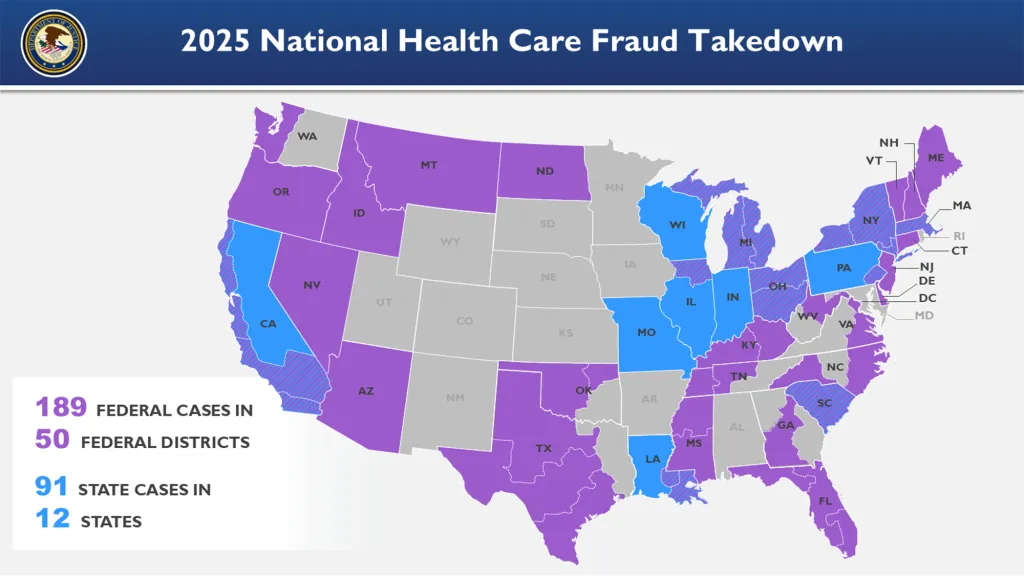
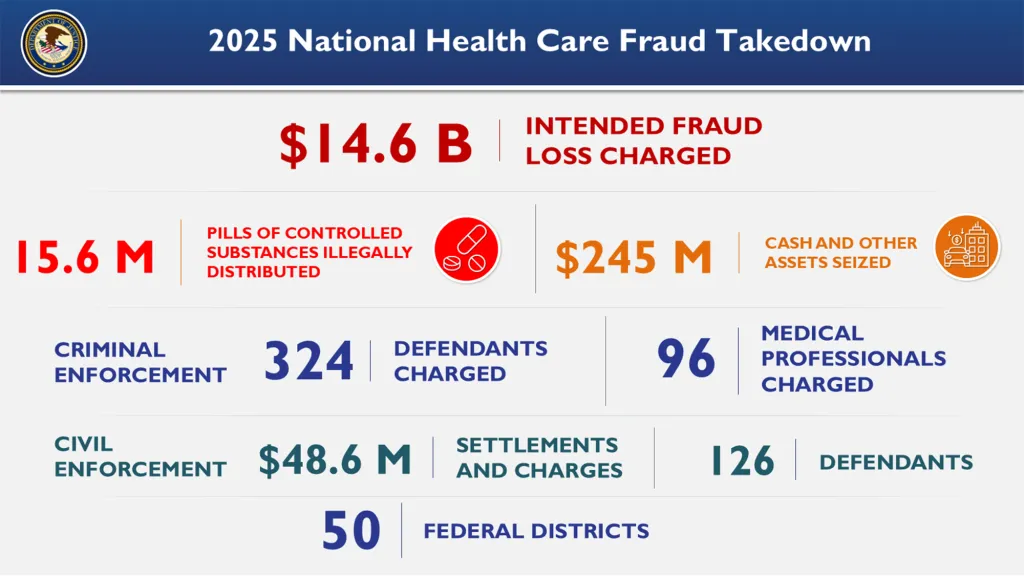
Last year, the Justice Department brought criminal charges against 324 defendants for alleged participation in a $10 billion health care fraud.
It was part of Operation Gold Rush, the largest such bust in history, that took down a Russian-banked crime syndicate that allegedly purchased legitimate medical supply companies to submit fake claims for durable medical equipment, stole identities, and ripped off Medicare.
Medicaid and Medicare fraud costs at least an estimated $68.7 billion each year, according to a 2022 study conducted by the Colorado State University Global White Collar Crime Task Force.
The confidential Treasury warning to banks raises as many as 24 “red flags” for financial institutions to watch for, including claims logged by someone without permanent residence in the US, sudden spikes in billing from newly established medical companies, or making huge transfers to companies overseas just after a direct deposit from the government clears.
While not legally binding, ignoring an advisory is highly dangerous for a bank’s regulatory standing, which can trigger reputation-shredding probes and penalties.
Treasury hit New York-based investment bank Canaccord Genuity with a record $80 million civil fine just three weeks ago for failing to monitor suspicious trading.
Investigators said that between 2019 and 2022, Canaccord failed to file at least 160 suspicious activity reports covering thousands of questionable transactions, with some activity that deserved “red flags” going unreviewed for months or years.
The allegations were unrelated to healthcare fraud, but focused on a Cyprus-based firm that spent years helping Russian oligarchs move money out of Russia.
The post Health care fraud whistleblowers could make millions as Bessent cracks down on sprawling scams appeared first on New York Post.