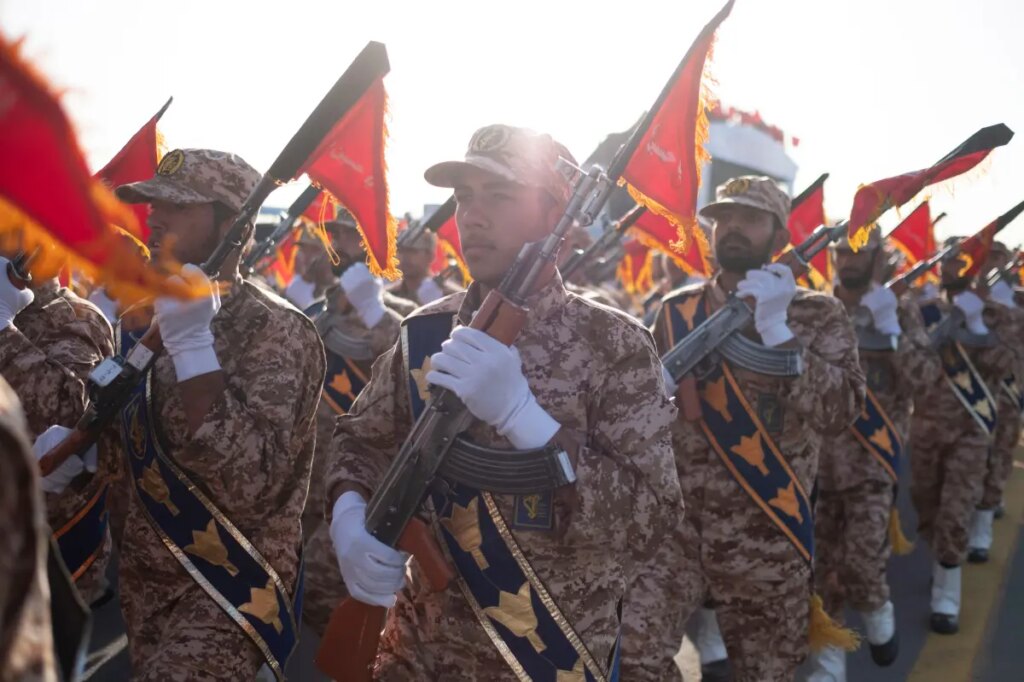
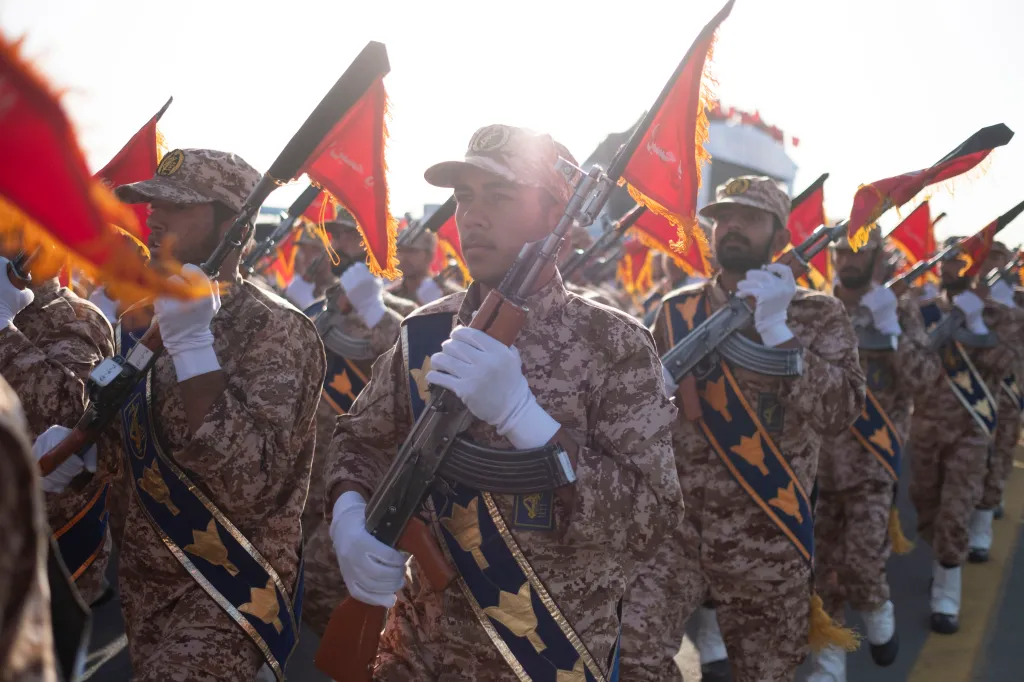
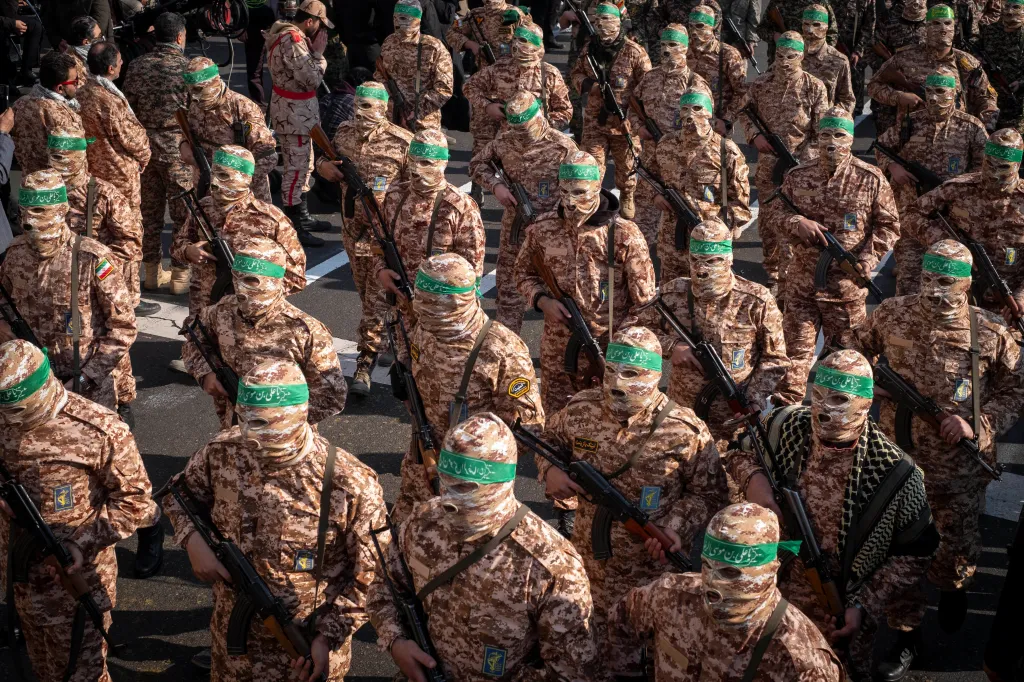
As many as 1,000 former members of the Iranian Islamic Revolutionary Guard Corps may be embedded across Canada — and posing an urgent security threat to the US, experts told The Post.
Canada’s liberal government isn’t doing nearly enough to address the problem, Michelle Rempel Garner, a member of the opposition and the “shadow minister” for immigration, told The Post.
“It’s a huge problem,” she said. “That’s not just a concern for our country, it’s a concern for our security partners and allies.”
Regime-affiliated figures routinely exploit Canada’s lax immigration policies to gain entry, making them nearly impossible to deport, Garner said.
“They go on to request asylum and get deportation stays; the system has to change,” she said.
“The crown jewel for the Iranian regime is the US, not Canada. The Iranian regime sees the US as the Great Satan and Israel as the Little Satan,” said Joe Adam George, a research lead for Philadelphia-based think tank Middle East Forum.
The Islamic Republic is known to have “sleeper cells” all over the world, and may have sent out an “operational trigger” to activate them after the war with the US and Israel began, according to an encrypted message intercepted by the US.
The US Consulate in Toronto was attacked on March 10 when two gunmen allegedly opened fire at the heavily fortified compound. No injuries were reported, and it is not yet known if the suspects were connected to the Islamic regime.
Royal Military College and Queen’s University Professor Christian Leuprecht said Canada will have to bear some of the blame should one of their immigrants commit a terrorist act in the US.
“Canada presents itself as a beacon of human rights but we let people into the country who have blood on their hands,” he said.
The Canadian government has identified 32 high-ranking Iranian officials living in their country and has flagged them for deportation, according to the Canadian Border Services Agency.
Some top Iran regime members in the Great White North reportedly include:
- Deputy Director General of the Iranian Ministry of Industry, Mines and Trade Abbas Omidi, Global News reported. Omidi, 55, worked as a senior leader in Tehran for more than 27 years and arrived in Canada in 2022. He is currently facing deportation hearings.
- Former Director General of Iran’s Ministry of Roads, Afshin Pirnoon, was allowed to remain in the country after Canada’s Immigration and Refugee Board blocked the border security agency’s request to deport him in 2025, saying he didn’t exert “significant influence” over Iran’s totalitarian government.
- Seyed Salman Samani, spokesperson for Iran’s Ministry of Interior. He was given deportation orders in March 2024, but hasn’t yet left the country, sources said.
- Majid Iranmanesh, director general of Iran’s Vice-Presidency for Science and Technology. He was given deportation orders in February 2024 but is still in the country, sources said.
- Sina Ardeshir Larijani, the nephew of Iran’s short-lived de facto leader Ali Larijani, is reportedly working as the director of Real Estate Finance at the Royal Bank of Canada in Vancouver, according to Regime Out, an Iranian Opposition group.
Canada barred Iranian officials from entering the country in 2022 after Mahsa Amini was murdered in Iran after getting arrested for allegedly violating the country’s strict hijab ban. The ban applied to officials who served in the regime from 2019 onward.
In 2024, the ban was extended to apply to officials who served in the regime since June 22, 2003, the date that a Canadian photojournalist in Tehran, Zahra Kazemi, was arrested. Kazemi was later tortured and died a few weeks later.
Only one Iranian official, whose name has not been reported, has been booted from the country so far, The Toronto Star reported.
When asked by The Post, the CBSA did not deny that Sina Ardeshir Larijani is Ali Larijani’s nephew and is in the country, saying only that the information is private.
“An individual’s border and immigration information is considered private and protected by the Privacy Act,” a CBSA representative said.
Canada’s Minister of Public Safety Gary Anandasangaree, said last week the number of IRGC members in the country is “not substantiated.”
Immigration, Refugees and Citizenship Canada has canceled 239 visas of possible Iranian officials as of March 5, according to a statement.
The post Up to 1,000 Iranian ‘sleeper’ agents embedded in Canada: Govt official appeared first on New York Post.