An American victory, or something resembling that, is far from guaranteed in the war against Iran. Yet, if the Trump administration isn’t careful, China could very well emerge as the conflict’s biggest beneficiary.
The fallout from the Iran war and the closure of the Strait of Hormuz has been relatively contained for consumers in the United States. Credit largely goes to America’s domestic energy revolution, which has helped ensure a steady supply of oil and gas, even as prices rise.
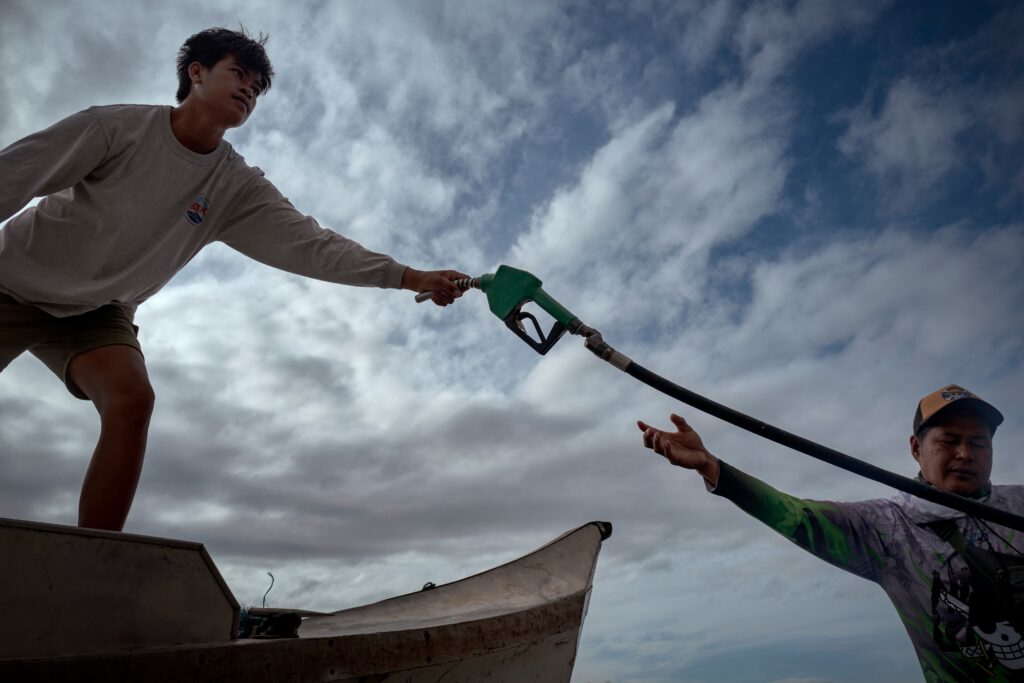
Asia isn’t as lucky. Close to 90 percent of the oil and more than 80 percent of the liquified natural gas that normally traverses the Strait of Hormuz is destined for the continent. While Americans are paying more to fill up their cars, many of America’s friends and allies in Asia risk running out of gasoline altogether.
The president of the Philippines, a treaty ally, just declared a national energy emergency and warned some planes may have to be grounded because of a shortage of jet fuel. Gas stations in Vietnam, a strategic partner, have posted signs saying they’re tapped out. Japan and South Korea, which host tens of thousands of American troops, are also enacting emergency measures to shore up limited supply.
U.S.-friendly Asian countries also have been hit by a decline in stock markets and a rapid acceleration of the dollar, as buyers flocked to the safety of the greenback. That has made all their imports more expensive.
Many Asian countries have been left feeling they are paying the bill for a war launched without their input. This all adds up to a remarkable propaganda coup for Beijing, which loves to portray Washington as a fickle friend.
To its credit, the Trump administration has taken some steps to help ease the oil shock in Asia. There is an oil swap program, with the Energy Department releasing 172 million barrels from the Strategic Petroleum Reserve (SPR). Japan and South Korea, members of the International Energy Agency, can borrow oil to be repaid later at a premium of 18 to 22 percent in extra barrels back to the U.S.
The Philippines was granted a waiver to buy sanctioned Russian oil, but there are more effective ways to help allies that don’t involve hurting a partner like Ukraine.
The amount being released from the SPR, spread over 120 days, amounts to around 1.4 million barrels per day, about 7 percent of what normally flows through the strait. Most of the oil from the SPR is crude, so the administration could prioritize exporting jet fuel to Asia to keep planes flying.
The U.S. could provide “dollar swap lines” to help Asians stabilize depressed Asian currencies, so they can purchase oil on the market without draining their dollar reserves. The Treasury Department could also offer to indemnify tankers carrying oil to allied ports, eliminating skyrocketing wartime insurance premiums.
Even better would be a ceasefire – in the ongoing tariff war. Since they are paying more for oil while seeing their currencies decline, Asian partners don’t deserve to be hit with across-the-board 15 percent tariffs.
Besides the economic shock, Asia has seen the U.S. redeploy troops from Japan and THAAD and Patriot missile interceptor systems from South Korea to the Middle East. That heightens jitters among America’s partners that the U.S. is less committed to Asia’s defense as it fights yet another Middle Eastern war. The U.S. could offer accelerated technology transfers to allow Tokyo and Seoul to develop their own locally made missile defense systems.
Aside from homeland defense, one of the foremost reasons for having a military is to uphold international trade. And no region is more important to the global economy, and needs to remain safe and stable, than the Pacific.
Striking Iran no doubt showed China that the U.S. is serious about using force when it feels threatened, and that may have enhanced some level of deterrence in the Taiwan Strait. But more important than personal credibility is the carefully constructed security architecture meant to deter the greater long-term threat from China.
The post Win the Middle East, lose the Pacific? appeared first on Washington Post.