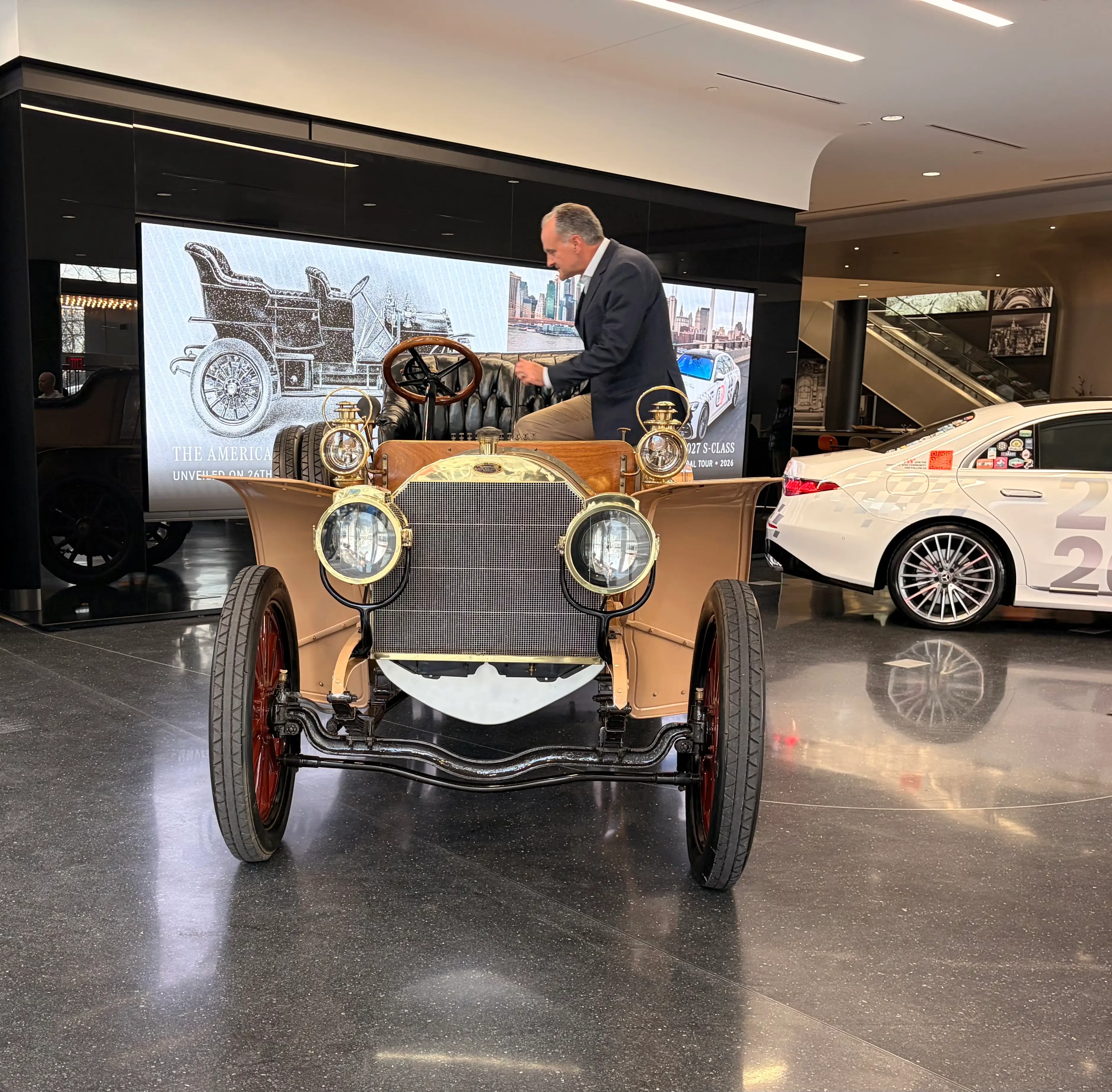
Jason Hoff stood next to a 1906 Mercedes. It was originally built in a piano factory on Long Island.
It’s a reminder, he joked, that the auto industry tends to repeat itself.
“You’ll never guess why they even built this in that factory,” the Mercedes-Benz North America CEO joked.
“It was tariffs.”
The vintage car — possibly the last of its kind — is now being shipped across the continent and showcased during company events as part of Mercedes’ 140th anniversary. It’s traveling alongside a new S-Class sedan meant to signal the company’s future.
Hoff sat down with Business Insider during the celebration’s stop in New York City. He said the car is a perfect metaphor for today.
The forces shaping the industry — tariffs, shifting demand, new technologies — aren’t all that different from the ones that brought Mercedes to the piano factory more than a century ago, he said.
They’re just happening faster.
“The automotive industry is one of the most resilient industries anywhere in the world,” Hoff, who stepped into his CEO role nine months ago, said. “Our strength lies in our ability to roll with the punches.”
Nearly a year on the job
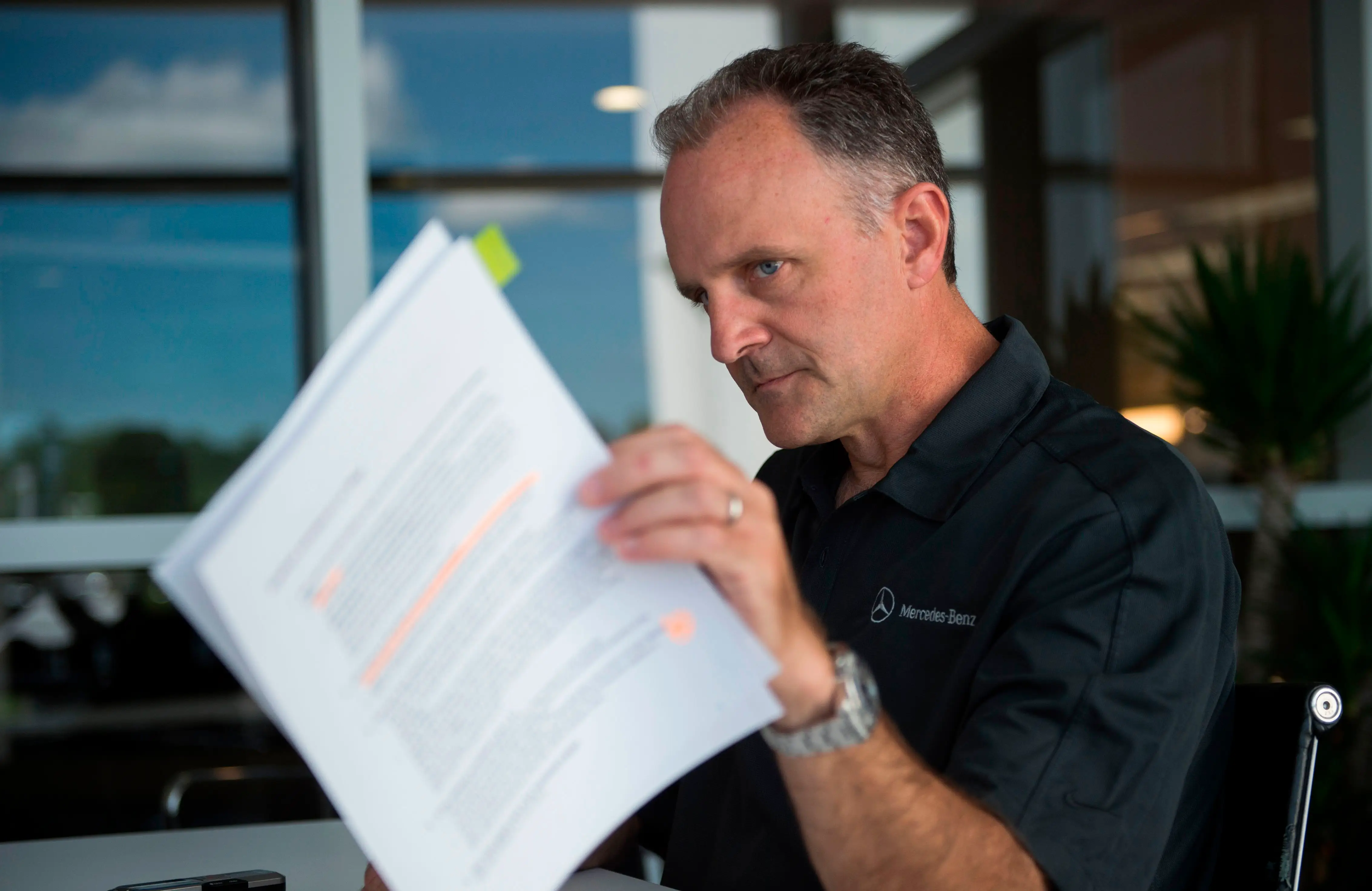
After nearly a year as North America’s top boss, Hoff says the legacy automaker has one main problem: corporate inefficiencies.
“We’ve grown up as separate business units,” he told Business Insider. “We see a lot of opportunity to bring those groups closer together.”
That realization is now driving a broader overhaul of Mercedes’ US operations. The company is consolidating parts of its corporate footprint and building a $34 million tech hub in Atlanta, bringing engineering and technical teams closer to its Tuscaloosa, Alabama, plant.
Hoff said the goal is to tighten feedback loops between teams that have historically operated in silos — from engineering to production to customer service.
He’s also rolling out a four-part strategy focused on boosting sales, expanding local production of high-demand vehicles, integrating business units that had been operating independently, and improving the customer experience and in-car technology.
Blending history with tech
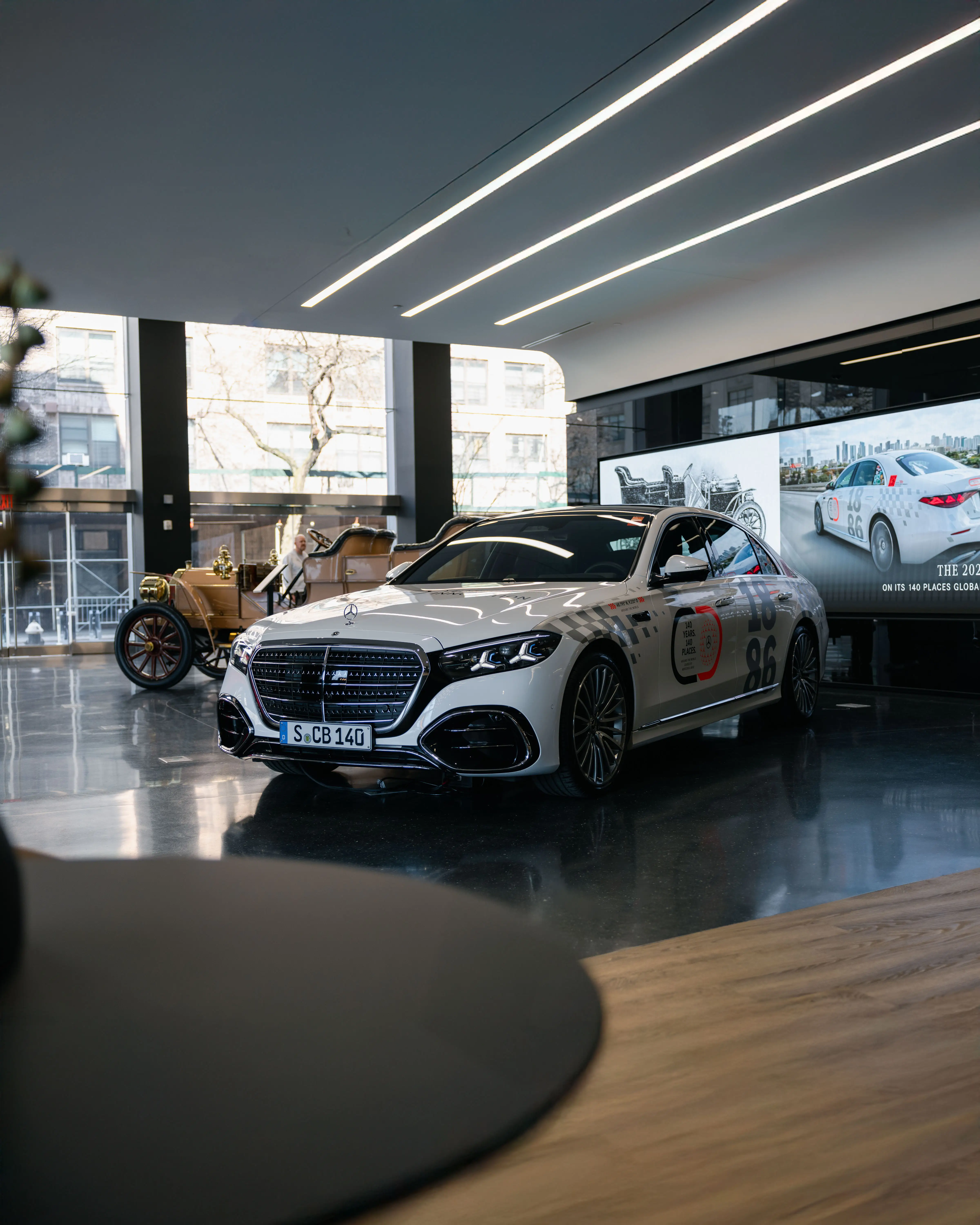
Mercedes is trying to add new tech to the heritage brand.
The company has leaned into advanced features, including launching Level 3 (eyes-and-hands-off) autonomous driving in parts of the US, allowing drivers to take their hands and eyes off the road in certain conditions.
That tech puts Mercedes ahead of some of its competitors, including Tesla. Still, the advancements have had some hiccups.
Five years ago, Mercedes said it would go all-electric by 2030. It has since backed off that goal, saying the company is “listening to the customer.”
Hoff said the industry has gotten “a lot smarter” since then.
Instead of betting on a single powertrain, Mercedes is building flexibility into its factories — each assembly line produces electric, hybrid, and gas-powered vehicles.
“You can have a C-Class with electric, plug-in, or gas,” Hoff said. “Take your pick.”
Tariffs remain a constant — and familiar — pressure.
While some retailers are suing for tariff refunds, Hoff said Mercedes is taking a more measured approach. The company hasn’t committed to legal action, though it is “looking at different avenues” to recoup some costs.
He described tariffs as impacting a relatively small portion of Mercedes’ overall business, even as a 25% levy on imported cars and parts continues to weigh on the industry.
Still, the legacy brand faces a new sales headwind. Its top rival, BMW, took the luxury automotive sales crown in 2021 and hasn’t looked back, selling over 300,000 global units more than Mercedes last year.
Learning from history
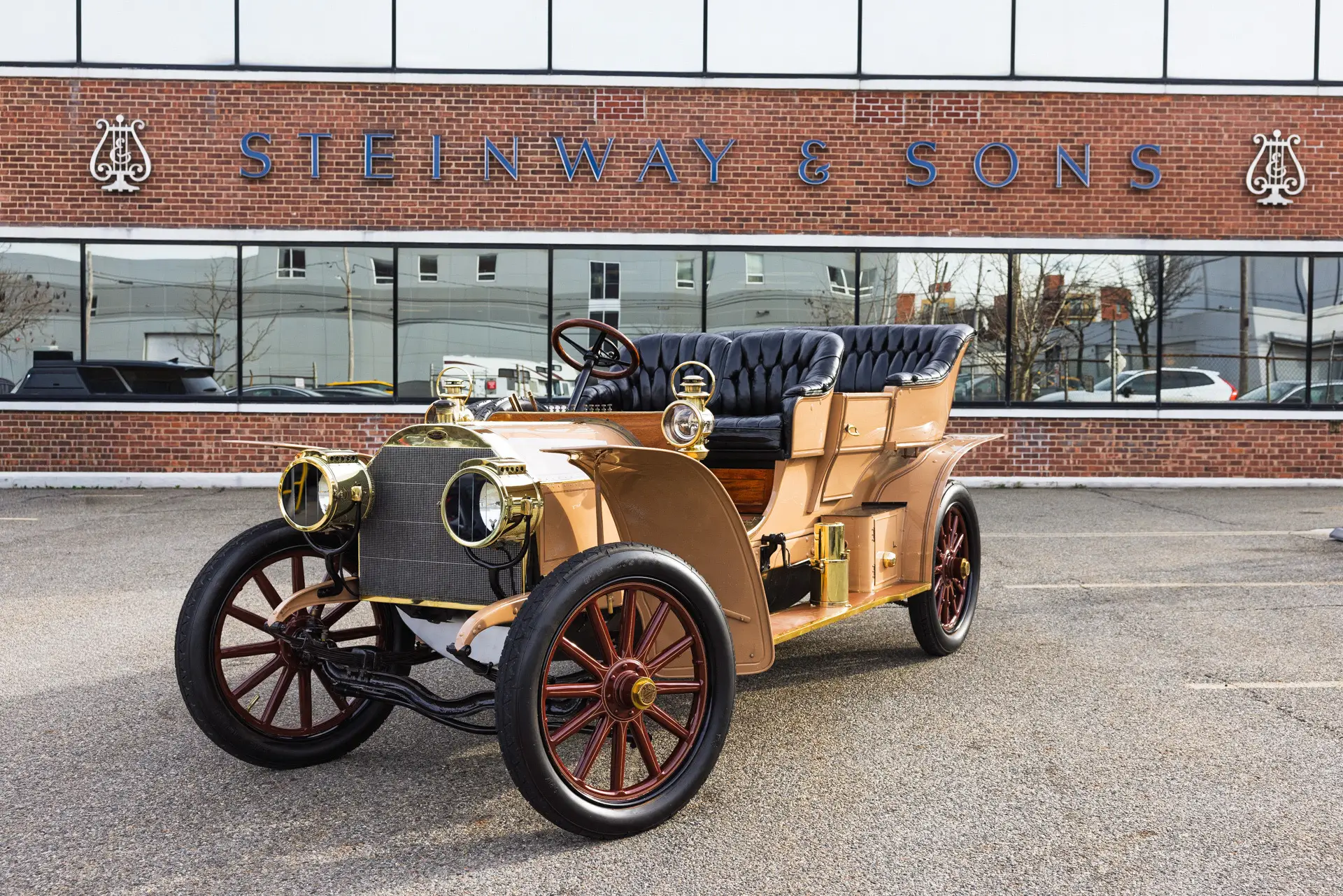
For Hoff, the 1906 model carries a lesson.
The car — assembled in a former Steinway & Sons piano factory on Long Island before Mercedes built its own US factory — was designed specifically for American roads and priced below imported versions, a workaround to the 30% tax imposed by the Dingley Tariff of 1897.
It featured practical upgrades for the time: an extra spare tire, a removable lantern for roadside repairs, and a higher ride height to handle rough roads.
More than a century later, Hoff sees the same dynamics at play — tariffs, localization, and shifting consumer demand. He thinks Mercedes can capitalize on those changes.
“We’re a premium product,” Hoff said. “We’re German-engineered, wherever we’re built.”
Read the original article on Business Insider
The post Mercedes’ American CEO says he’s reorganizing the company after finding a big problem in his first year appeared first on Business Insider.