A Los Angeles jury delivered a rare verdict against Silicon Valley giants Wednesday — the second finding in two days — boosting hopes of safety advocates that courts will deliver a long-sought reckoning over social media’s harms to children.
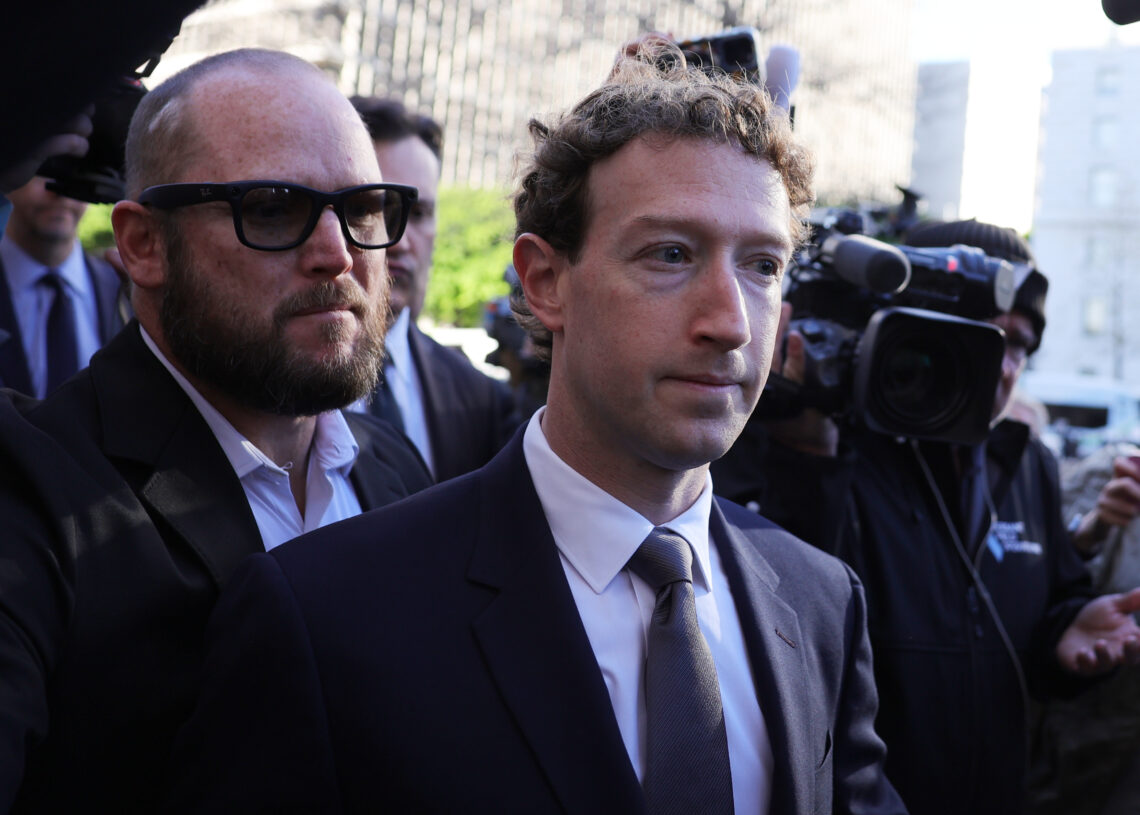
The jury found social Meta, the operator of Facebook and Instagram, and video platform YouTube negligent and awarded $6 million in damages to a young woman who alleged she had become hooked on the companies’ services as a child. The verdict came at the end of a month-long trial that featured testimony by Facebook founder Mark Zuckerberg and the morning after a jury in New Mexico ordered Meta to pay $375 million in penalties for endangering children.
The twin verdicts are signs of cracks in legal protections that for decades made tech companies seem almost impervious, as lawyers accuse the platforms of putting addictive or otherwise harmful features into their products. There are thousands more cases waiting to be heard, with young internet users, parents, school districts and state attorneys general all seeking compensation and changes to how social media services operate. All told, companies are facing potentially transformative damage awards.
With years of scrutiny but little action, some advocates say the results signal the coming of a new era.
Jim Steyer, the chief executive of Common Sense Media, said the outcomes so far show that the courts, state legislatures and foreign governments are now aligning to reshape Silicon Valley.
“We have major, major momentum,” said Steyer, who wrote a 2012 book on the dangers of Facebook. “We’ve been saying this for 15 years. These are addictive platforms.”
The legal team for the young woman who brought the Los Angeles case said that the jury was swayed by evidence about how companies knew the risks of their technology.
“For years, social media companies have profited from targeting children while concealing their addictive and dangerous design features,” attorney Rachel Lanier and three colleagues said in a statement. “Today’s verdict is a referendum — from a jury, to an entire industry.”
Given the huge number of other cases stacked up in the courts, experts said Meta and other tech firms are facing massive potential payouts.
“This is just the leading edge,” said Clay Calvert, a nonresident senior fellow at the American Enterprise Institute, a think tank. “Two or three more cases in Los Angeles, verdicts come down in favor of the minor plaintiffs, that would really be troubling for social media platforms and probably prompt settlements.”
The woman who brought the Los Angeles case — identified as K.G.M. or Kaley — alleged that she suffered anxiety and depression after using Instagram and YouTube throughout her childhood. The lawsuit focused on the design of the platforms, charging that tech companies built them to keep users glued to their screens with features like endless scrolling. That was a key legal maneuver to get around protections the firms enjoy involving liability for content posted by users.
But even after getting to court, experts said K.G.M.’s lawyers faced a potentially difficult job. There is no agreed-upon definition of social media addiction, and attorneys for the companies sought to raise doubt about whether it was their technology that caused K.G.M.’s struggles.
The final verdict was not unanimous, and jurors grappled with the evidence for days. But by a vote of 10-2 against the companies, they found that both knew their designs were dangerous and failed to warn their users of the risks.
Meta denied the allegations and said it takes steps to keep young users of its systems safe. The company immediately vowed to appeal both the verdicts.
“Teen mental health is profoundly complex and cannot be linked to a single app,” Meta said in a statement. “We will continue to defend ourselves vigorously as every case is different, and we remain confident in our record of protecting teens online.”
José Castañeda, a spokesman for YouTube, said it would appeal. “This case misunderstands YouTube, which is a responsibly built streaming platform, not a social media site,” he said in an email.
Snap and TikTok were also sued, but settled before the trial.
Advocates for stronger protections for children online have compared the cases to those targeting Big Tobacco firms, with the potential to deliver a broader reckoning for an entire industry.
In New Mexico, investigators in the state Justice Department went undercover to build a case arguing that Meta’s platforms have become hunting grounds for child predators. Jurors in Santa Fe quickly came back in favor of the state Tuesday afternoon. In May, the state attorney general’s office will return to court to seek a judge’s order that the company makes changes to its systems to protect children.
A third trial next month, involving a Kentucky school district, is set to begin in federal court. Lawyers are seeking compensation for the alleged disruption that social media has caused in the classroom. They also want an injunction requiring age verification, parental controls and targeting features, such as constant app notifications and auto-playing videos.
Eric Goldman, a law professor at Santa Clara University, said that while the verdicts indicate a huge risk for the social media industry, the outcome of other cases is not assured. He said the companies also had some strong grounds on which to base their appeals.
“The jury verdicts might be reduced or wiped away entirely,” Goldman said in an email.
Leaders in Washington have taken a far more limited role in overseeing Big Tech, mired in disputes over how to regulate the industry. But the verdicts could give fresh energy to efforts in Congress, as lawmakers consider a package of new child safety legislation.
Sen. Marsha Blackburn (R-Tennessee) said Wednesday that her colleagues now need to step in and take up the Kids Online Safety Act, legislation she is sponsoring with Sen. Richard Blumenthal (D-Connecticut). The bill calls for similar protections to those sought in the court cases.
“Big Tech has done everything in its power to blame parents and children instead of taking responsibility for designing their products to addict and harm children,” Blackburn said in a statement. “Now that Big Tech has been found liable for the harms they have pushed on our kids, it’s time for Congress to enshrine protections for American families.”
The post Verdicts against Meta, YouTube reshape legal protections for Big Tech appeared first on Washington Post.