Mick Mulvaney served as the director of the Office of Management and Budget and acting White House chief of staff in the first Trump administration. He is the executive director of Gambling is Not Investing.
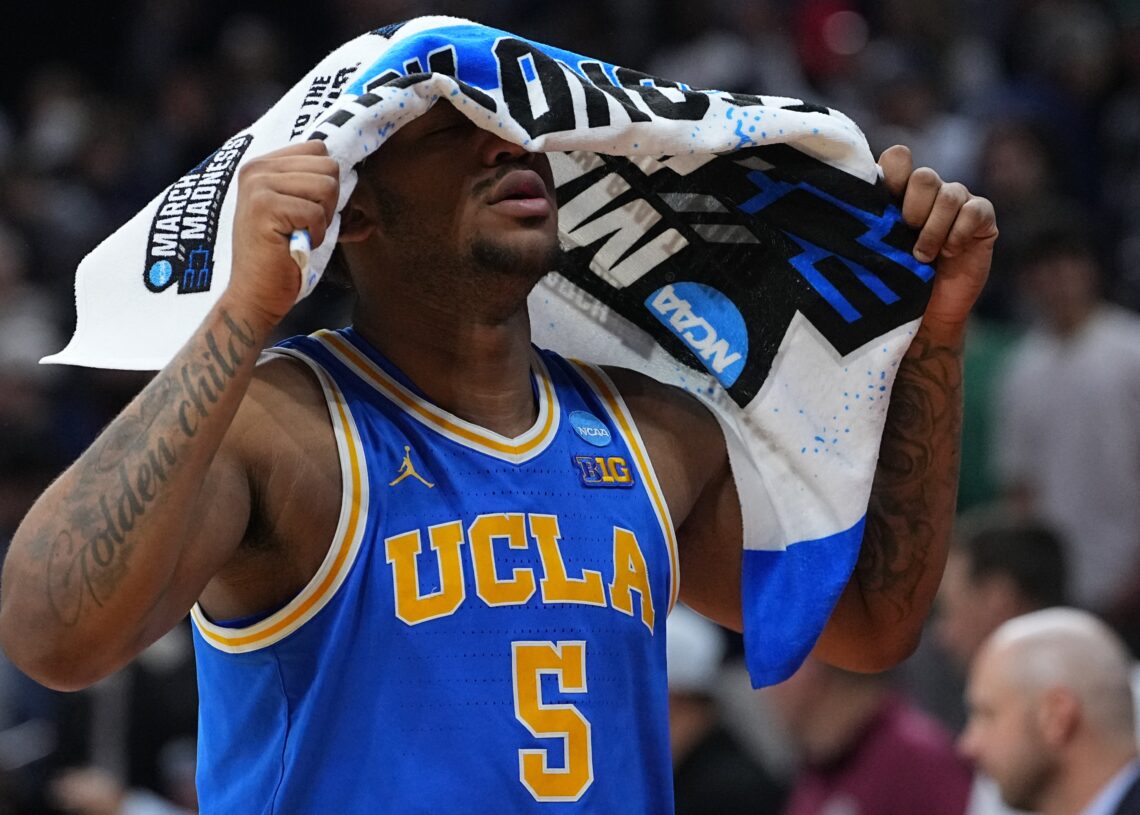
As March Madness heats up this week, millions of Americans will monitor their brackets, watch buzzer-beaters, and, increasingly, put money on the games. I will be among them.
But this year more than ever, some of the most active bettors may not even be old enough to legally place a wager in most states. That’s because more and more sports betting is happening not on regulated sportsbooks but on “prediction markets” — platforms such as Kalshi and Polymarket that insist their “sports event contracts” are entirely different from sports betting.
They aren’t.
If you can stake money on whether a team covers the spread, hits the over/under or wins outright, the label doesn’t matter. For users, the experience is indistinguishable from sports betting. And during March Madness — a tournament built around college campuses and young audiences — that purported distinction is dangerous.
In most states, legal sportsbooks require users to be 21 or older. Prediction markets allow users as young as 18 to stake money on sports.
The companies behind prediction markets prefer not to discuss this. Instead, they describe their products in the language of finance. They talk about “contracts,” “price discovery” and even “truth machines.” In reality, these platforms mostly facilitate sports gambling.
And unlike state-licensed sportsbooks, prediction markets are not bound by the same consumer protection frameworks such as a minimum age requirement of 21, responsible gaming resources and wager dispute recourse. They do not follow the same state-by-state rules, do not contribute comparable tax revenue to local communities and do not consistently provide the same responsible-gaming safeguards such as gambling addiction support.
The law is clear. States have the jurisdiction to regulate sports betting. But prediction markets argue they are regulated by the Commodity Futures Trading Commission, an agency created to regulate agricultural and financial derivatives, not nationwide online gambling. Congress never tasked the CFTC with setting guidance for sports betting, and the Supreme Court ruled in 2018 that authority rests with states.
Yet prediction markets are now offering sports-related wagering across the country, including in jurisdictions like my home state, South Carolina, that have not yet chosen to legalize sports betting at all.
The result is a system that undermines state policy decisions and the guardrails those policies put in place. States that have legalized sports betting did so deliberately, establishing age limits, creating new tax revenue and ensuring operators meet strict licensing standards. Prediction markets sidestep those requirements entirely.
The age issue is particularly hard to ignore. For years, policymakers debated the minimum age for sports betting, often landing on 21 to protect younger users. Prediction markets have effectively reset that threshold to 18 — not through legislation but through regulatory gamesmanship.
States are starting to fight back, paving the way for a legal showdown at the Supreme Court. Just last week, Nevada secured a court order forcing Kalshi to immediately stop offering sports-related bets on its platform. A few days earlier, Arizona filed criminal charges against Kalshi, accusing the company of operating an illegal gambling platform.
The legal volleys, though, could take years to play out. Meanwhile, prediction market operators are rushing to lure underage users. The companies have focused aggressive marketing on college campuses, targeting the teenagers who are too young to legally gamble on sportsbooks. On social media platforms such as X, TikTok and Instagram, Kalshi and Polymarket dole out payments for posts featuring their markets. In one case, they even courted a 15-year-old influencer.
March Madness will come and go. Brackets will bust. Champions will be crowned. But the regulatory gap exposed by this tournament will remain — until policymakers choose to address it.
When 18-year-olds can risk money to “predict” the outcome of a game that they cannot legally bet on in the same state, the issue isn’t what we call it. It’s that the system isn’t working.
The post Teens are ‘predicting’ March Madness. That’s a problem. appeared first on Washington Post.