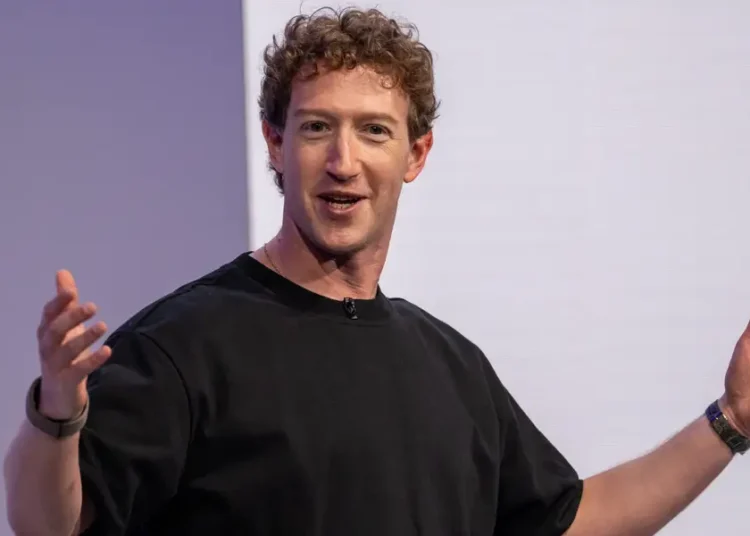
On Tuesday, Mark Zuckerberg’s Meta was handed a devastating loss after a New Mexico jury determined it intentionally violated state laws by misleading users about the safety of its products.
While the $375 million penalty it was slapped with pales in comparison to the $200 billion of revenue Meta made in 2025, the jury’s decision was a sign of what was still in store.
That came today, following nine days of deliberation, when a jury in Los Angeles determined that both Meta and Google were guilty for allowing young users to become addicted and suffer mental health issues as a result.
Again, while the $3 million in compensatory damages likely won’t even scratch Meta’s company’s bottom line, the two verdicts in just two days set an ominous precedent for Zuckerberg and his ilk as courts continue to debate the thoroughly-researched, harmful effects social media can have on young and impressionable minds.
As The Verge notes, Meta — alongside other social media companies including TikTok — is still facing many other lawsuits later this year, meaning that this week’s legal defeats could be just the beginning.
The upsets could rekindle a heated and era-defining debate over whether social media companies should be held responsible for the posts that appear on their platforms. Section 230 of the 1934 Communications Act, which has historically shielded companies like Meta from such a responsibility, could once again become a major point of contention among lawmakers on Capitol Hill.
Today’s verdict comes after five weeks of trial in a case brought on by a now 20-year-old woman, Kaley GM, who accused Meta and Google’s YouTube of causing her harm by worsening her struggles with body dysmorphia and compulsive use of both platforms.
Jurors were unanimous in their conclusion that Meta and YouTube were negligent and should face punitive damages. (TikTok and Snap, which were also named in GM’s case, reached settlements before the case was brought to trial.)
However, GM’s attorneys call today’s decision a major step in the right direction, setting a major legal precedent and opening the flood gates for countless other individuals who feel like they were harmed by social media companies.
“Families pursuing justice in other jurisdictions can now point to this outcome as proof that these claims deserve to be heard and taken seriously,” said Matt Bergman, founding attorney of the Social Media Victims Law Center, which is representing hundreds of plaintiffs, in a statement obtained by NBC News.
Despite a litany of evidence to the contrary, Meta maintains that it had nothing to do with GM’s troubles.
Following the defeat in New Mexico earlier this week, Meta communications VP Andy Stone tweeted that “we respectfully disagree with the verdict and will appeal.”
“We work hard to keep people safe on our platforms and are clear about the challenges of identifying and removing bad actors or harmful content,” he added. “We will continue to defend ourselves vigorously, and we remain confident in our record of protecting teens online.”
Stone also argued that the $375 million in damages were “just a fraction of what the State sought,” in an apparent attempt to downplay the verdict.
Less than 24 hours later, Stone once again took to X to respond to the second verdict.
“We respectfully disagree with the verdict and will appeal,” he wrote, regarding the decision in the case brought on by GM. “Teen mental health is profoundly complex and cannot be linked to a single app.”
“We will continue to defend ourselves vigorously as every case is different, and we remain confident in our record of protecting teens online,” he added.
More on Meta: Mark Zuckerberg Has No Problem With People Using His AI to Generate Fake Medical Information
The post Zuckerberg Suffers Pair of Bruising Courtroom Defeats in Two Days That Could Cost Him a Fortune appeared first on Futurism.