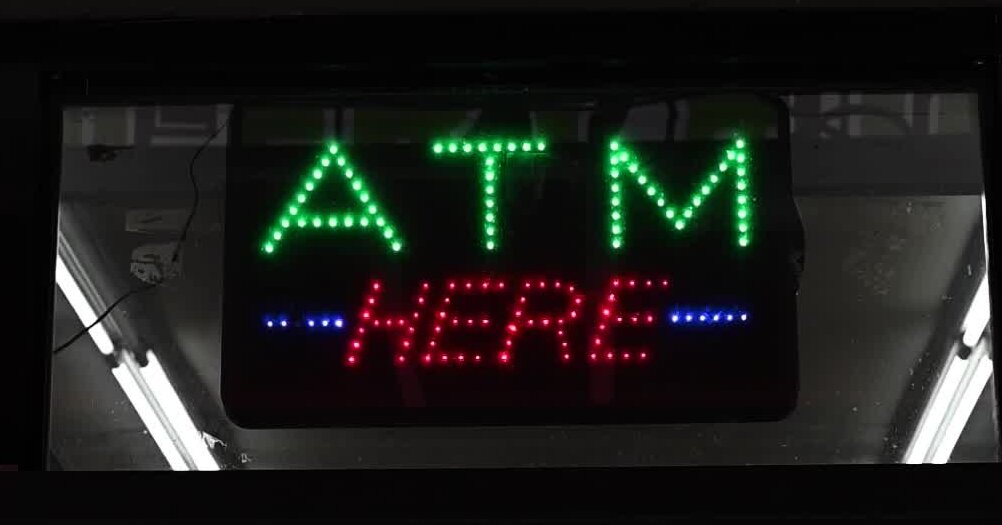
Robert Tavera was at the register in his South Bronx grocery store one Friday last July. Some young people were lingering at the A.T.M. in a way that was not normal and, he said, withdrawing hundreds of dollars at a time. They took turns at the machine, stuffing the cash into backpacks and black plastic deli bags.
Mr. Tavera said he had never seen anything like it, and it made him uneasy. Over roughly the next 36 hours, similar scenes played out across New York City in the cramped aisles of bodegas, delis and other businesses. By the end, The New York Times reported, more than $17 million had been drained from A.T.M.s in a scam linked to payment cards issued by the city’s Summer Youth Employment Program.
Eight months later, and after Mayor Zohran Mamdani promoted this summer’s program in a lighthearted video with a beach towel around his neck, the city has yet to fully explain how the scam happened and who, if anyone, has been held accountable. Nearly 1,000 payment cards that should have provided, at most, hundreds of dollars apiece to workers in the program were instead used to withdraw up to tens of thousands of dollars in a social media-fueled spree.
Documents The Times obtained from the city’s Department of Investigation suggest that even before last summer, officials apparently knew of the potential for fraud in the program, which has more than 100,000 participants each year and cost $240 million in city, state and federal funding in 2024.
“A higher proportion of participants who engaged in payroll card misconduct in 2024 went on to have their cards used in a payroll card fraud scheme in 2025, when compared with the overall 2025 participant pool,” read a department letter in January, one of several documents recommending policy changes.
The letter does not explain what misconduct occurred in 2024, and the Department of Youth and Community Development, which oversees the program, declined to comment on it. The Department of Investigation declined to comment on any investigations into the program; the Police Department also declined, citing an “active” investigation by the Financial Crimes Task Force.
The youth department is “focused on ensuring that programs serving young people operate with strong oversight, accountability and a commitment to safe and thriving communities,” Mark Zustovich, a spokesman, said.
Joe Calvello, Mr. Mamdani’s press secretary, said the administration was aware of what happened with the cards last summer and would see that the Department of Investigation’s recommendations “are taken into account to prevent fraud from happening this summer.”
The documents — related to the payroll scam and other problems — offer broad insight into how loose controls could have turned the jobs program into a gateway to fraud. The department’s policy recommendations suggest that some people were able to activate multiple payment cards and that employers were not subject to enough oversight regarding background checks of employees who worked with participants.
The program is the largest of its kind in the United States, offering young people ages 14 to 24, many from poor and minority families, what are often their first formal jobs with various employers: large companies, small businesses, nonprofits and government agencies.
Most participants last year were paid the minimum wage of $16.50 per hour for up to 25 hours a week — earning at most about $400 a week. About 30,000 were paid with payroll cards instead of by direct deposit, typically because they did not have bank accounts, according to the youth department. Around 900 cards were implicated in the scheme, according to the company that processes program applications and time sheets for the city.
As word spread on TikTok about the loophole or glitch that enabled the fraud — it’s still not clear what it was — some young people in the program sold their cards for $1,000 apiece, according to two law enforcement officials, who spoke on the condition of anonymity because they were not authorized to speak publicly about an active investigation.
Mr. Tavera, the grocery owner, called his A.T.M.’s owner that Friday and explained what was happening. The A.T.M. owner saw that the machine, just loaded with $12,000, was empty. Cleaned out in a half-hour. By early Sunday, the cards had been deactivated and the scam halted, officials said.
Many questions about the scheme remain unanswered, including whether it was, as officials have said, solely the work of devious criminals who duped gullible teenagers and young adults into handing over their payroll cards. Officials have said that no public money was lost but have not explained who covered the $17 million that was taken.
Although teaching financial literacy is a stated goal of the program, the Department of Investigation’s recommendations indicate that participants were not being adequately trained about “the importance of safeguarding the payroll cards.”
Perhaps most notably, the department found that the youth department had failed to limit potential abuse of the program by not excluding applicants who, during a previous summer, either engaged in misconduct or did not show up to their jobs.
Mr. Mamdani, in his video appeal for applicants, leans back on a sofa in sunglasses. “Don’t get caught sleeping,” he admonishes. “Apply today.” He urges potential employers to “help build the next generation of leaders in the city.”
About 70 community-based organizations have contracts with the city to help match young people to jobs. Investigators indicated that the youth department had not done enough to encourage the organizations to make sure employers were complying with background-check requirements, and was not requiring employers to disclose whether employees with criminal records would work with summer hires.
To address other shortcomings in oversight, investigators recommended that the youth department arrange to be alerted if one phone number was used to activate five or more cards, and that it require its partner organizations to return unclaimed cards if workers had not shown up after two weeks.
In all, the documents lay out 10 steps the youth department should take to “mitigate the risk of waste, fraud and abuse” in the program.
As of this month, the youth department had adopted or was in the process of adopting all of the recommendations, said Mr. Zustovich, the spokesman.
The only elected official in the city to have publicly acknowledged the card scheme since last summer may be Chantel Jackson, a Democratic member of the State Assembly who represents a slice of the Bronx.
In an Instagram video posted in January, Ms. Jackson, who did not respond to an interview request, urged young people to apply for this year’s program by the deadline.
“Don’t forget to fill out the application,” she said while seated at her Assembly desk.
“I saw what y’all did last year with that scamming, but we’re not doing that this year,” she continued, wagging her finger. “We learned our lesson.”
Chelsia Rose Marcius contributed reporting.
Ed Shanahan is a rewrite reporter and editor covering breaking news and general assignments on the Metro desk.
The post Youth Program Hit by $17 Million Scam Had Prior Misconduct, Records Show appeared first on New York Times.