Tyler Martin, a graduate student at Stanford University, was a member of Australia’s 2016 Olympic water polo team.
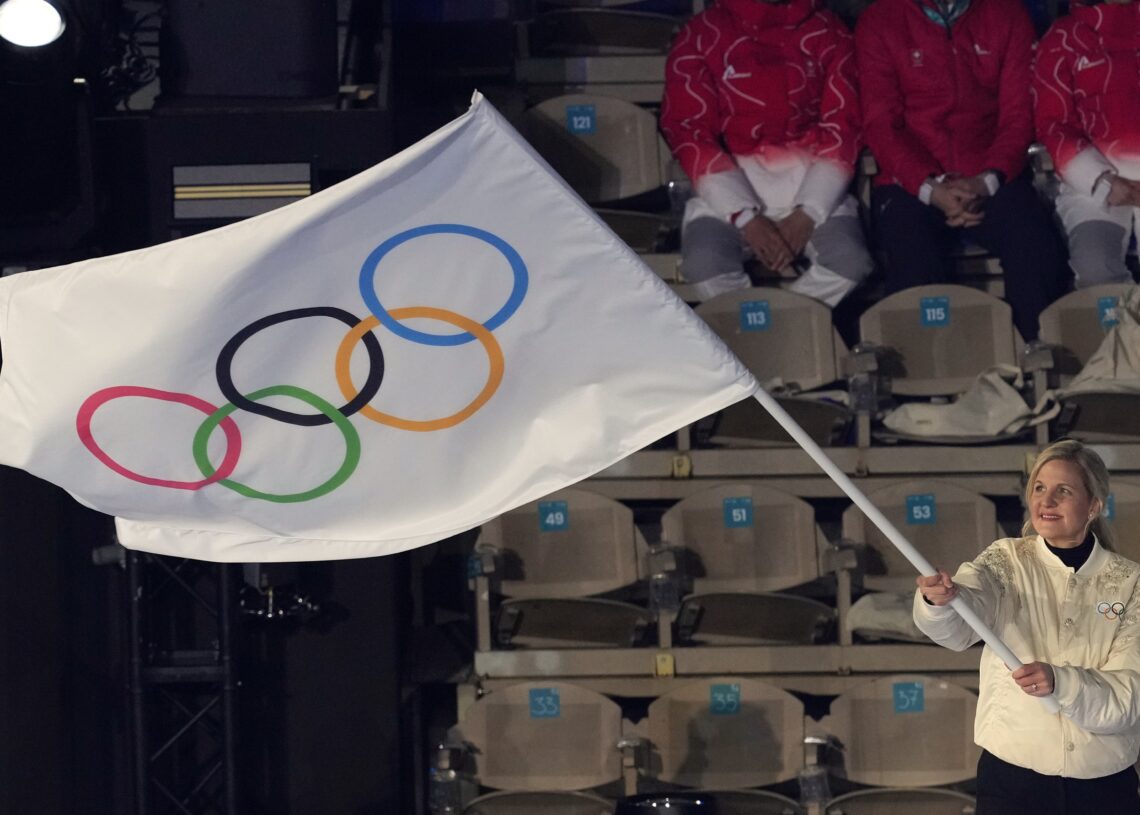
When I was 11, I drew the Olympic rings on a scrap of paper and taped them to my ceiling. Five badly drawn circles on the back of juice-stained homework hung above my bed like a heavenly shrine. At night I fell asleep staring at them. In the morning, before the sun was up, I looked at them again and dragged myself to practice.
I played water polo, which is many things — violent, exhausting, confusing — but financially lucrative is not one of them.
When you are young, that doesn’t matter. The dream does. The rings, the anthem, the village and dedicating yourself to something gloriously irrational. Pay is beside the point, which was convenient, because there wasn’t any.
Ten years ago, my dream came true. I competed at the 2016 Rio Summer Olympics as a member of the Australian water polo team.
This year’s Milan Cortina Winter Games have ended, and basketball’s March Madness is in full swing. College sports were, until recently, the other great cathedral of supposed amateur virtue. For decades, the NCAA sold the same line that the Olympics still does to the vast majority of its athletes: play for love, be grateful for the opportunity, let others get rich. But college athletes are now paid by the system they help make valuable. A mid-tier Division I player in football or basketball can earn $150,000 or more through sponsorships, and now, direct payments.
Olympians deserve a similar deal.
The International Olympic Committee, which reported $7.7 billion in commercial revenue for the 2021-2024 cycle, needs to start sharing a defined percentage with athletes. IOC revenue comes mainly from broadcast rights and sponsorships, and the organization says it redistributes 90 percent to “assist athletes and develop sport worldwide.” But that money moves through a line of bloated institutions: organizing committees, international federations, national Olympic committees and the rest of the Olympic bureaucracy.
In the National Football League and the National Basketball Association, the players’ share of league revenue is protected up front, with roughly half set aside for athlete salaries. With the Olympics, money reaches an athlete only if an international federation or national Olympic committee feels inclined to share it. The only direct funding for athletes from the IOC is through Olympic Solidarity scholarships, a modest program that helped 1,560 athletes train for the 2024 Paris Games, where 599 ultimately competed. $66 million has been allocated for these scholarships for the 2025-2028 cycle.
The freestyle skier Eileen Gu, with six Olympic medals and roughly $23 million in annual endorsement earnings, is proof that stars can thrive anyway. But she is not the right test case. The test is the athlete that is good enough to make the Games, good enough to attract an audience, but not famous enough to earn real money.
Take Keely Cashman, an American Alpine skier who competed in Milan Cortina. Cashman effectively runs a small business to stay in the sport. On her website, she sells merchandise, pitches sponsors and asks supporters to help fund her career, noting that a chunk of her training and travel costs are not covered by her governing body. She is also a barista at her family’s coffee shop in the offseason. That is the reality for too many Olympians: They fashion a patchwork of side hustles and direct appeals just to remain in the system.
What’s more, the Olympics fences off the athletes’ best chance of better compensation. During the two weeks of the games — the only time most athletes get noticed — companies that sponsor athletes cannot even allude to the Olympics in advertisements unless they’ve paid the IOC to be an official partner. Team USA’s Milan Cortina guidance notes that “iconic” Olympic imagery such as a medal or podium are off-limits.
In 15 years of Olympics training, the most I was paid was about 20,000 Australian dollars a year from Water Polo Australia through a government program for elite athletes. No IOC revenue ever reached me directly. My teammates and I were not full-time athletes so much as full-time bankers, teachers, real estate agents and airport baggage handlers. We had to fit 30-hour practice weeks and six months of travel around whatever work we could squeeze in.
I started my own business, and on game days I’d be handling customer support for someone who wanted to tear my head off, hours before getting in the pool to line up against a 6-foot-7 Eastern European who wanted to do the same. At one world championship, with six games in six days, I stayed up past 2 a.m. answering emails.
Change should start with the 2028 Summer Olympics in Los Angeles. A share of IOC commercial revenue should be set aside for athletes. The blackout rules should end so athletes and the brands that back them can speak during the window when the world is paying attention.
The more than 11,000 athletes who will compete in those Olympics deserve to reap some of the rewards from the value they help create.
The post Olympians earn the IOC billions. Guess who it almost never pays. appeared first on Washington Post.