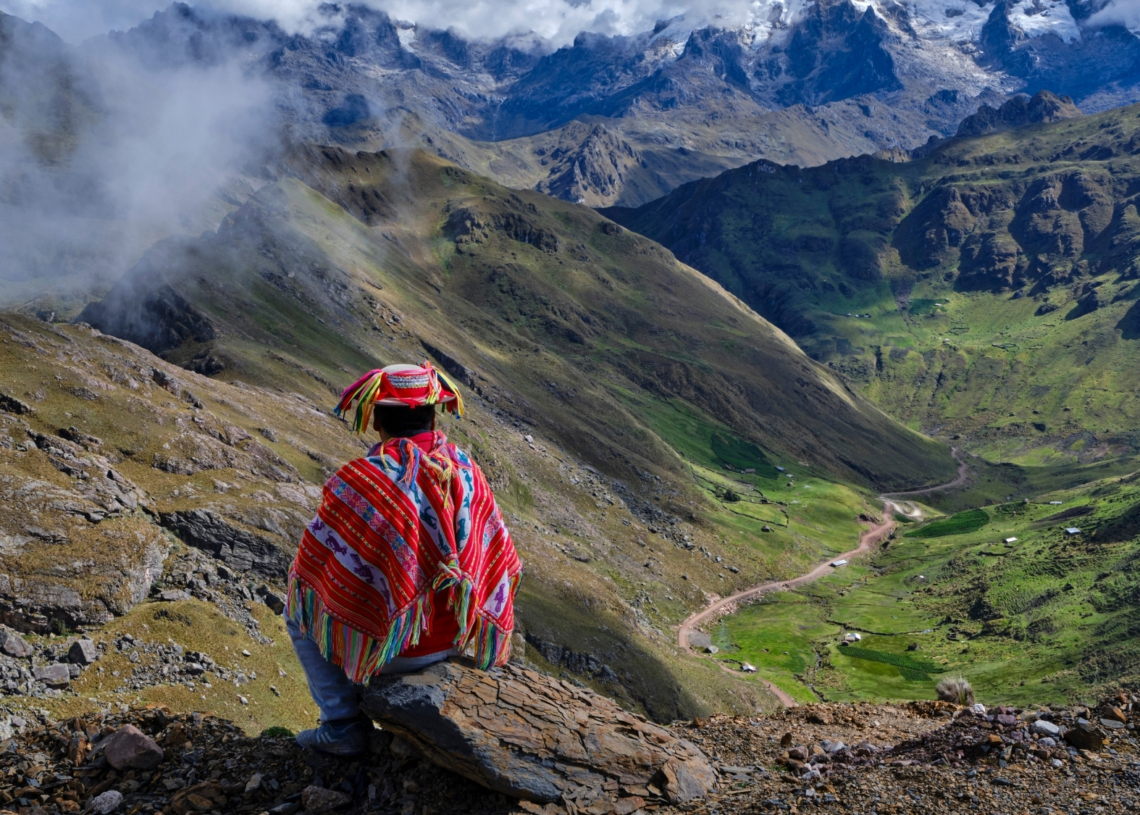
According to a 2015 study published in Molecular Biology and Evolution, and a more recent 2022 study in Chemosphere, some populations in the high altitude of the Andes in northern Argentina have spent thousands of years drinking water laced with arsenic at levels that would typically trigger serious illness or worse. Instead of collectively dying from it, they’ve adapted to it.
In places like San Antonio de los Cobres, groundwater historically contained arsenic concentrations about 20 times higher than the World Health Organization’s safety limit. And yet, people have lived there for up to 11,000 years. That’s more than enough time and exposure for evolution to do some fascinating work by creating small genetic changes that accumulate over generations.
Researchers studying the population identified variants near a gene called AS3MT, which plays a big role in how the body processes arsenic. Normally, arsenic metabolism produces a toxic intermediate compound before converting it into a form that can be excreted. The people in this region tend to produce less of that harmful intermediate substance and more of the safer, excretable version.
Humans in the Andes Have Developed an Immunity to Something That Would Kill Most People
Arsenic exposure is linked to cancer, developmental issues, and death. Reducing the buildup of its most toxic form lowers the risk of biological damage, even when a person is exposed to high concentrations of arsenic.
To confirm the adaptation, scientists compared DNA samples from this Argentine population with those from nearby regions in Peru and Colombia. The protective variants appeared far more frequently in the high-arsenic communities. Natural selection preferred people who could better tolerate the toxin than those who couldn’t. Those who survived eventually developed even stronger tolerance to something that should flat-out kill them in the concentrations that they were taking it in.
All of this means that humans are still evolving, and not in abstract theoretical ways. We’re evolving in tangible, measurable ways that are direct responses to our immediate environments. This level of arsenic exposure would kill most people on Earth today. But given thousands of years of exposure, humans, at least one small sect of them, evolved a way to strike a genetic truce with a deadly poison.
The post Humans in the Andes Are Immune to Something That Would Kill Most People appeared first on VICE.