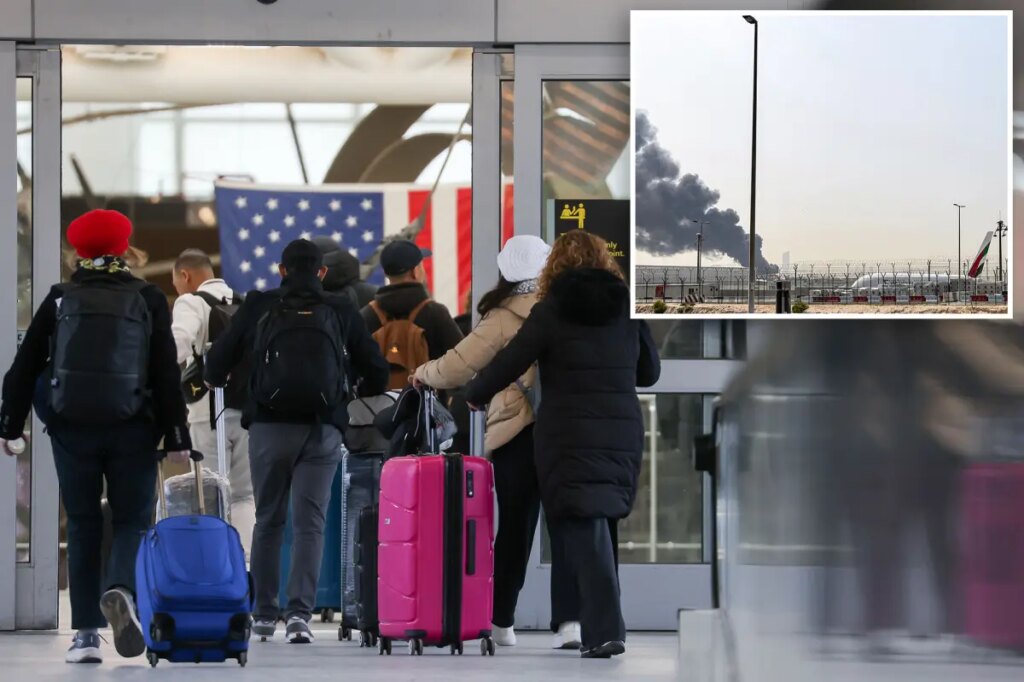
Americans traveling abroad for spring break and the upcoming summer should keep their headson a swivel as global tensions and anti-US sentiments mount across the world, travel security experts warn.
Iranian military spokesman Gen. Abolfazl Shekarchi issued a chilling threatFriday saying Tehran terrorists will now be targeting popular tourism havens as the US and Israel continue their attacks against Iran.
“From now on, based on the information we have about you, even parks, recreational areas, and tourist destinations anywhere in the world will no longer be safe for you,” Shekarchi said of Iran’s foes.
The State Department issued a “Worldwide Caution” for American travelers after hostilities broke out with Iran — and experts said people should take that very seriously even in countries typically friendly to US residents, including by not broadcasting their nationality or talking politics with locals.
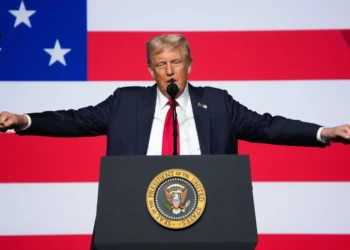
“Global attitudes toward the United States have cooled considerably under the Trump administration, and this shift is influencing how Americans are received abroad,” said Matthew Carvalho, a regional security manager for the travel security firm Healix International.
“The combination of an active US war with Iran, sweeping anti-American sentiment driven by US foreign policy, and a volatile global security environment makes this one of the more consequential moments for American overseas travel in years,” Carvalho said.
The dangers have been on display since the US and Israel bombed Iran on Feb. 28 with a strike that killed despotic Supreme Leader Ali Khamenei, unleashing more war across the Mideast.
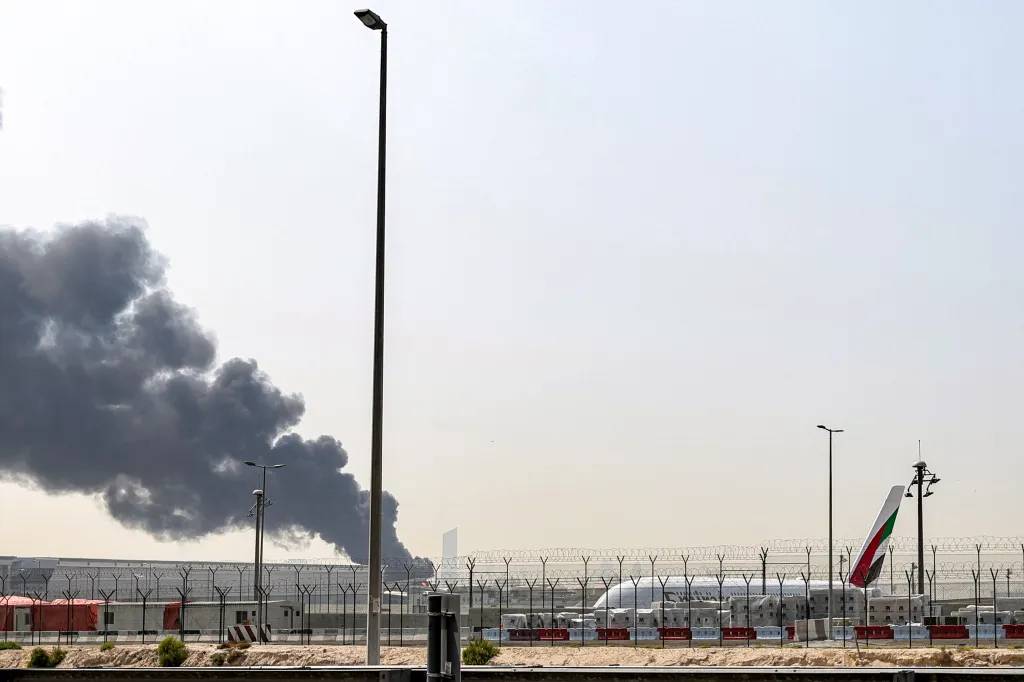
Iran quickly began retaliating by hurling rockets at American interests in the region — with terrifying scenes showing missiles falling across tourist hubs such as Dubai and Israel, and some strikes even landing on busy international airports in the region.
US intelligence has cautioned that Iran — well known for organizing terrorism across the world — could further retaliate with terror attacks or by menacing and even attempting to kidnap Americans traveling overseas.
“The dangers are real but varied: physical danger in or near active conflict zones, social hostility ranging from cold receptions and hostile body language, to confrontations about US policy,” Carvalho said.
The expert advised travelers to avoid swaths of the Middle East altogether while hostilities with Iran remain active but also to be wary of travelling to Russia and Ukraine as the two nations continue to wage war on each other.
Russia — a close ally of Iran — has been known to detain Americans on petty infractions and hold them for sometimes years.
Professional women’s basketball star Brittney Griner was arrested while carrying trace amounts of medically prescribed marijuana in 2022 and sentenced to nine years in a Russian gulag before being freed almost a year later in a prisoner swap.
“Conflicts in the Middle East, Ukraine, and Afghanistan have increased risks for travelers, prompting greater caution around geopolitical tensions, natural disasters and even cyber threats that can disrupt travel plans,” Carvalho said.
But even in more places typically friendly to Americans, travelers should be on high alert and avoid political discussions with locals or broadcasting their nationality, the expert said..
“A recent snap survey shows that seven out of 10 travelers expect US citizens to face more negative perceptions and feel less welcome in other countries,” he said. “These concerns are particularly evident in parts of Europe.”
President Trump’s global tariff campaign has led to boycotts of American goods in numerous European countries, while the world was put on edge earlier this year as Trump ramped up rhetoric about the US taking control of Greenland.
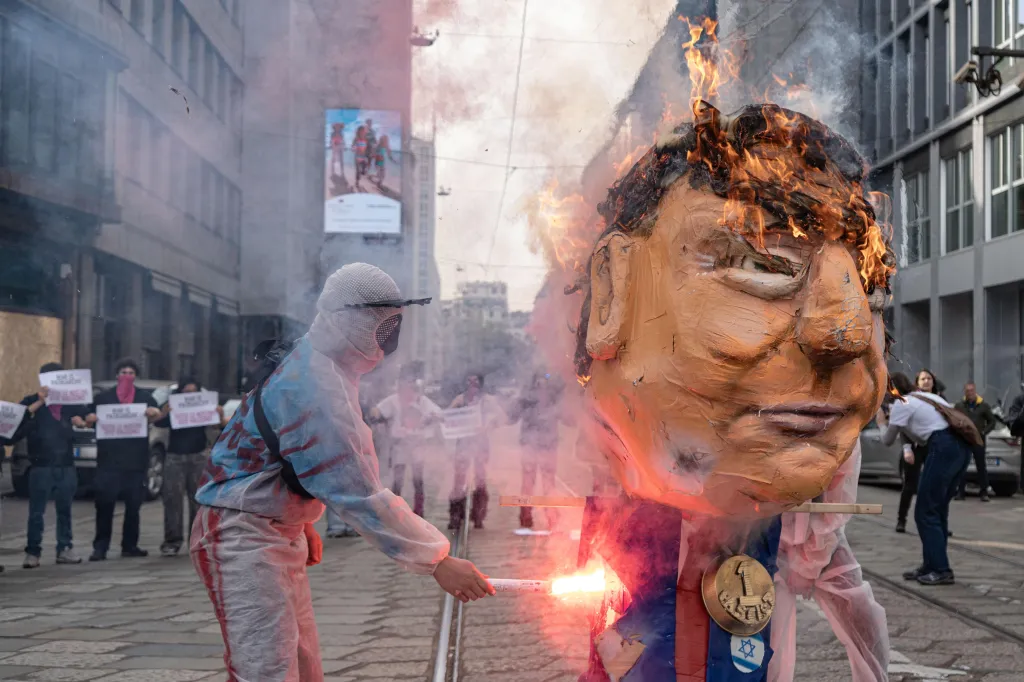
Travelers who come across any protest or demonstration should steer clear, even if its for a cause they agree with, Carvalho advised.
“Anti-American sentiment doesn’t always announce itself loudly,” Carvalho said. “People could express their displeasure through body language, such as avoiding eye contact, a dismissive expression or someone choosing to walk away.
“In more direct cases, travelers may be confronted by strangers who want to argue about US policy,” he said. “Some American travelers have reported getting pulled into repeated political debates with people they had never met.”
The post Is it safe for Americans to travel abroad amid US-Iran war? Experts weigh in appeared first on New York Post.