In D.C. rental disputes, tenants are always presumed to be the victim, even when they’re clearly not victims — or even tenants. The saga of Veronica Hegens, a retired Army major, puts in sharp relief the risk of continuing business as usual.
In 2023, Hegens decided to rent out her rowhouse in Southwest D.C. so she could care for her elderly father. For two years, she rented to Phillip Graham, a participant in a D.C. housing voucher program. He died in September.
Hegens would have had no trouble finding a new tenant, except that she’s stuck with Graham’s live-in girlfriend, Gwen Broadie, who wasn’t on the lease but considers herself entitled to D.C.’s extremely generous tenant protections. When Hegens changed the locks in the fall after the woman refused to pay rent, Broadie took her to court. A judge granted a temporary restraining order allowing the squatter to stay.
Almost six months later, Hegens still hasn’t collected any of the $13,000 Broadie owes in overdue rent. As a result, she’s struggling to pay her other bills and has received a foreclosure packet from the bank. When a pipe burst, and Hegens couldn’t afford to fix it, the city government reportedly fined her more than $1,200.
This isn’t an isolated incident. Last year, D.C. courts had 128 active cases under the heading “Not a Tenant.” That category likely includes the notorious serial squatter Shadija Romero, who most recently managed to parlay a 32-day Airbnb stay into a 10-month nightmare that cost unwitting landlord Rochanne Douglas roughly $20,000 in unpaid rent, legal fees and property damage.
How could someone without a lease possibly stretch things out so long? The city has long had overzealous protections for scofflaws, but the covid-19 pandemic gave cover for activists to jam through “emergency” measures aimed at making evictions for not paying rent close to impossible.
The goal was to protect the vulnerable. The result has made it harder to provide them shelter in the first place.
The “emergency” protections stayed in place long after the emergency ended and caused a full-blown crisis, especially for providers of affordable housing. Small landlords in D.C. lost out on more than $1 billion in rent between 2021 to 2025.
Developers took note. The number of new multi-family units collapsed due to a combination of financial pressure from unpaid rent, rising interest rates and higher construction costs.
Mayor Muriel E. Bowser (D) has pushed for modest reforms over the past two years to streamline evictions and relax other onerous regulations. The D.C. Council passed a watered-down version of her plan in September.
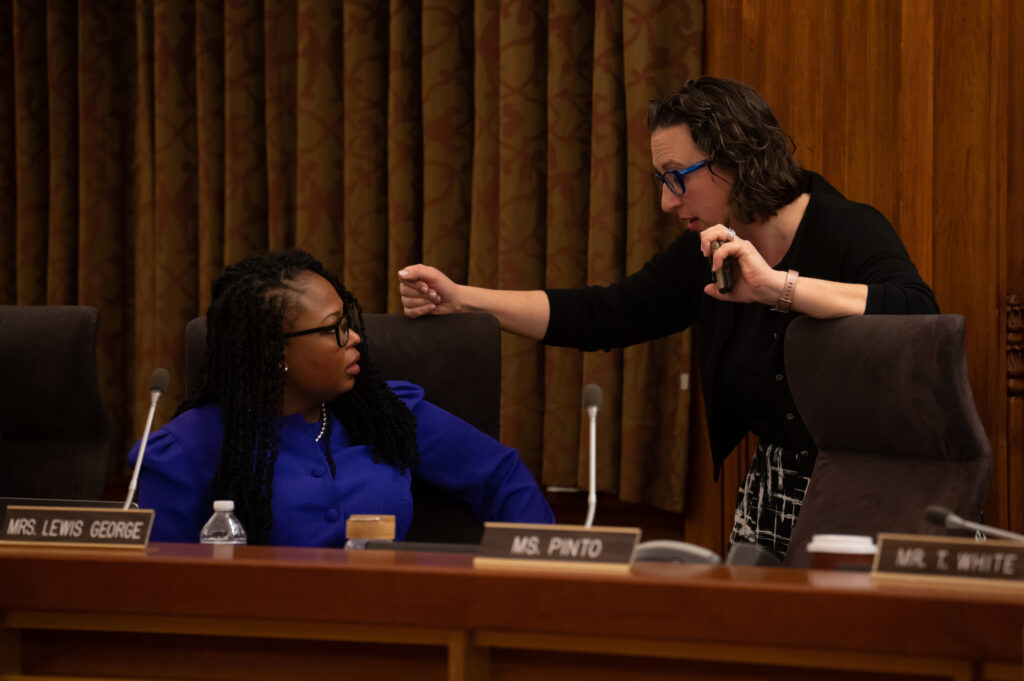
Kenyan R. McDuffie, one of the frontrunners for mayor, was among the 10 members who voted for it. Janeese Lewis George, the socialist, led the trio that opposed reform. “We will not be able to evict our way to affordable housing,” she said.
That mindset reflects profound ignorance about basic economics. Ultimately, the most “tenant-friendly” policy involves making it easy and pleasant to build and rent more property, so that there will be plenty of open housing and willing landlords to compete for their business.
Even after the council’s changes, D.C. remains one of the most hostile jurisdictions in America to landlords. It might be too late for Veronica Hegens, but voters can protect others from suffering her fate by rejecting pandering from politicians who are openly hostile to their property rights.
The post D.C.’s war on renters appeared first on Washington Post.