Prediction markets are on the rise, and ideas have begun flying on Capitol Hill about all the ways to contain them.
That includes everything from preventing insider trading, to keeping lawmakers off platforms like Kalshi and Polymarket, to banning betting on things like the Oscars or the Super Bowl halftime show.
None of these bills are close to becoming law. Congress is still catching up when it comes to prediction markets, and the Trump administration has taken a friendly regulatory approach toward the industry.
But they’re worth keeping an eye on, especially as more Americans learn about prediction markets and as scrutiny over suspicious trades tied to war increases.
Banning insider trading by government officials
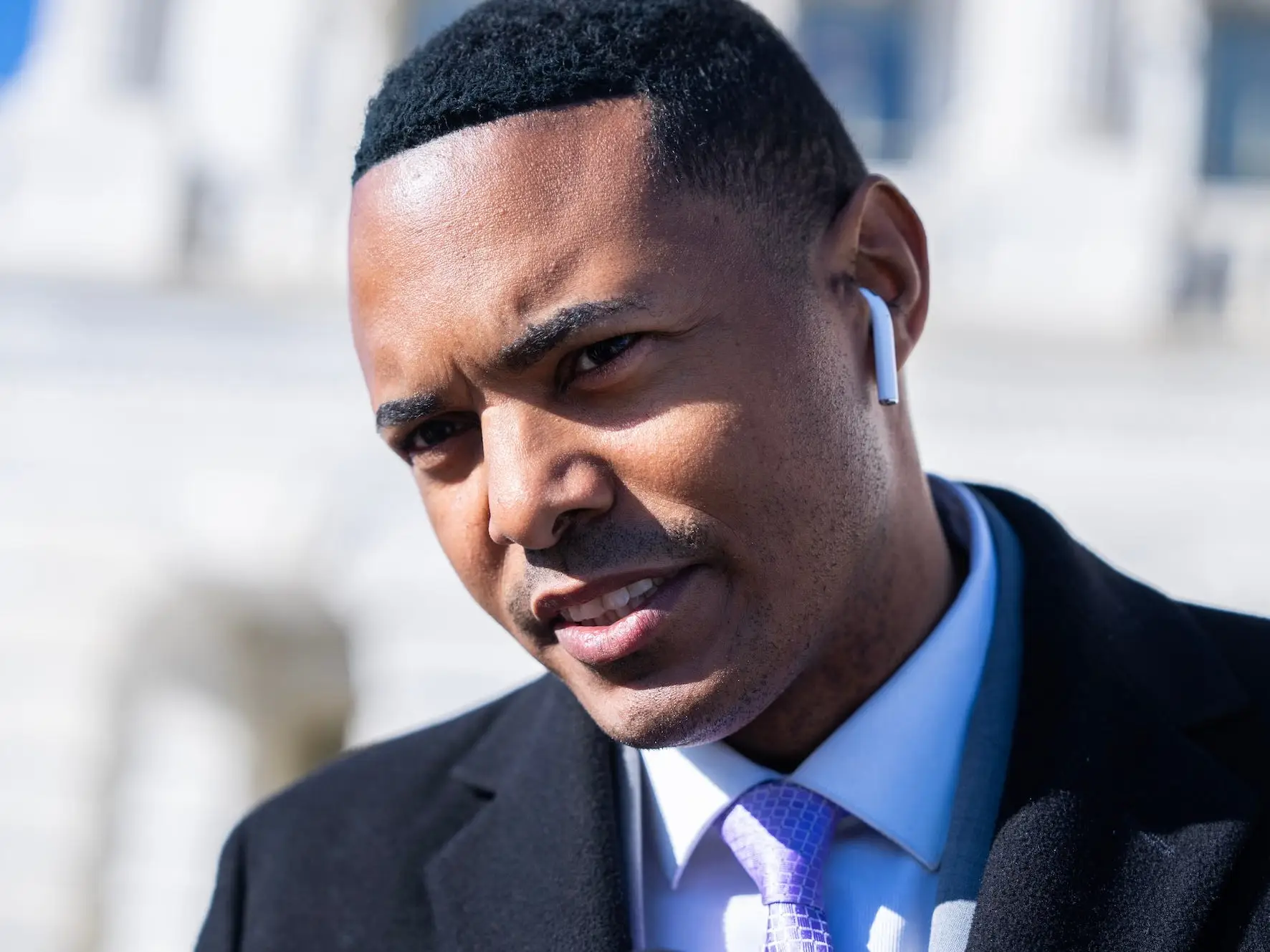
It’s a fairly simple idea: ban insider trading by government officials.
That’s what Rep. Ritchie Torres aims to do with the “Public Integrity in Financial Prediction Markets Act.”
The New York Democrat introduced the bill in January after an anonymous Polymarket user made a suspicious and well-timed trade on the political future of Nicolás Maduro in the hours before the Venezuelan leader’s capture by US forces.
Torres’s bill would ban federal elected officials, political appointees, executive branch staffers, and congressional staff from betting on outcomes when they have nonpublic information related to the transaction, or might be able to obtain it via their official duties.
Torres previously told Business Insider that he sees his bill “not as a ceiling, but as a floor” for prediction market regulation.
Kalshi has expressed support for Torres’s bill and emphasized that its rules already forbid insider trading.
Keeping politicians off of prediction market platforms
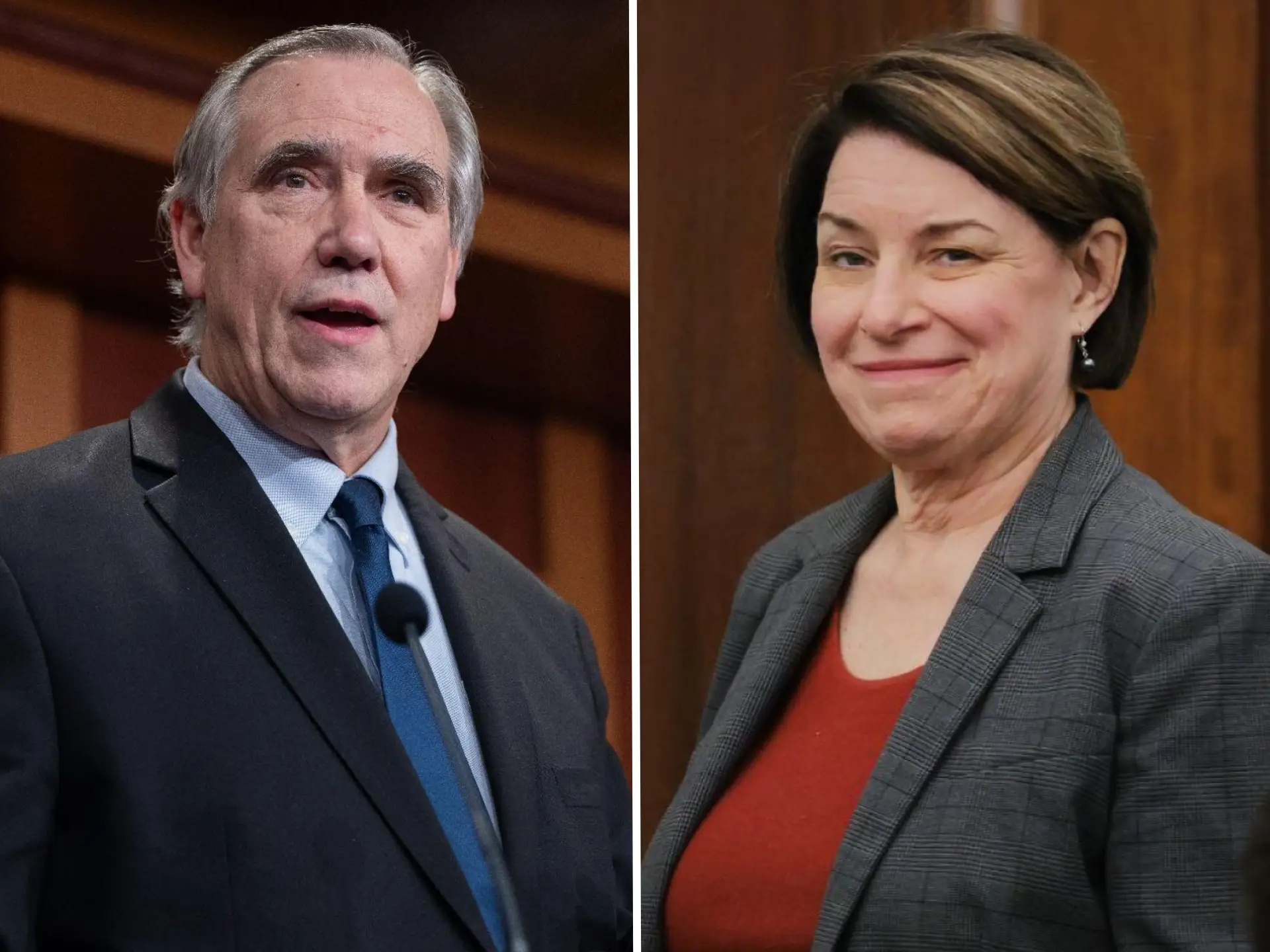
What if we banned the president, the vice president, and members of Congress from trading on prediction market platforms altogether?
That’s what the “End Prediction Market Corruption Act,” introduced by Democratic Sens. Jeff Merkley of Oregon and Amy Klobuchar of Minnesota, would do.
“When public officials use non-public information to win a bet, you have the perfect recipe to undermine the public’s belief that government officials are working for the public good, not for their own personal profits,” Merkely said in a statement at the time.
The bill would also prevent senior executive branch officials from trading on outcomes they’re involved in or have influence over through their official duties.
In an appearance on Stripe’s “Cheeky Pint” podcast, Kalshi CEO Tarek Mansour said it was “not a bad idea” to ban members of Congress from trading on Kalshi altogether.
Banning bets on government actions — and the Oscars
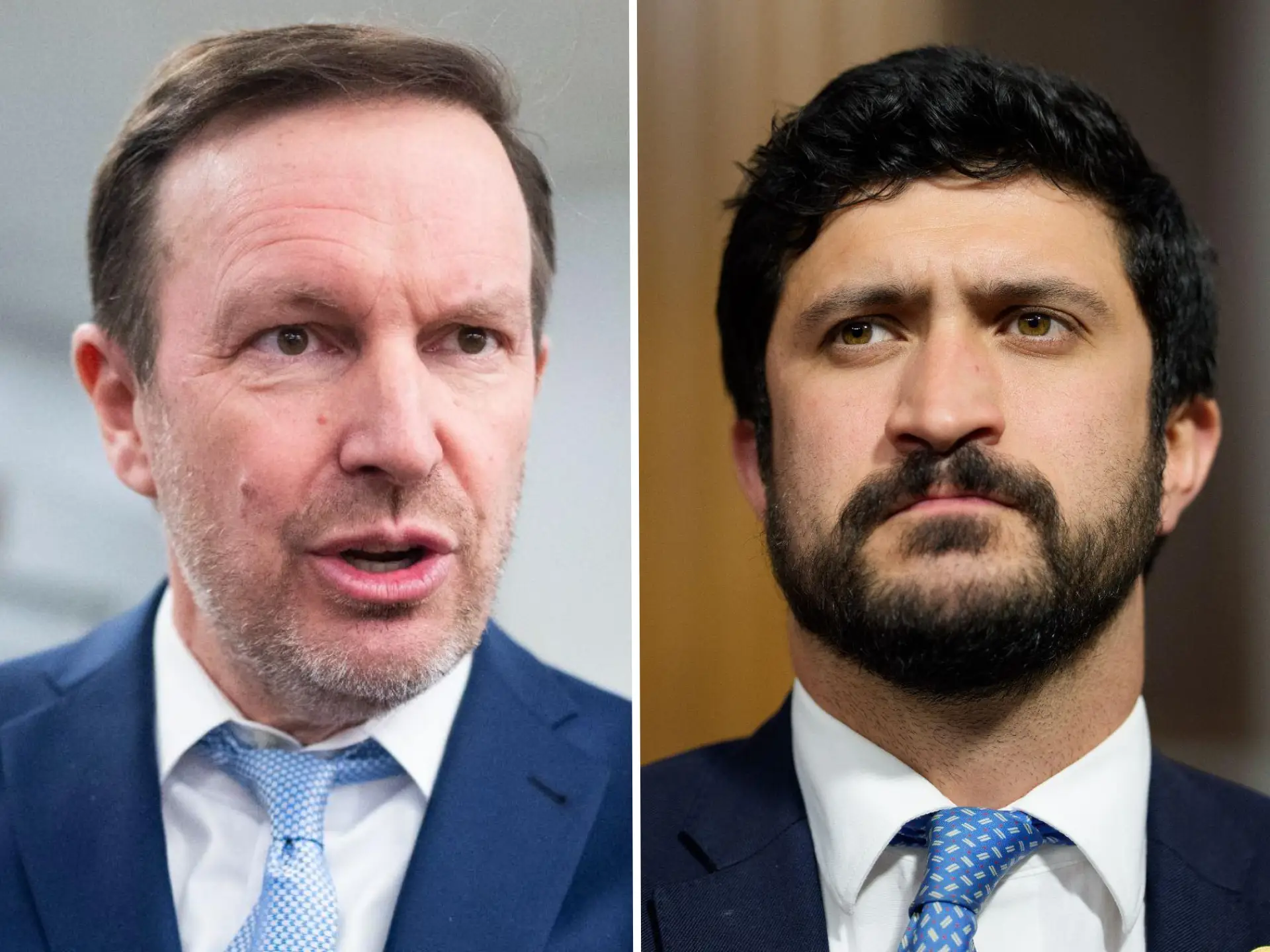
By far the most restrictive bill is the “Banning Event Trading on Sensitive Operations and Federal Functions (BETS OFF) Act” from Sen. Chris Murphy of Connecticut and Rep. Greg Casar of Texas, both Democrats.
The bill would ban prediction market trading on non-financial government actions, terrorism, assassination, war, and any event where individuals know or can control the outcome.
That means not just a ban on war betting, but no more betting on the Oscars or the Super Bowl halftime show.
“When people get on their phone and see these prediction markets, they expect that there are rules to make sure the game isn’t rigged against them,” Casar said. “I think that voters would clearly stand with us, saying we want to make sure that you aren’t betting on a rigged poker game.”
Enacting comprehensive regulation of prediction markets
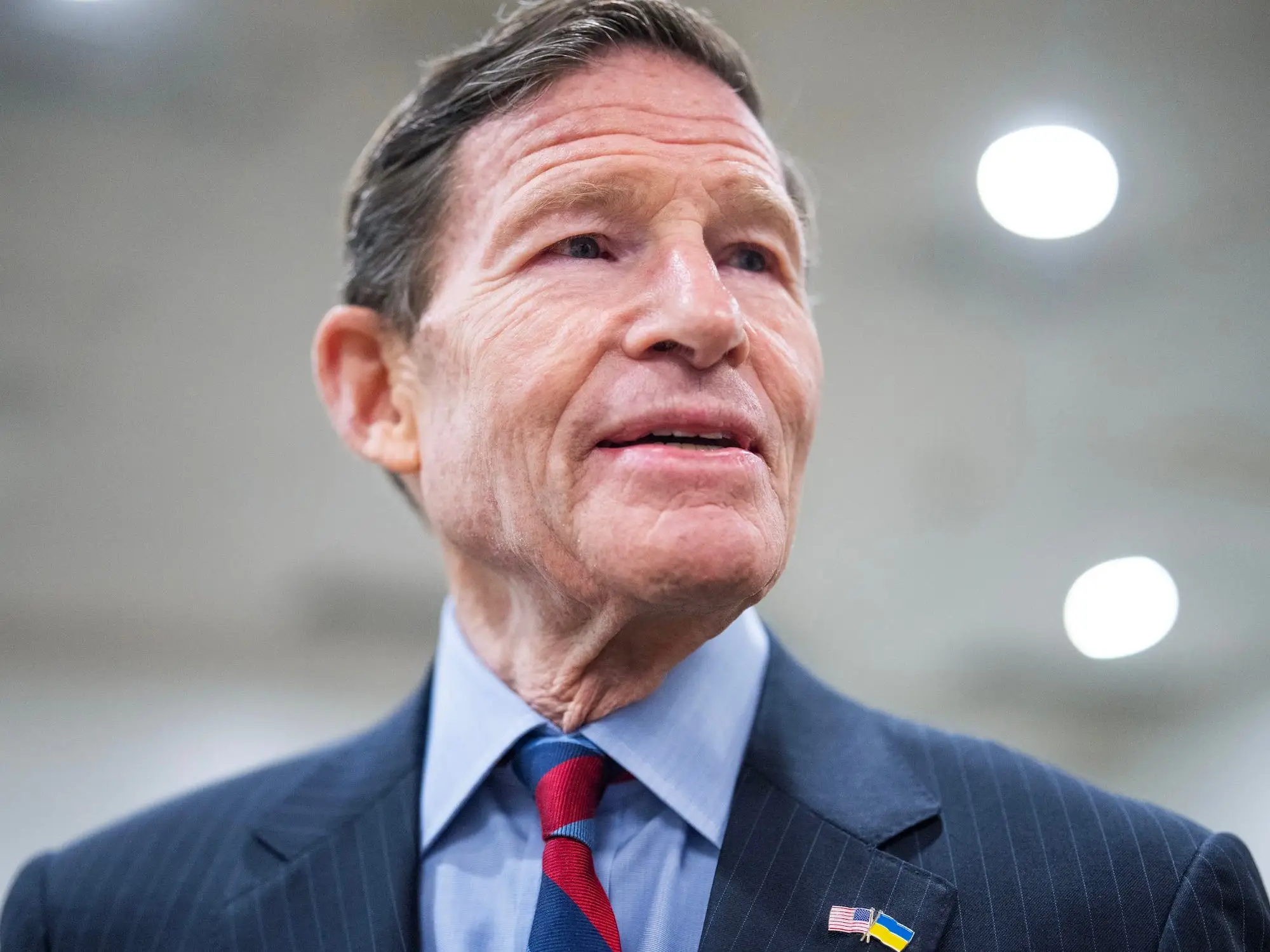
Connecticut’s other senator, Democrat Richard Blumenthal, introduced a bill that includes a comprehensive set of consumer protection measures for prediction markets.
The “Prediction Markets Security and Integrity Act,” introduced in March, includes an explicit ban on insider trading, age verification to prevent people under 21 from using the platforms, and restricting the use of AI to target gamblers.
The bill would also reverse the Trump administration’s move to assert jurisdiction over prediction markets, opening up the platforms to state laws.
Stopping sports betting on prediction markets
There’s an ongoing legal battle between states and prediction markets over sports.
States with their own sports betting revenue streams tend to view sports trades on prediction markets as a form of unregulated sports betting, and some have sued.
The Trump administration has sided with prediction market companies, but it’s likely to be settled by the Supreme Court eventually.
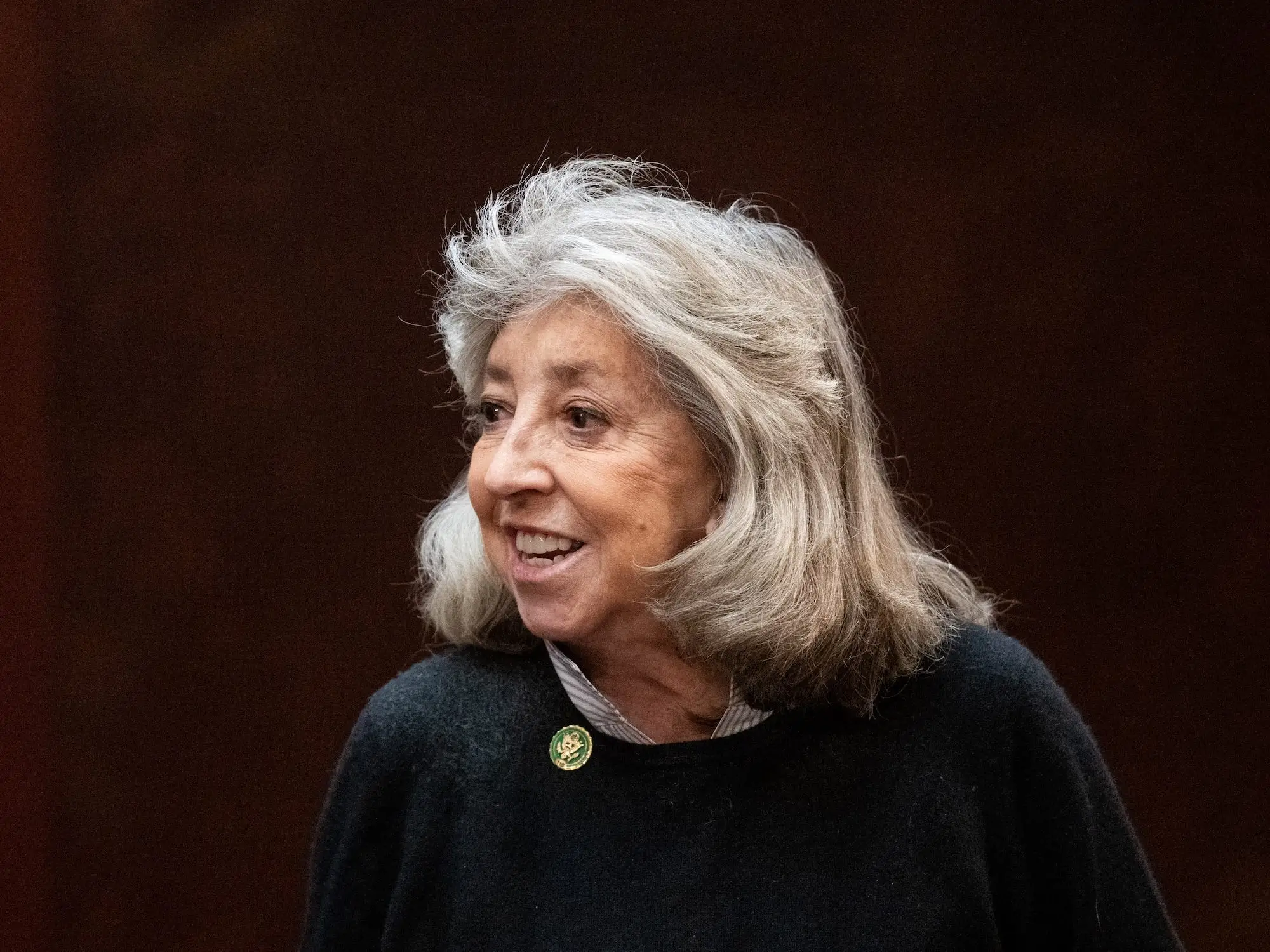
Rep. Dina Titus, a Nevada Democrat, introduced a bill that would intervene in that legal fight by banning sports trades and “casino-style games” from prediction markets altogether.
Banning trading on terrorism, assassination, and war
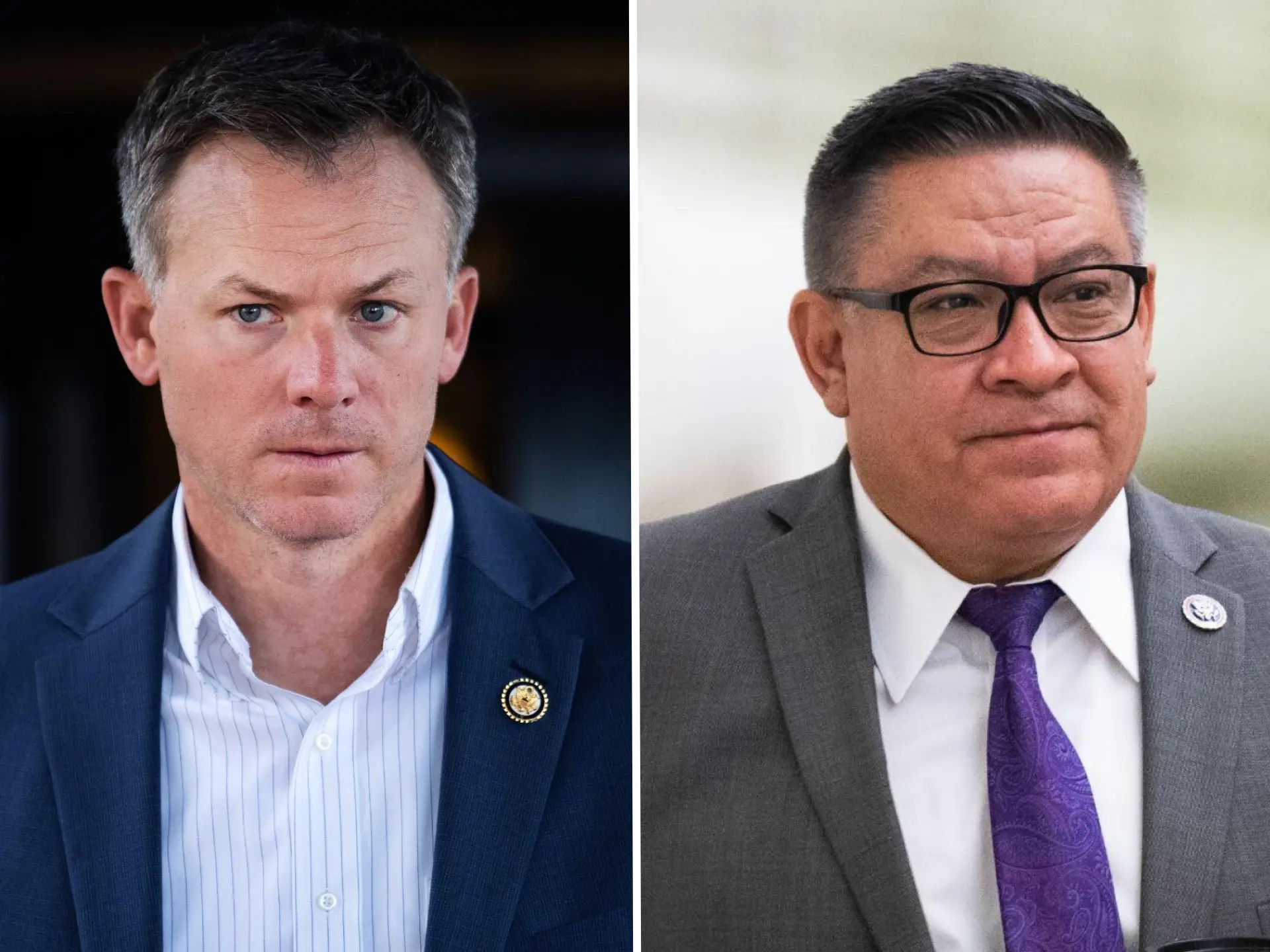
There’s just one prediction market bill on Capitol Hill that’s been sponsored by a Republican: the “Event Contract Enforcement Act.”
Introduced by Republican Rep. Blake Moore of Utah and Democratic Rep. Salud Carbajal of California in March, the bill would simply strengthen existing laws around prediction markets.
Specifically, it would ban trading on terrorism, assassination, war, sports or athletic competitions, and any illegal activities.
Moore said in a statement at the time that he introduced the bill in part to ensure that prediction markets “can continue to serve legitimate business interests while protecting Americans from risk.”
Read the original article on Business Insider
The post Here are the 6 ways lawmakers are trying to tackle the prediction market boom appeared first on Business Insider.