D.C.’s Department of Transportation has pumped the brakes for years in an attempt to sabotage the rollout of autonomous vehicles in the nation’s capital.
In 2020, the D.C. Council passed a law requiring the department to provide recommendations for safely deploying AVs by 2022, including draft legislation or regulations. Department leaders have provided endless excuses but no report.
First, they said they couldn’t meet the deadline because AVs hadn’t been deployed in other cities. After that was no longer true, they blamed Congress for cutting the city’s budget, even though DDOT continued to pay the consultants on the project, which will end up costing more than $300,000 over three fiscal years. That’s a tiny fraction of the agency’s $185.3 million budget in 2025, but the council deserves the report it mandated six years ago.
DDOT Director Sharon Kershbaum now claims a draft is coming sometime this spring, but the truth is that the report has become unnecessary.
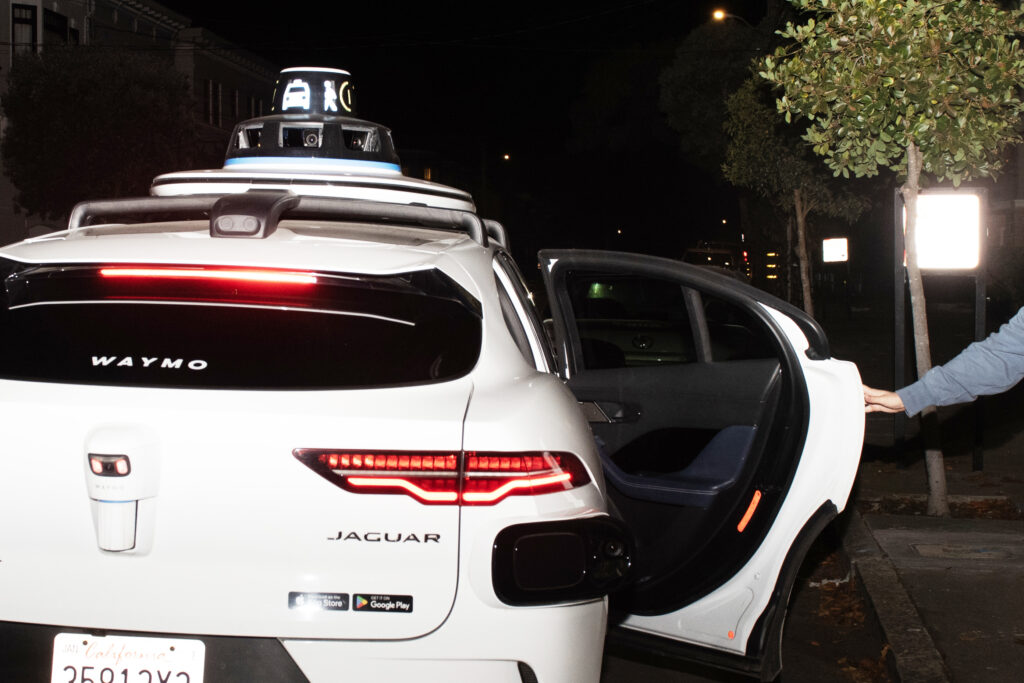
Robotaxis operated by Waymo, the leading AV firm, have logged more than 170 million fully autonomous miles, with a safety record that puts human drivers to shame. (Amazon, founded by Post owner Jeff Bezos, owns a competing robotaxi company called Zoox.)
D.C.’s streets are no more complicated or dangerous than those of Los Angeles or San Francisco, where the company has safely completed tens of millions of rides. Experience in other cities highlights the need for effective integration with emergency services to prevent vehicles from impeding first responders, but this is not a prohibitive problem.
This has become a dividing line in the Democratic primary to succeed Mayor Muriel E. Bowser (D). Former council member Kenyan R. McDuffie introduced legislation last summer to allow self-driving cars. His main rival, socialist council member Janeese Lewis George, opposes doing so.
If the District doesn’t move forward, it risks losing maintenance and support operations to Maryland, where legislators seem friendlier to the idea of letting Waymo vehicles operate. It would be a sad legacy for Bowser if Maryland beats the capital city to the technology of the future.
An internal DDOT memo in November, obtained through a public records request, outlined five options for deploying autonomous vehicles. Continuing the status quo would allow robotaxi firms to map the streets but not test with passengers. “Crawl” would permit testing with a safety operator behind the wheel. “Walk” would allow fully autonomous testing. “Run” would mean full deployment.
The fifth scenario was “imposed deployment” by the federal government. This would entail either congressional action or executive action by the U.S. Department of Transportation to preempt D.C. regulators.
Given these vehicles’ enviable safety record, the city ought to run. Instead, it hasn’t even reached a crawl. Such dillydallying only invites federal intervention.
The post Crawl, walk or run? D.C. stalls on autonomous vehicles. appeared first on Washington Post.