Jamie Fly is CEO of Freedom House. Yana Gorokhovskaia is research director for strategy and design at Freedom House and a co-author of the report “Freedom in the World 2026.”
Even as long-reigning autocrats such as Venezuelan President Nicolás Maduro and Iran’s Ayatollah Ali Khamenei are removed from power, the outlook for the global state of democracy remains highly uncertain.
The year 2025 marked 20 consecutive years of decline in global freedom. That is the major finding of our new Freedom House “Freedom in the World” report, which has assessed political rights and civil liberties across the globe annually since 1973.
A mere 21 percent of the world’s population now lives in a country rated “free” — down from 46 percent in 2005. This decline has been driven by military coups d’état, armed conflicts, efforts by elected leaders to undermine checks on their own power, and autocrats’ crackdowns on the last legal defenses available to their opponents.
After a several-decade hiatus, military coups have once again proliferated in recent years. In Africa alone, nine countries have experienced successful coups — some more than one — since 2019. Beyond the immediate damage caused to democracy by a government’s overthrow, military juntas tend to ratchet up repression over time to maintain power. In Mali, which in Freedom House’s index has lost an astounding 53 points on a 100-point scale since 2005, multiple coups have not only led to an indefinite postponement of elections and the abolition of all political parties but also to widespread harassment and arrest of journalists and the complete undermining of judicial independence.
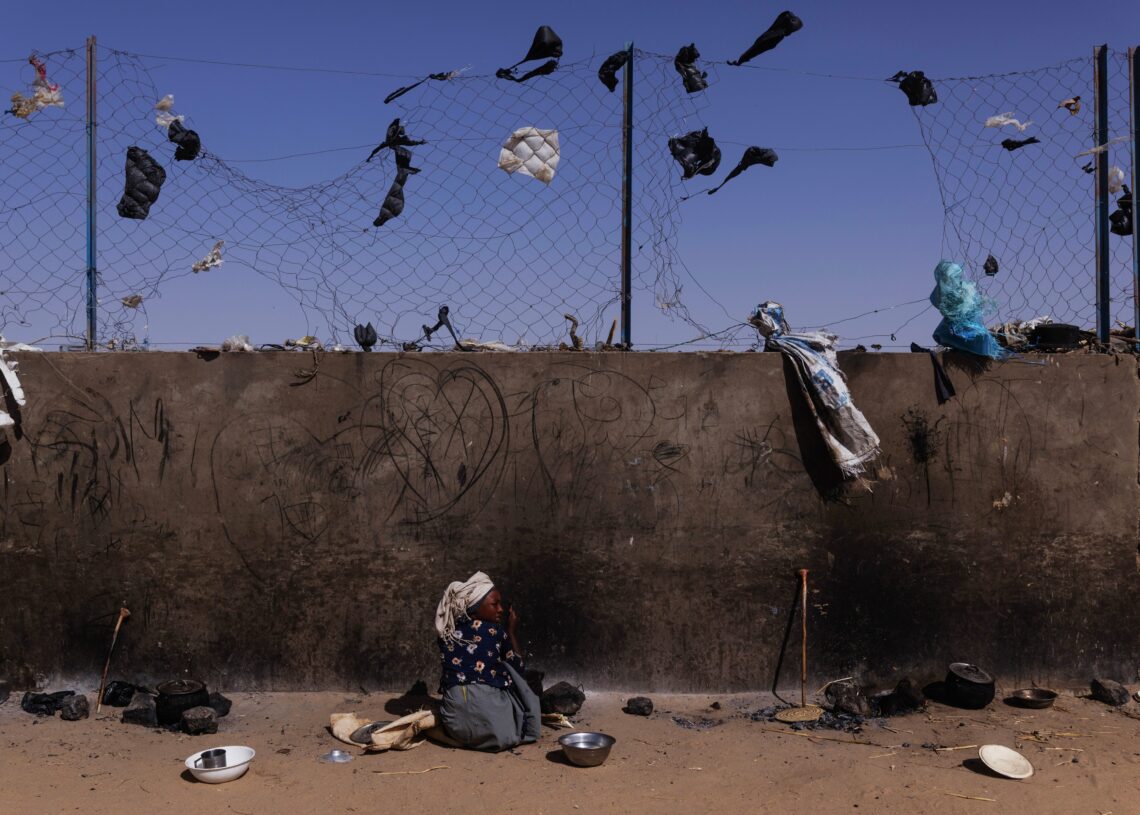
Armed conflicts catastrophically weaken respect for fundamental rights and can affect the stability of neighboring countries. Since 2023, more than 150,000 people have been killed in Sudan’s civil war, which has been characterized by horrific violence targeting ethnic and religious minorities as well as women. The conflict has displaced more than 10 million people and forced at least 4 million to flee to neighboring states, threatening their stability. Today, Sudan is among the least free countries in the world, one of only two to score just 1 out of 100.
While coups and conflicts grab headlines, our analysis shows that an equally potent threat to democracy are elected leaders who seek to undermine checks and balances on their power once in office.
Nicaragua and Venezuela have experienced the second and third largest declines in freedom since 2005, losing 49 and 41 points respectively. In both cases, presidents who won relatively competitive elections eventually brought all branches of government under their control and went on to suppress dissent using mass arbitrary detention, extrajudicial killings and torture — pursuing critics within and beyond their borders. The crises in these countries also displaced millions.
El Salvador seems to be on a similar path toward democratic breakdown. President Nayib Bukele has turned a political promise to address gang-related crime into governance via a perpetual state of emergency, during which he has replaced all members of the Constitutional Chamber of the Supreme Court and the attorney general with loyalists and abolished presidential term limits.
Growing repression in already-authoritarian states has also contributed to the global decline in freedom. Entrenched autocrats, not satisfied with stealing elections, censoring the press and violently dispersing protests, have eliminated guardrails within their legal systems, allowing arbitrary detention and imprisonment of those brave enough to resist them. Officials in authoritarian countries have targeted lawyers who offer legal support to human rights defenders and activists when they face politically motivated charges in court. Gutting due process and eliminating these last barriers to the naked exercise of power often comes after years or even decades of repression.
Two decades of deterioration in global freedom has transformed not only individual countries but also the international system. The number of autocracies has grown substantially, and their leaders have become emboldened, banding together to attack civil society, hollow out international and regional organizations and spread kleptocracy.
Democracies have been resilient but not completely immune in the face of these pressures. Although it has fared better than some democratic backsliders, the United States has seen freedom decline steadily since 2005, including last year, when its score dropped by 3 points because of weakening checks and balances, threats to nonviolent political speech, and deteriorating corruption safeguards.
The U.S. government, once the largest bilateral foreign assistance donor in the world, also withdrew funding and political backing for anti-corruption projects, multilateral human rights mechanisms and international organizations. (Although “Freedom in the World” does not receive money from any government source, those cuts affected Freedom House.) The U.S. was joined in this pivot away from championing freedom by many European governments that substantially weakened their financial commitments to overseas development assistance.
Military pressure on authoritarian leaders alone will not change the global course of freedom. Democracies must act together, reducing economic dependence on authoritarian regimes, confronting corruption and illicit finance and refusing to legitimize coups, rigged elections and other assaults on constitutional rule. They must also reimagine assistance — moving beyond shrinking public budgets to a broader, more coordinated financing model that mobilizes governments, philanthropy and the private sector while focusing relentlessly on protecting fundamental freedoms and strengthening resilient local democratic institutions.
Autocratic rule is by nature brittle. It has failed to deliver prosperity or ensure human dignity. On the other hand, as more than 50 years’ worth of Freedom House data shows, the demand for freedom is universal and unwavering.
Those who live under repression continue to form prodemocracy movements and to protest, at great risk, in defense of their fundamental rights. They require the sustained support of those of us who enjoy the blessings of liberty.
The post It’s a free country — for 21 percent of the world appeared first on Washington Post.