When Allison Yang moved to the US from China two years ago, she noticed that immigrants often talked about their visa status like they were playing cards. The former Chinese journalist and founder of the game studio Reality Reload was at an event in New York when she heard fellow Chinese immigrants talking in confusing terminologies, like playing a Queen, Knight, or Ace. Everyone introduced themselves by words like H-1B, OPT, L-1, O-1, NIW—names of legal immigration categories in the US. With their cards on the table, they could start talking in greater depth about each person’s immigration journey.
This kind of jargon, in my experience, gets passed around a lot in conversations among people born overseas. But to many native-born Americans, even those who strongly support immigration, it can sound like a foreign language, because they’ve never had to navigate the system themselves. That knowledge gap is what inspired Yang (no relation) to make a video game called H1B.Life, which simulates the experience of applying for a US work visa—capturing what it’s like to be an immigrant living under a government that is becoming increasingly hostile to their presence.
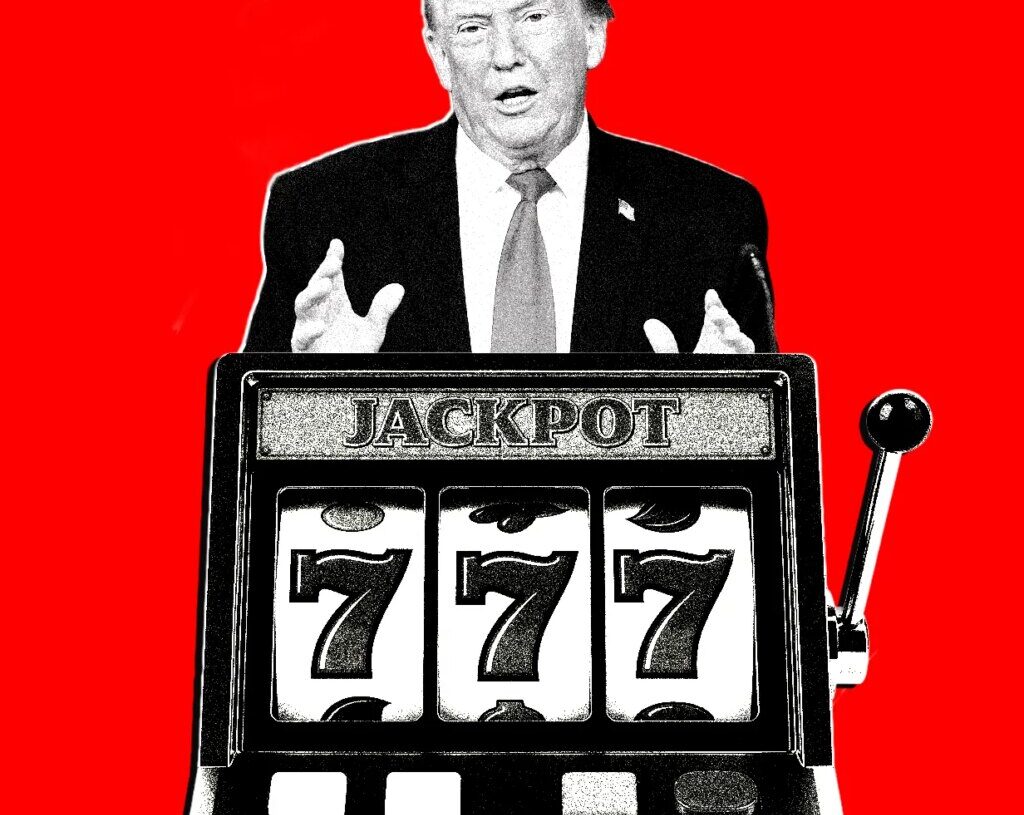
The mobile game, which is slated to be released this summer, is essentially a visual novel that centers around a character who studied in the US and now wants to transition from a student visa to a work visa. Players can choose between a variety of life decisions for their character that will determine her financial situation, social support network, and level of resourcefulness, leading to different immigration outcomes down the line. But it’s not a simple choose-your-own-adventure game. There’s also a slot machine mechanism that generates random world events, such as a terrorist attack or financial crisis—that will significantly change the character’s trajectory.
More than half of the nine developers who worked on the game have either obtained a US visa or tried and failed to do so. Most of them are from China, but the team also intentionally recruited talent from other countries in the hopes of incorporating more diverse immigrant perspectives.
“Everybody knows somebody that’s on a visa, but not all of them are vocal about that part of their identity,” says Andrea Saravia Pérez, an immigrant from Colombia who joined the team in February as a narrative designer. “How can we develop a project that’s interactive and shows people this immigration system that a lot of Americans are not familiar with?”
There’s growing interest across the gaming industry in making political games, says Yang. When her team brought H1B.Life to the annual Game Developers Conference in San Francisco last week, she says they received a tremendous amount of interest and support because they are tackling an important societal issue without expecting to make much profit. (The game was supported by a philanthropic organization and the developers also plan to raise additional funding from a future Kickstarter campaign.)
Yang says she has also heard from people in Germany and Australia interested in licensing or adapting the game for different countries. “The whole world is turning right, and life is getting more difficult for all immigrants,” she says.
“If we can just put people in our shoes, I think it can create a very positive impact,” says Saravia Pérez. “As long as players come to have fun and are able to sympathize and understand it a little bit more, I think that we’ve done our job as a team.”
Technicalities Versus Emotions
The H-1B visa program, created in 1990, is one of the most reliable US immigration pathways for white collar workers with college degrees. In recent years, the program issued about 85,000 visas annually, but since there are often more applicants than slots, a lottery system determines who ultimately is chosen. And if you don’t get it, you have to wait an entire year before you try again. Every person who has gone through the process has their own success or failure story to tell, me included.
The team behind H1B.Life started developing the game by interviewing immigrants. So far, Yang says they have talked to over two dozen people about their H-1B journeys and used those interviews to make the game more realistic and accurate. The biggest challenge now is to figure out how to balance explaining complicated immigration rules accurately and ensuring the game is still entertaining.
Yang’s solution is to portray the emotions that many immigrants have in common. A journalist on the team, who asked to remain anonymous for fear of impacting her future immigration applications, tells me two of the interviews she did for the game left a particular impression on her: One H-1B visa applicant failed to get the lottery five times. When the applicant first applied, the odds of winning the lottery were around 80 percent, but they dropped to as low as 25 percent in 2024, according to official government statistics. Failing to get picked five years in a row sent the applicant into a spiral and made them question their whole life, the journalist says.
Another interviewee the journalist spoke to said that for the longest time, they wanted to own a nice couch, but never made the purchase because they’re constantly worried they would have to leave the US on short notice. “I heard so many narratives like this. People feel that they are losing control of their own lives” because of the immigration system, the journalist tells me.
Blessings From Chick-fil-A
H1B.Life is built around a mysterious slot machine that the character plays throughout their journey. Periodically, the machine shuffles through five different buddhas and delivers the character a random development that will change their life trajectory.
These elements are designed to add a bit of levity in a game that sometimes feels too realistic, says Saravia Pérez. “We’re crafting these moments with ups and downs so that it’s a roller coaster, not a downward doom spiral,” she says.
Every year, hundreds of thousands of immigrants embark on this gigantic gamble that could change everything about their future, and it seems fitting to represent that feeling of losing control through a gamified gambling system.
The sheer uncertainty of the process has led many applicants to seek spiritual guidance or embrace modern superstitions. One of the five buddhas, which resembles a chicken and is named the “Crispy Buddha,” is based on this urban legend among Chinese immigrants that eating Chick-fil-A might somehow increase your visa odds.
The myth likely came from posts in online forums, where people unexpectedly learned they had won the H-1B lottery while eating fried chicken. Every year around April, Chinese visa applicants change their social media avatars to the Chick-fil-A logo, hoping it will bring good luck.
This is an edition of Zeyi Yang and Louise Matsakis’ Made in China newsletter. Read previous newsletters here.
The post A New Game Turns the H-1B Visa System Into a Surreal Simulation appeared first on Wired.