The momentum is with the radicals in France, and that dynamic risks repeating itself in America if politicians keep pandering to the extremes.
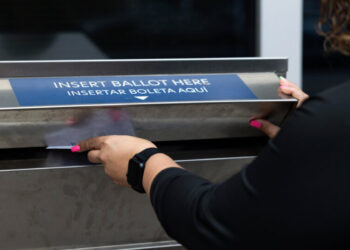
Parties once considered outside the mainstream gained ground over the weekend, as the country held its final major elections before next year’s presidential. All 35,000 of France’s towns and cities held municipal elections, and runoffs will be held Sunday in the 4 percent of them where no one earned a majority.
The hard-right National Rally — which advocates for more economic protectionism and heavy crackdowns on immigration — won in around 60 municipalities, up from 11 in 2020. Louis Aliot, the second most senior figure for the party, was reelected as mayor of Perpignan in the first round of voting, while National Rally candidate Franck Allisio forced the left-wing incumbent mayor of Marseille into a runoff.
Traditionally, runoffs stop the National Rally candidate from winning as the majority rallies behind a more centrist alternative. But that trend has been upended this year by the rise of the far-left France Unbowed. This socialist party campaigns for price controls, nationalizing key companies, reducing the work week, lowering the retirement age to 60 and bringing back a failed wealth tax. On foreign policy, the party calls for withdrawing France from NATO and renegotiating its membership in the European Union.
Many French find this radicalism appealing because they believe their low-growth, high-unemployment reality is a failure of free markets. President Emmanuel Macron won a convincing victory nearly a decade ago promising to open the sclerotic French economy. Attempts to reform the French state and put public finances on sustainable footing have been met with massive resistance, including large-scale protests after he increased the retirement age in 2023 from 62 to 64. Macron’s modernization agenda was largely defeated by opposition forces by an unstable left-right coalition.
France has suffered from economic stagnation during most of Macron’s tenure, averaging under 2 percent annual GDP growth. The pandemic didn’t help. Unable to deliver on the benefits of full-scale reform, a growing number of voters are now willing to experiment with extremism.
Both the far left and far right are proposing tried-and-failed economic strategies that will push France down the path of further decline. The lesson is that it’s not good enough to make the case for freer markets and a more open economy. Politicians need to make the case and deliver better results.
The post France flashes a warning for the U.S. appeared first on Washington Post.