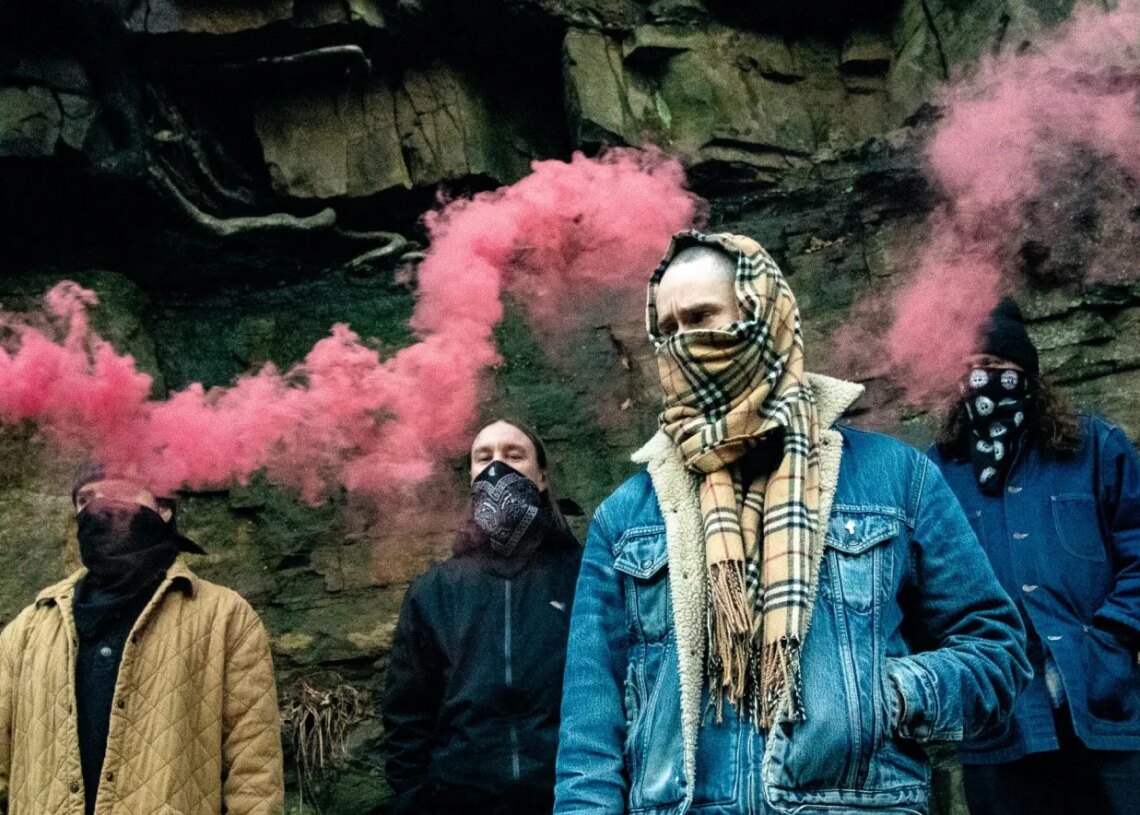
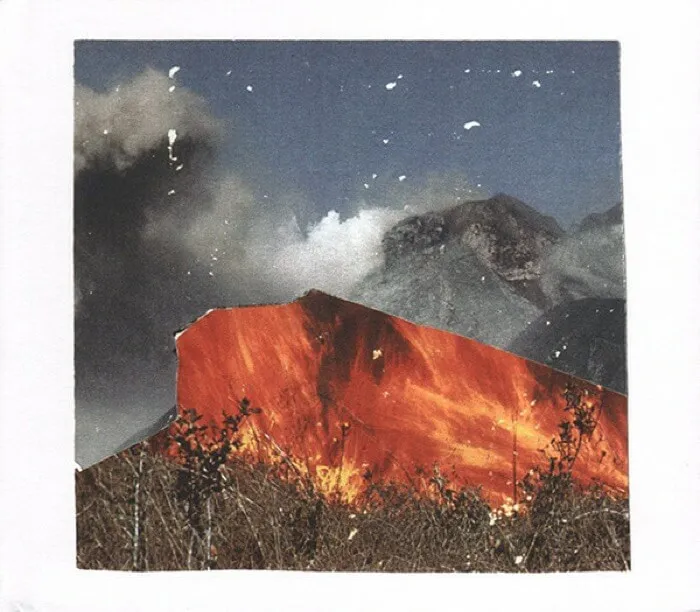
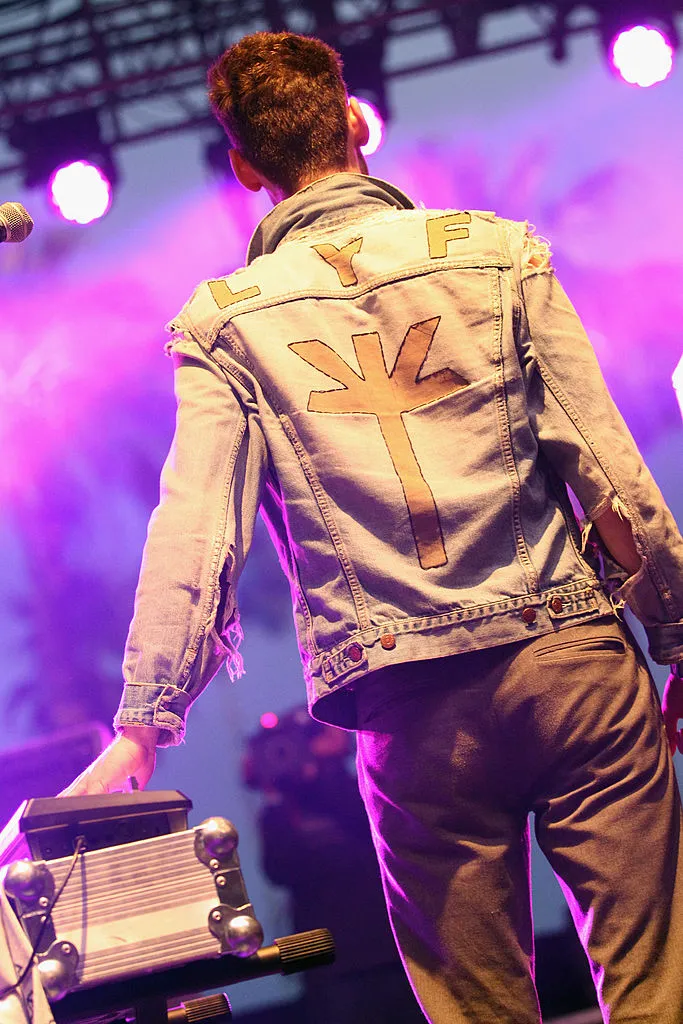
WU LYF have always felt more like a cult than a band. Going by fake names and with their faces hidden by bandanas, the Manchester four-piece was treated like a psyop before anyone used that term. The group hacked its way to success, setting up a kind of fan club—the Lucifer Youth Foundation—and using the proceeds to record its 2011 debut album, Go Tell Fire to the Mountain. But soon its members became overwhelmed by the tension between operating as millennial KLF and making “heavy pop” bangers for a double-denim crowd who liked to take their T-shirts off and wave them around their heads like a helicopter.
The band split suddenly in 2012 when frontman Ellery Roberts posted a previously unreleased track online, along with a letter to his bandmates saying “WU LYF is dead to me.” He went on to form Lost Under Heaven with his then-partner Ebony Hoorn. The other members of the band had their own spin-off acts as well, though none captured public imagination like WU LYF had. In the years since its release, Go Tell Fire to the Mountain has remained a boisterous, singular record—the last bastion of a certain strain of indie rock before it collapsed.
For the last few years, it felt as if a reunion might be on the way, with a tenth-anniversary reissue of the album, as well as the release of a book of archive material and limited-edition cassette demos for a second record that never was. Now, that reunion has arrived.
In 2025 WU LYF released the comeback single “A New Life,” with timely lyrics describing how “the center cannot hold.” The same energy runs through A Wave That Will Never Break, the band’s first album in 15 years, which is being released directly through an online membership model rather than streaming services, as part of an experiment to “put the power back in the hands of the artist.”
VICE caught up with Ellery Roberts and Tom McClung as WU LYF began its European tour in Copenhagen, hosting a listening party where fans could hear the album for the first time. In one of their first interviews since reuniting, Roberts and McClung were funny, insightful, and honest about the band’s past, present, and future, the music industry, and the world at large.
VICE: How is it, being back after so long?
Ellery: It’s been a trip. I find it quite strange we’re doing it. I’m grateful, but it’s not something I really intended to do. It took on a spirit of its own. WU LYF is like this entity that draws us through. It’s quite intense, and there’s an aspect of “is it healthy to be a part of this?” because it brings up a lot. It’s been tough, and we’ve been through a lot in the past year together, but people’s engagement gives us a pull to do it. It’s almost like serving the people, on a level.
Tom: When we first started, we were really good friends. Then, through becoming a somewhat successful band, we lost that initial friendship, and that led to us breaking up. This time around, most of the work was on how to function successfully together as adults. Getting to the other side of that—understanding and accepting each other for who we are now—has been probably the most rewarding aspect of this for me. We’ve never gotten on better.
Ellery: It’s a bit sentimental, but the fact we’re doing it together is already a success. Whatever happens, that’s what I’ll take to the grave—a joy to have reconnected with old friends and really built something together again.
The reunion was announced just after Lost Under Heaven split, but seems to have been in the works for a while, with Bandcamp merch drops and the WU LYF Archives book.
Ellery: Me and Ebony separated, and we had this last song. I wanted to share that before WU LYF kicked off. It wasn’t massively strategized.
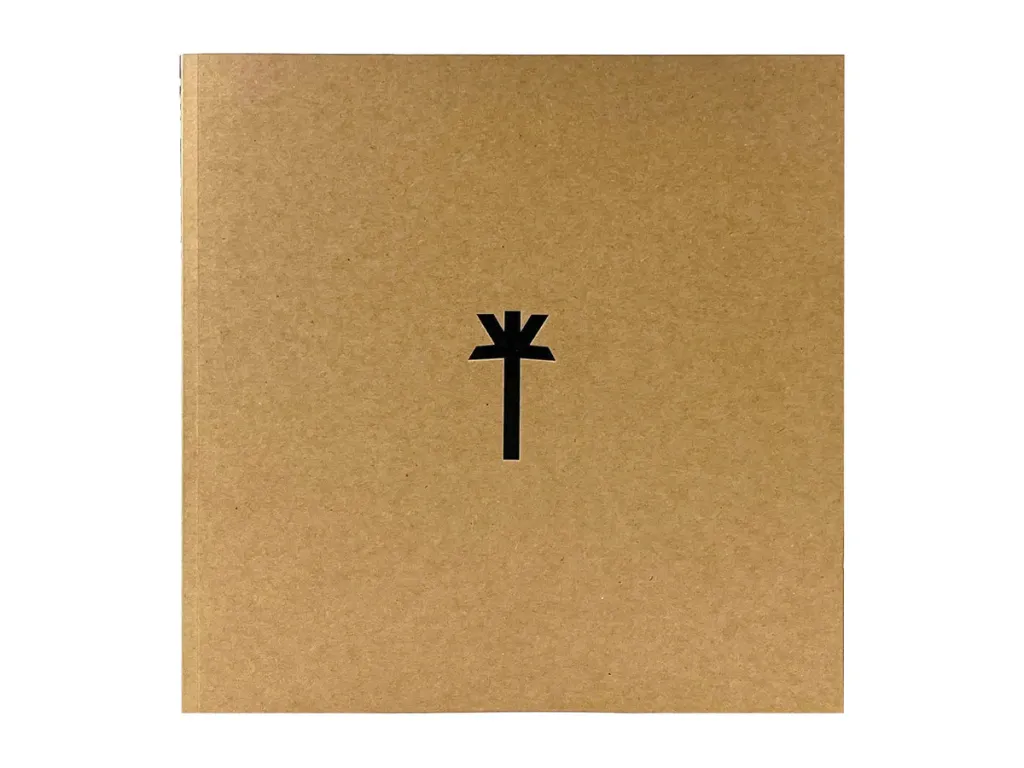
The record had reached ten years and was out of print. People were selling copies for silly money on the black market, so we said, “Let’s reissue the record.” We had this archive of stuff on a hard drive and thought maybe we’d make a zine to go with the record, and it just got bigger. It was like looking through family albums. You only take photos of the good times. You don’t document the bad times. So it helped me reconnect and reframe what we were doing, because I’d turned my back on it completely. I’d tried not to think about it for a decade.
The book gives a fuller account of the split. Could you recap what happened for those who haven’t read it?
Tom: I can say what I feel happened. Ellery was going through a really hard moment, and we watched him become quite alienated. It got to a point where he was compelled to do something to try to make that feeling stop or go away. It had to be drastic, because that’s what you do when you’re in a state of mental distress. You have to be impulsive—to do something external so you don’t do something to yourself.
Ellery: Thank you. It makes it easier to have the frame of where everyone else was. I’d been having this feeling for months on tour, but at that moment I was compelled to do something that had a sense of irreversible finality to it, which included deleting everything and then turning all the passwords into finger mash so nobody could access the accounts—a mad thing to do, because we were locked out for the entirety of WU LYF, so there were no official channels to even talk about the band. I don’t know what I wanted to do other than just change the playing field entirely. But it was very self-destructive and destructive to our already fractured relationships, and it took time to heal those wounds.
You were one of the last great indie bands before the dominance of rap, a genre that seemed better set up for the changing music industry.
Ellery: It started to feel a bit like a pantomime. It didn’t feel real, and it felt deracinated from our DIY roots.
Tom: What’s funny is that we actually were getting somewhere with this next record, but we weren’t able to follow through on it.
Ellery: The joy of the songs, the sense of camaraderie and freedom—it wasn’t there in the unit. Reflecting back, I keep thinking of that Ian Brown song where he makes different anagrams of fear: “False Evidence Appearing Real.” I thought we were a joke. I felt embarrassed, ashamed, even though everyone on the outside was like, “We love what you’re doing.”
Tom: It wasn’t really a thing at the time, but did you feel imposter syndrome?
Ellery: My cousin was sleeping in front of St Paul’s Cathedral during Occupy London, and I went down and stayed with him on the same day as the Q Awards. The contrast was stark. We won the award, and I was just like, this is all so stupid. Now I’d have a different perspective.
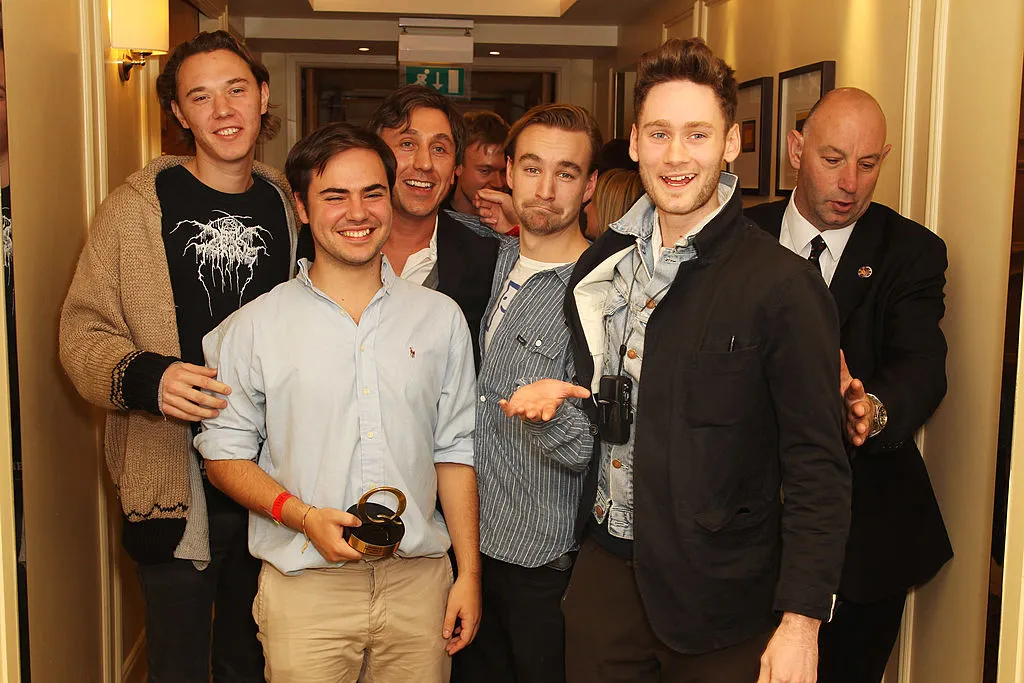
There was a spectacle around the band and a lot of coverage about the role of your manager, Warren Bramley, and his creative agency four23.
Ellery: Warren didn’t conceptualize [WU LYF]. He was just good at helping us present what we were doing. The essence was that we were a really good young band. We had good songs, and we played them well and passionately. That was the light—what people were drawn to. Then there was this existence in the media that wasn’t reality.
Tom: It was like there was some kind of conspiracy. They totally discounted the whole MySpace generation and the rapidity of information being distributed. We were lucky because lots of people shared it. The marketing was our image that we created, which sold itself because it could be passed around.
Ellery: The story became overbearing. The bands we all loved and respected were like Fugazi—DIY post-hardcore bands. Ian MacKaye came to our show in Washington, and when I was chatting with him, I felt like a phony compared to what they were doing.
Tom: He was very gracious. I don’t know if he liked it, but I remember we came off stage and everyone was chanting for us to play “We Bros,” even though we’d already played it. And Ian MacKaye was just stood there like, “You know they’re cheering for you. Go out there and play.” That’s the heart of it—even if he’s a punk stalwart who’s insanely rebellious, he’s still a showman and an entertainer.
The NME’s Matt Wilkinson talked about noticing your influence everywhere—obscure PR photos, acronym names, zero press interviews… Was there a time when you’d look at someone like maybe The 1975 and think “this could have been us?”
Ellery: The 1975 took influence from all the stuff I resented and turned it into a squeaky-clean package and became massive. They were like the parody of the parody I was trying to get away from. I saw a bunch of things over the years, but everything felt really naff.
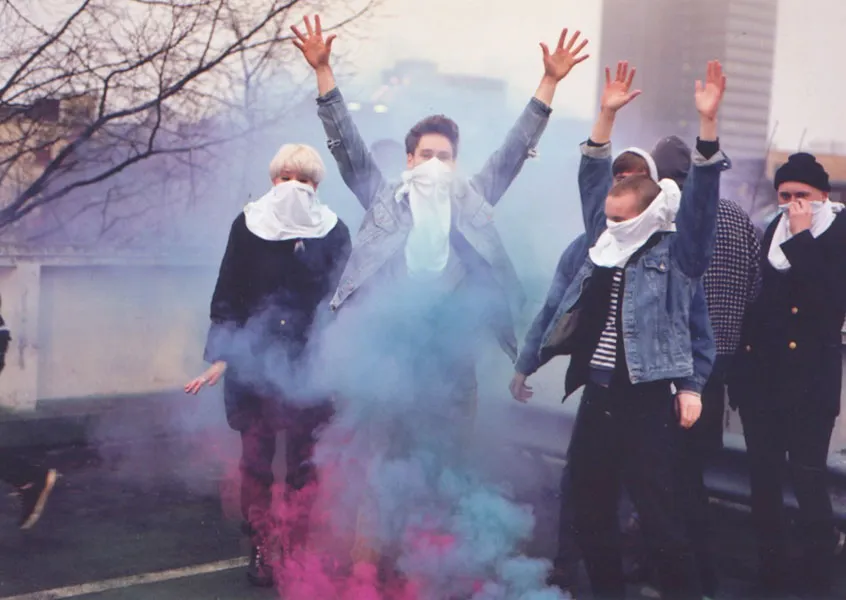
The mystery became a whole thing, but it was just because of that one press photo that went everywhere where we had the white bandanas on. Susan Sontag talks about camp as when something is done with such naïve sincerity that it becomes theater and spectacle, even though that’s not the intent. WU LYF is quite a camp band in her definition.
Tom: That’s definitely going to be the quote.
I was aiming for something like “WU LYF walked so EsDeeKid could run.”
Ellery: EsDeeKid—definitely a big WU LYF stan.
The way you found your sound by drenching everything in GarageBand reverb, there’s almost a connection to SoundCloud rap.
Ellery: On that last WU LYF tour, I was mostly listening to what became known as SoundCloud rap before it really had its identity and name. I saw Yung Lean playing in the Netherlands quite early on. Lil B. Death Grips. Similar spirits, like teenagers making what they can with what they’ve got.
The whole idea of WU LYF being a collective, a media experience, which seems more like something from rap than from indie.
Ellery: The only book on the music industry I’ve ever read is RZA’s The Wu-Tang Manual, so that’s where I was getting a lot of my advice from. I was talking with my friend the other day about how a lot of black hair products aren’t from black companies—it’s about owning the means of production and providing for your community. Hip-hop has that attitude, coming out of the socio-economic and racial background of America. I’ve always had a lot of admiration for that.
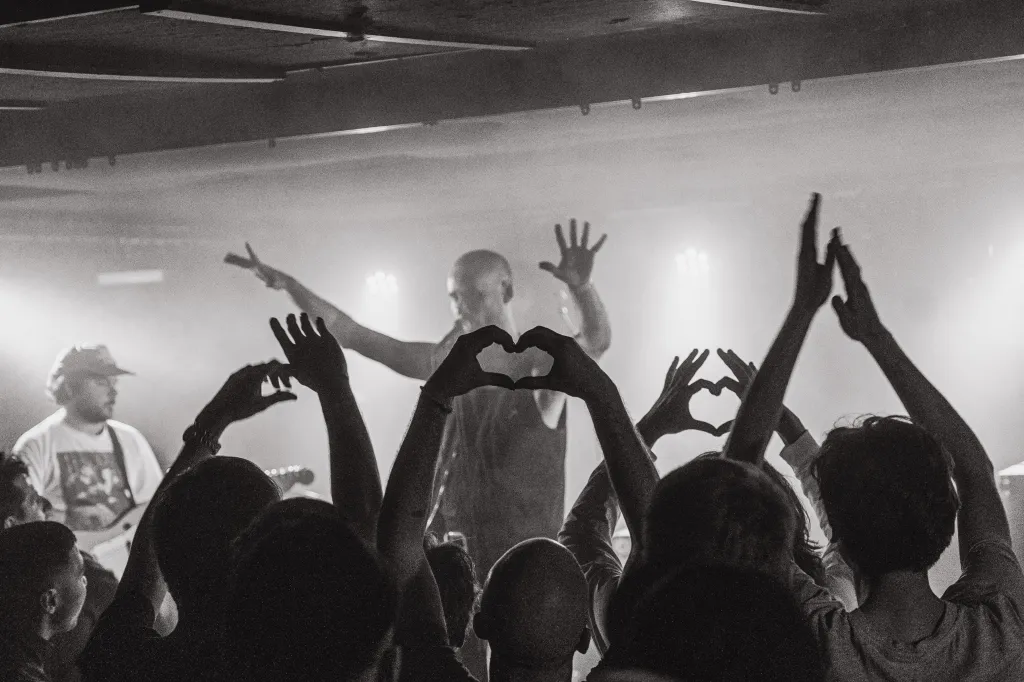
With taking your music off streaming and doing a membership model, it must feel like technology’s caught up with your initial aspirations.
Tom: With the dusk of streaming, artists and consumers need to reengage with music in a much less passive way. It’s nice to have a mission, even though it’s an incredibly difficult one.
Ellery: Passivity, infinite choice, the drive for novelty all the time—we have a culture that’s massively destructive because it’s always pursuing the next thing rather than having any depth or substance. For years, everyone I know in the music industry has been like, “Spotify is a nightmare.” This algorithm game is complete nonsense, a sucker’s game in a corporate construction that has nothing to do with the art. There are all these things in culture that are corrosive and harrowing for the spirit, but you do them because they’re convenient.
Tom: By taking the music off Spotify, we removed a metric from our personality as a band. So many opportunities are calculated using those metrics. Festivals won’t book you unless you have X amount of monthly streams. So we take that away from them. We don’t have an official Instagram—that’s another thing we’ve taken away from them. We’re still getting booked for things, and it’s based on something else. It’s old school, really. If you went to play Woodstock, it was because people heard your record and there was talk about you.
“By taking the music off Spotify, we removed a metric from our personality as a band”
We seem to be living through a collapse of celebrity, which means a reconfiguring of the relationship between the artist and the audience.
Tom: We’ve enjoyed not having so much distance. We have a WhatsApp group with dedicated followers. We did a listening party here yesterday and were all sat in the same room together listening to a thing we’d made. That sort of casual nature is extremely rebellious. It’s important to remove hierarchies, because they’re reflective of so many other destructive structures.
Ellery: It’s that hierarchy even between the terms “fan” and “band.” What interests me about doing it now in our mid thirties is that we’ve accumulated a lot of life experience, and that’s the lifeblood of real connection. The WhatsApp group is like being in my family chat—just people sharing things and reflecting. I’d like to encourage that more and more.
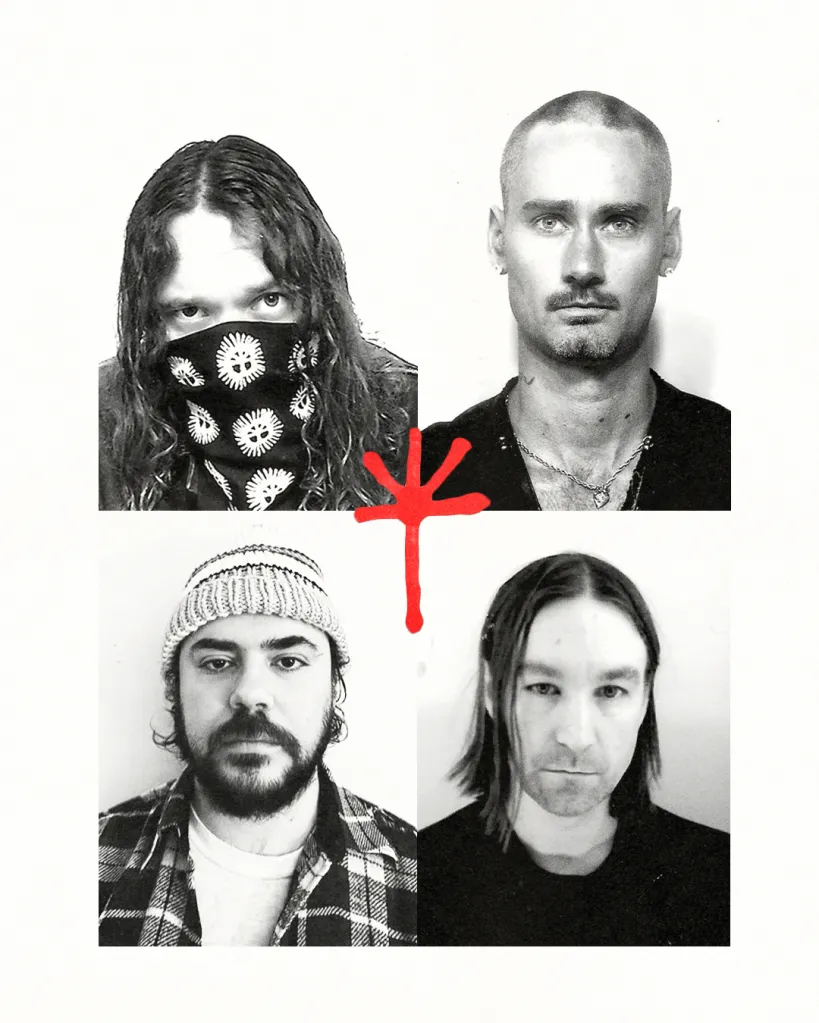
Tom McClung
The new record has a darker edge. Is that intentional? A reflection of the times we’re living in?
Tom: We did sessions for an entirely different album—much poppier songs. They’re really good, and they’ll probably see the light of day eventually. But there was another thread that felt more indicative of how we were feeling about the state of the music industry, the state of the world, our current mental state, and our relationships with each other. So we followed a darker path, and I’m glad we did.
Ellery: Me and Ebony were away from the world and sort of living in a romanticized fantasy existence. Coming back, the record grapples with the sense that life doesn’t work out the way you think it’s going to or want it to, and you just have to face the world you’re in and keep the spirit alive within it. The last track on the record, “At the End of the Day,” is one of the best songs we’ve written. Certain things like that act as a guiding light. It’s quite oblique in a way, really honing in on the present moment, whatever that may be.
Tom: We met a guy in a pub who wouldn’t stop saying “at the end of the day,” and it made us laugh so much. There’s a certain finality to it that we found hilarious. It kept coming up like a stupid catchphrase. Then it was like, “What if we put it in this song?” Those funny, ridiculous ideas actually have a real purpose. My ex-psychologist used to say to me, “You only have repetitive thoughts because they’re useful.” Songs are closely linked to these thoughts that help us process things, even if they seem hilarious at the time.
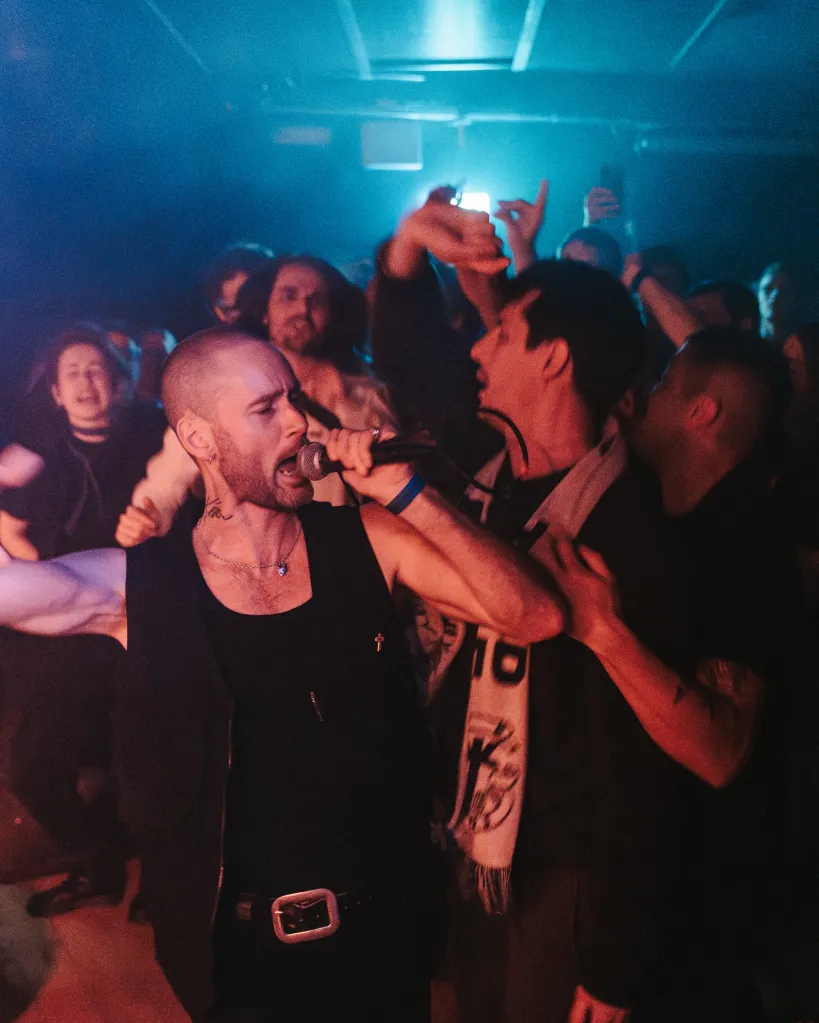
It’s funny you returned at the same time as Oasis—I saw a tweet the other day about how “the rise of Oasis coincided with the death of a fertile Manchester music scene.”
Ellery: That’s what I felt when we were coming up. There was great music in the past, but nothing felt alive because everything was in that kind of post-Oasis era. The Courteeners—are they even from Manchester?
Tom: Technically, yeah.
Ellery: Corporate rock schlock. I never liked Oasis when I was younger, but I watched the Supersonic documentary and got the humor. I really like Liam Gallagher as an entity. When they were playing in the city, it was like England had won the World Cup. Everyone was so happy. Bless them all—enjoy it.
The rise of Oasis coincided with the death of a fertile Manchester music scene. Nobody talks about a Manchester music any more do they? It’s devolved into homogenous corporate slop dished out in massive branded aircraft hangers, all that’s left is reanimating past glories https://t.co/P6bagnt4mO
— uncle Monstrous Carb (@lowerformofwit) March 1, 2026
You mentioned glorymaxxing on stage while introducing the new song “Robe of Glory.” These looksmaxxers seem lost, so I’m wondering what WU LYF can teach the children?
Tom: More like what they can teach us. Listening to the people around you, building a community, not dictating what they should be doing. Maybe if we influence other artists, we can help put a different value on music—a value we were used to growing up with. I’ve started to think of music like food. At a restaurant, you pay for the food and the service, and you’re in that place. That’s how it used to be—you had to go somewhere, buy the thing, and then it was yours to consume. Now it’s like we pay the restaurant a paltry sum every month, then go and eat for free. It’s completely ridiculous. How is the chef supposed to buy the vegetables to make the stock? He can’t afford it. It’s important to teach a younger generation about the value of art and culture because it will be stripped more and more from us as time goes on, and we have to constantly rebel against that.
“There are clout demons pursuing all this absurdity, and they’ll reap what they sow”
Ellery: I feel quite good about the young kids these days. There’s a big pushback from people who’ve grown up as digital natives but want something different. There are clout demons pursuing all this absurdity, and they’ll reap what they sow, end up in a weird world, and learn a lesson from it. You can’t teach anyone anything—just live your life, and if there’s something you’re doing well that’s admirable, maybe someone notices. We’re at the beginning of a very tumultuous time. We’re just at the water level of the iceberg—there’s a huge depth still to go. Whatever the human future is, there will be very different paths taken. Some people will follow a transhuman, techno-futurist path, and others will return to small-scale communitarian living. I know what I’m drawn to and how I’m going to live my life.
Wu Lyf’s second album, A Wave That Will Never Break, comes out on April 10.
Follow Adam on Instagram @yungtolstoi
The post WU LYF Lives: The Return of Indie’s Most Enigmatic Band appeared first on VICE.