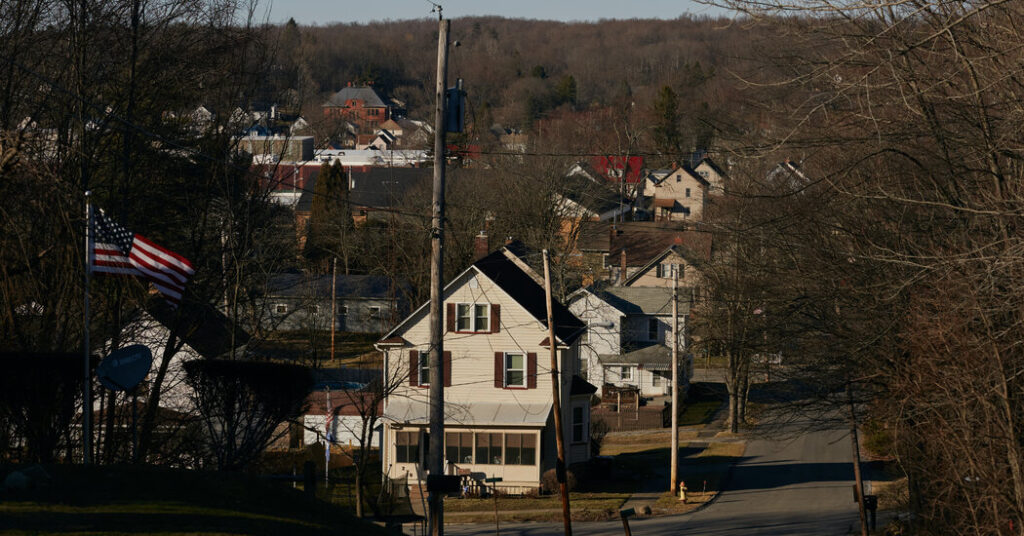
Three years ago, a Norfolk Southern freight train carrying toxic chemicals derailed and caught fire in East Palestine, Ohio. Fearing a catastrophic explosion, responders conducted a controlled burn of the cars carrying the chemical vinyl chloride, a human carcinogen, unleashing a black cloud into the skies.
In February, a new federally funded research initiative started looking into the health effects of the disaster. At the project’s kickoff events, residents of East Palestine described ongoing skin irritations, headaches, coughs and fatigue. Some said they avoid the downtown, which is close to the crash site, because visits cause their symptoms to flare. Several people blamed the crash and the chemicals released by the controlled burn (which federal investigators later deemed unnecessary) for their pet dogs’ deaths from cancer. Many want to move away but don’t have the money.
Others around town whisper that the residents who believe that the toxic cloud made them sick are imagining their symptoms, or are trying to game the system for money. Some worry that focusing on the derailment pollution prevents economic investment in the town. Who would want to buy food from their farmers? At a community meeting, someone wondered if the Covid vaccine set off the reactions to the spilled chemicals.
The wide-ranging suspicions being voiced in East Palestine mirror what we hear as hosts of a podcast that explores the breakdown in Americans’ trust in public health, medicine, science and one another. Alongside a doctor and virologist, we convene discussions among public health veterans, scientists and populist critics of traditional health institutions. Very often, these critics are supporters of Health Secretary Robert F. Kennedy Jr.’s Make America Healthy Again movement.
These conversations sometimes go as you might expect: The participants butt heads, disagree over vaccine safety, rehash the Covid response and rely on familiar talking points to prop up their position. In one episode recorded over Zoom, a MAHA supporter, deeply frustrated with the government’s response during Covid, looked into the screen at a recently resigned Centers for Disease Control and Prevention leader and said: “I simply don’t trust you. That is what it is.”
Yet even in our polarized time, we are seeing increasing collaboration between MAHA and veterans of public health, especially on issues of nutrition and toxic exposures. Some of the scientists and doctors we talk to acknowledge that the anti-establishment forces fueling MAHA are not going away. They see value in understanding the movement’s origins and harnessing some of its energy, despite profound differences.
In Congress, the Democrats (not Republicans) are railing against language in the proposed farm bill that they claim will shield pesticide makers from lawsuits. At a House Agriculture Committee meeting, Representative Jim McGovern of Massachusetts, a stalwart Democrat, addressed supporters of MAHA, saying: “I know we don’t agree on everything. But I think we share some common ground.”
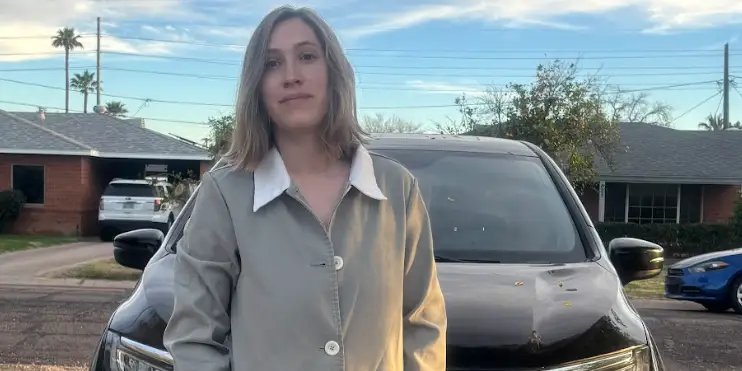
We encountered that sentiment last spring when our podcast hosted a conversation over Zoom between grass-roots MAHA organizers and public health veterans, including Dr. Megan Ranney, the dean of the Yale School of Public Health. One of the participants was Elizabeth Frost, who grew up in Appalachia and watched her family and friends be ravaged by the opioid epidemic. Her resulting mistrust of the pharmaceutical industry motivated her to volunteer for Mr. Kennedy’s presidential campaign. She now leads a grass-roots network called MAHA Ohio.
Ms. Frost called us after that podcast episode to ask if Dr. Ranney might be interested in helping the people of East Palestine living in fear of toxic exposures. Dr. Ranney helped put her in touch with a colleague, the environmental scientist Dr. Nicole Deziel, who got on a plane to Ohio.
“I did have a little trepidation,” Dr. Deziel told us about working with MAHA Ohio. “Would MAHA really be interested in having me come along?”
For her part, Ms. Frost welcomed the collaboration. The rapport she had developed with Dr. Ranney helped assuage any doubts. “If it didn’t work, we would all still learn something that could be used to benefit the community,” Ms. Frost said. “But if it did work, if we were able to create something better together than we could create separately, we could do something really special for the community.”
One sweltering day last July, the unlikely duo crisscrossed East Palestine to talk with residents, Ms. Frost wearing a T-shirt emblazoned with “Make America Healthy Again” and Dr. Deziel with her Yale ID. They met a middle-aged man with a scar across his chest from open-heart surgery (he attributed his heart problems to complications from toxic exposure). He told them that on hot days, people’s eyes and noses still burned as chemicals from the spill evaporated into the air they breathe.
Dr. Deziel and colleagues at Yale worked with the local environmental group Ohio Valley Allies to win a National Institutes of Health grant aimed at examining how contaminated water affects the community. Ms. Frost wrote a letter of support for their application, and is planning to gather residents’ questions to inform the research and help communicate the findings.
This is far from a panacea. The grant money awarded to Dr. Deziel and team was less than they hoped for, and it remains murky whether the community will accept the results. At a recent town gathering, the mention that a blood sample of a small group of residents came back normal was met not with joy, but silence.
Still, Dr. Deziel thinks her collaboration with Ms. Frost is a model. Talking with the residents “completely changed how I was looking at my proposal,” she said.
“If MAHA and other stakeholders can help get people interested,” she added, “that’s great. We need all kinds of people working on these issues.”
Those vehemently opposed to engagement with the MAHA movement say it’s led by an anti-vaccine zealot with dangerous viewpoints that should not be given a platform, especially during a major measles outbreak. But dismissing MAHA as the one-man Covid-revenge fantasy of Secretary Kennedy, or a collapsing movement that can be waited out, means ignoring a clear and present signal that a large segment of Americans are questioning the status quo of public health.
While confidence in vaccine effectiveness remains high, Pew finds that only about half of Americans are highly confident that vaccines have undergone sufficient safety testing. Millions of other Americans trust that vaccines are safe, but are drawn to MAHA’s message on nutrition or pesticides. That might explain why nearly four in 10 American parents now identify as supporters of the movement.
Americans are contentious, mistrustful and living in a fractured information ecosystem. But in order for public health to work, it must work with the public that is, not what it wishes it were. Dr. Deziel encounters some critics of the collaboration, but when she talks to fellow researchers, “the overwhelming majority of the feedback I get is positive and supportive,” she said.
“We can do the best studies and find and identify all these environmental problems, but if it doesn’t lead to any change, you know, it doesn’t matter,” Dr. Deziel said.
Brinda Adhikari and Tom W. Johnson are journalists and the hosts of “Why Should I Trust You?”
The Times is committed to publishing a diversity of letters to the editor. We’d like to hear what you think about this or any of our articles. Here are some tips. And here’s our email: [email protected].
Follow the New York Times Opinion section on Facebook, Instagram, TikTok, Bluesky, WhatsApp and Threads.
The post What a MAHA Activist and a Yale Scientist Can Agree On appeared first on New York Times.