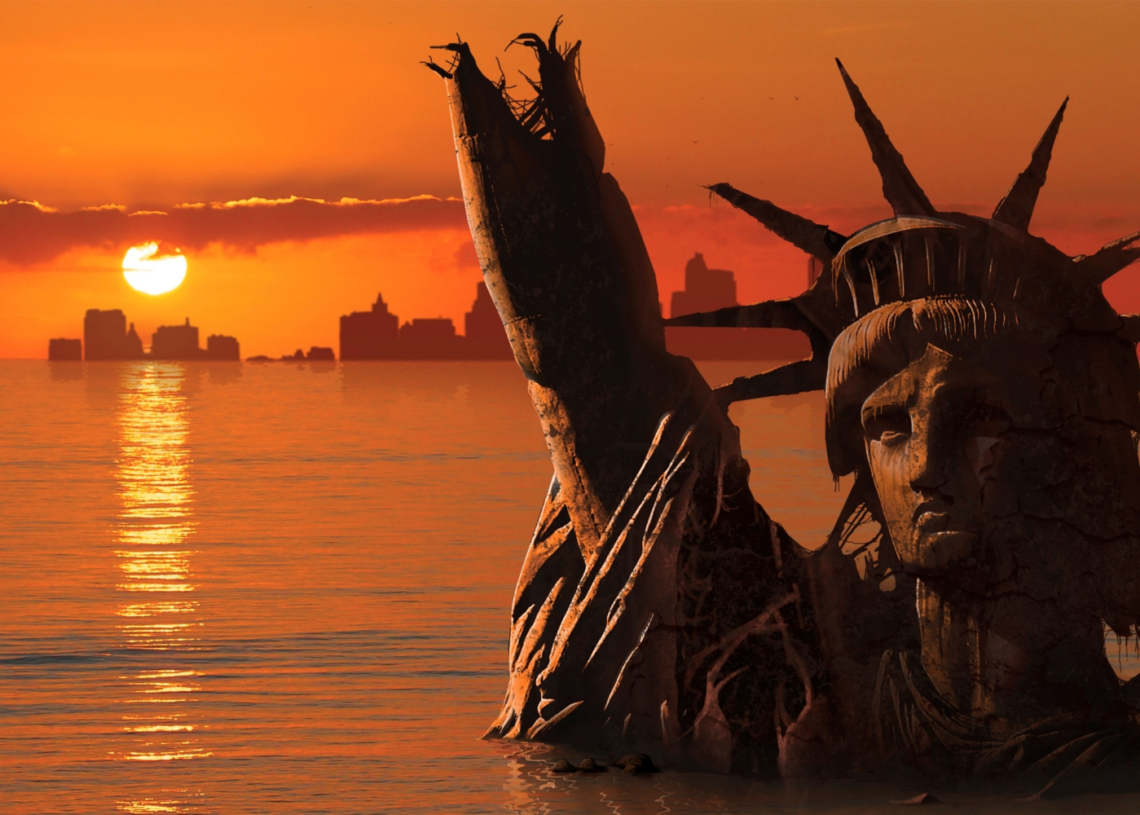
When you hear the words “doomsday preppers,” what comes to mind? A weird bunker stuffed with canned beans, water jugs, and enough ammo to survive the fall of civilization? Sure. But that image is starting to feel a little dated. Apocalyptic thinking is no longer sitting off to the side with fringe subcultures and conspiracy forums. According to new research, it might be way more common and way more mainstream than people think.
A recent study by researchers at the University of British Columbia and the University of California, Irvine found that about one in three Americans in the sample believed the world would end within their own lifetimes. The study also points to broader polling indicating that end-times belief in the United States ranges from 29 percent to 39 percent. That is a sizable chunk of the country, not a tiny camp of people stockpiling batteries in the woods.
What makes the research interesting is that it doesn’t really put the “doomsday belief” into one neat box. The researchers built a scale that examined several dimensions, including how soon people think the end is coming, what or who they believe will cause it, how much control they think humans have, and whether they see the end as terrifying or, strangely enough, welcome. That means a climate activist, an evangelical Christian waiting for the Rapture, and a tech guy convinced AI is about to flatten humanity can all land in the same category while meaning very different things.
Why Are Americans So Into the Apocalypse?
Those differences ended up mattering quite a bit. People who believed humans would cause the end, through climate change, nuclear war, or runaway technology, were more likely to see current threats as urgent. People who believed God or other supernatural forces controlled the end were less likely to support extreme action to address those threats. The study found these beliefs were strong predictors of how people responded to major risks, even when politics and other variables were taken into account.
As lead author Matthew Billet said in UBC’s write-up, “Belief in the end of the world is surprisingly common across North America, and it’s significantly influencing how people interpret and respond to the most pressing threats facing humanity,” he said.
That may be what makes this feel uncomfortably relatable. There are a lot of people carrying some version of end-of-the-world thinking now, even if they’d never call it that. It shows up in religion, climate fear, AI anxiety, and the general feeling that the future has become harder to trust.
The post Americans Are Strangely Into the Apocalypse appeared first on VICE.