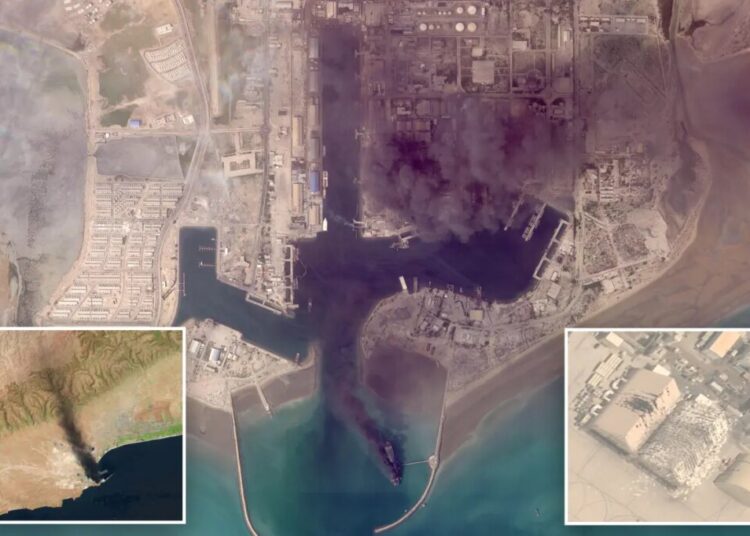
Oil prices rose and stocks were mixed on Tuesday as shipping routes crucial to global commerce remained disrupted in the Middle East.
Oil resumes its rise.
-
The price of Brent crude, the global benchmark for oil, was about $103 a barrel on Tuesday, up about 3 percent. On Monday, it settled at just over $100 a barrel after falling about 3 percent.
-
West Texas Intermediate crude, the U.S. benchmark, was around $97 a barrel, rising over 3 percent. W.TI. settled at $93.50 a barrel, after a 5.3 percent drop, on Monday.
-
Investors and analysts across the world are focused on the Strait of Hormuz, the narrow waterway between Iran and Oman that is a vital trading route for oil and natural gas, which normally carries as much as one-fifth of the world’s oil supply. Shipping traffic exiting the Persian Gulf through the strait has been effectively halted and tankers are stranded because of the risk that vessels could be attacked.
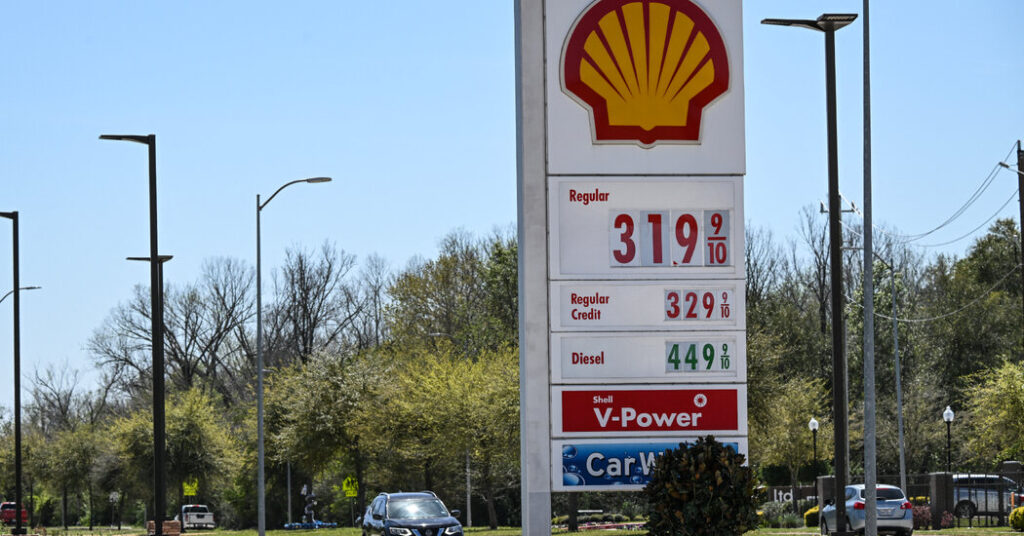
Gasoline prices surged.
-
Gasoline prices in the United States rose on Tuesday, jumping to a national average of nearly $3.79 a gallon, according to the AAA motor club. The one-day increase was 7 cents, putting the cost for drivers higher by 27 percent since the war began.
-
Gas prices don’t move in lock step with crude, usually trailing increases or drops by a few days.
-
Diesel prices have increased even more quickly and stood at $5.04 on Tuesday, up 34 percent since the start of the war.
Stocks are mixed.
-
Futures on the S&P 500 pointed to a decline of about 0.4 percent when stocks resume trading in the United States on Tuesday. On Monday, the index rose 1 percent, recouping some of its losses from last week when it dropped about 1.6 percent.
-
Stocks in Asia, where countries import vast quantities of oil and gas, were mostly higher on Tuesday. Stocks in South Korea rose 1.6 percent and Japan’s Nikkei 225 ended slightly lower.
The post After Pulling Back, Oil Prices Resume Their Rise appeared first on New York Times.