After two weeks of deadly and destructive bombardment by the United States and Israel, some Iranians who had initially been hopeful when the country’s supreme leader was killed are growing weary of the fighting.
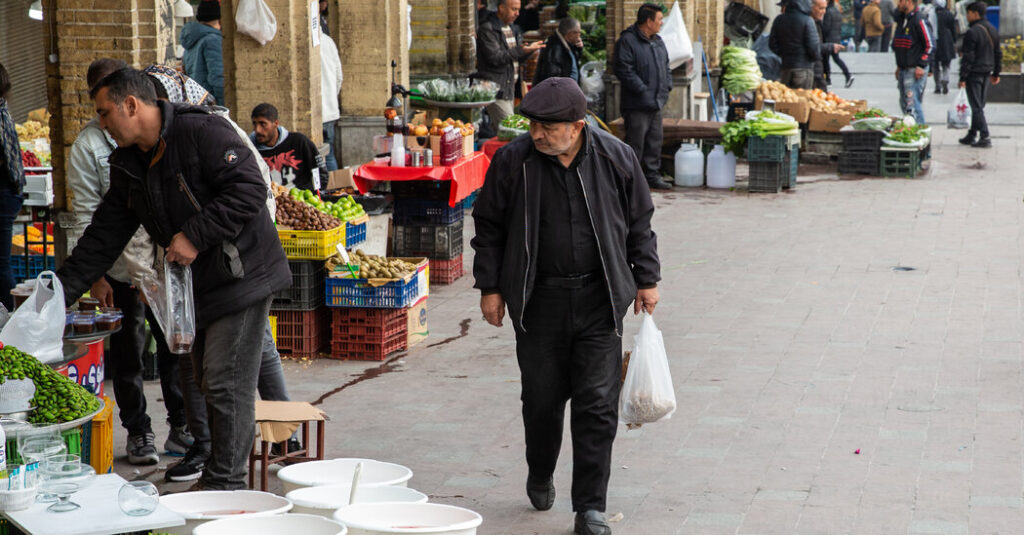
One businessman in his 40s who lives in Tehran, the Iranian capital, said on Friday that the sound of explosions often wakes him around 5 or 5:30 in the morning. The man, who spoke in voice notes on the condition of anonymity for fear of reprisal, said that while supermarkets, bakeries and some shops were open, the streets of the capital were empty and quiet.
At night, the city is completely taken over by security forces, he said, and no one dares to protest. The few demonstrations that were held this week in Tehran were in support of the Iranian government, mourning Ayatollah Ali Khamenei — the former supreme leader — and military commanders killed by American and Israeli strikes.
The businessman added that some Iranians feel that the war in fact facilitated the transition to a new supreme leader, which the regime might have otherwise struggled to do.
Since the start of the war, President Trump has offered little clarity on how a new government could take shape in Iran.
Tehran has endured relentless attacks, including some that hit street checkpoints staffed by the Basij militia, among dozens of other sites. At least 19 historical buildings and cultural sites in the city have been seriously damaged in U.S. and Israeli strikes, Iranian media reported on Saturday, citing the country’s cultural heritage ministry.
More than 1,348 civilians have been killed in Iran, the country’s representative to the United Nations, Amir Saeed Iravani, said this week. Up to 3.2 million people are also displaced inside the country, according to preliminary assessments by the U.N. refugee agency.
Meisam, 41, a resident and poet who asked that his last name not be used for fear of reprisal, said on Saturday that in some areas, the city appeared normal, but a heavy, lifeless atmosphere hung over the streets.
Those who remain mostly stay home, while others have fled to the Caspian Sea after days and days of feeling frustrated, restless and trapped. Some businesses remain open, but many are closed or struggling, he said.
Despite the hardships, some people cling to hope for the government to fall and a new one to take its place, even though the bombardment, as well as longstanding rampant inflation and widespread economic distress, has left people on edge.
“No one knows what will happen,” he said. “And we are all somewhere on the edge between depression and hope.”
Ashley Ahn contributed reporting.
The post Tehran Seems Largely Empty, as Many Flee and Others Weary of the Fighting appeared first on New York Times.