
Walk into almost any dinner party or gathering and mention Ozempic or other GLP-1s. The reaction is nearly always the same: People lower their voices. They hesitate. They start qualifying what they mean before they’ve even said it. What should be a straightforward conversation about a medication quickly turns into a moral debate about whether using it is acceptable at all.
I see the same dynamic in my practice. A patient will say they want more energy, a break from years of failed dieting or simply to feel better in their own body.
Then comes the disclaimer: “I don’t want to seem vain.” “I know it’s controversial.” “I’m not caving to pressure.”

It raises a strange question: when did wanting to improve your health become something people feel obligated to apologize for?
Ozempic isn’t the real controversy, but rather, the culture we built around self-acceptance and therapeutic language. Ordinary desires have quietly turned into potential moral offenses. People now speak as if every personal improvement requires justification, as though wanting something better demands permission.
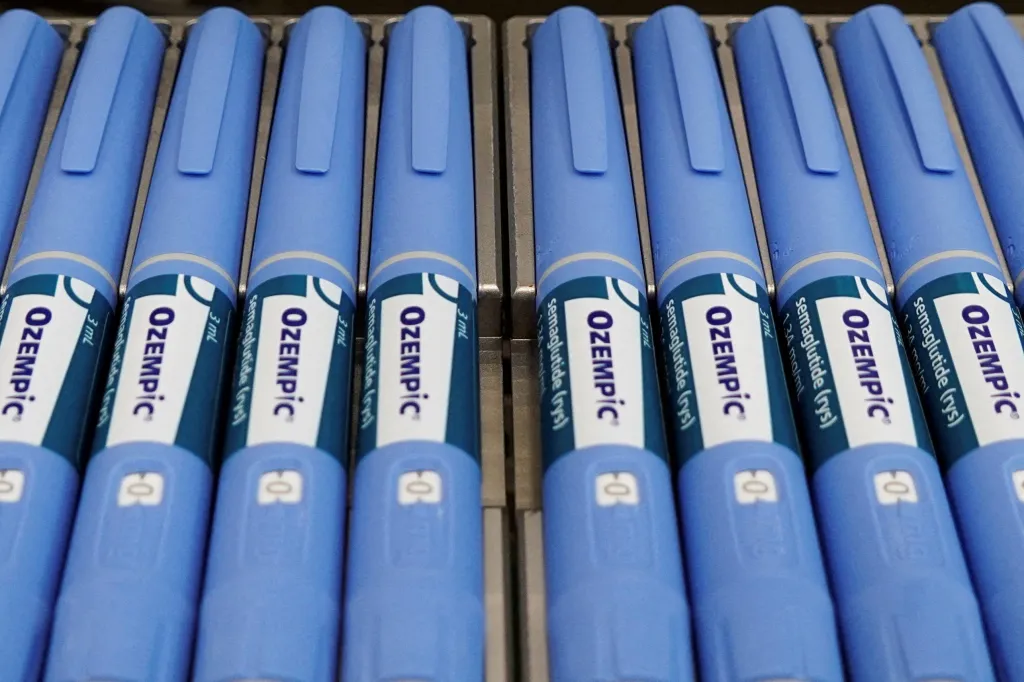

Patients often describe this split openly. In private, they say they want to feel more fit, lighter or more confident. In public, they switch to careful scripts about “body neutrality,” “rejecting harmful narratives,” or “not internalizing standards.” Instead of listening to their own health needs, they find themselves navigating a cultural maze.
Some patients keep their Ozempic use, or even their curiosity about it, entirely secret. These aren’t people misusing medication. They’re overweight, they’ve made real lifestyle changes and they still struggle to make progress. Yet they worry about judgment. Many ask me how to explain their decision without sounding shallow or irresponsible. Others fear being accused of taking shortcuts or failing to “do the work.”
We’ve reached a moment where people apologize for wanting to be healthier.
Personal decisions have become ideological statements. Use Ozempic and you’re accused of cheating. Avoid it and you’re told you’re denying reality.
Either way, someone insists your choice reveals something deeper about your values or character. We’ve become more interested in interpreting motives than improving outcomes. People fear appearing superficial more than they fear staying unhealthy.

Therapy culture plays a role in this shift. We talk so much about acceptance and emotional safety that we sometimes forget growth and improvement are healthy, too.
Self-awareness has drifted into hyper-self-awareness. Some patients even wonder aloud whether feeling better might make them seem privileged or performative. When basic self-care becomes something people must analyze for social consequences, it stops functioning as self-care.
Even modest health goals now feel controversial. People filter their desires through ideology so thoroughly that they struggle to recognize simple motivation when they feel it.

Ozempic merely exposed the tension. One medication became a referendum on beauty, privilege, status and identity. A drug designed to help people feel physically better turned into a cultural litmus test carrying meanings far beyond medicine itself. In all the noise, the individual, the person who simply wants to feel better, gets lost.
What I remind patients every week is simple: you’re allowed to want improvement. You’re allowed to want better health. You’re allowed to want your life to feel better. That isn’t vanity, and it isn’t weakness. It’s human.
Americans shouldn’t need permission to pursue better health. Ozempic didn’t reveal an unhealthy obsession with weight. It revealed how uncomfortable we’ve become with change itself, and that discomfort holds people back far more than any medication ever could.
Jonathan Alpert is a psychotherapist in New York City and Washington, DC, and author of the forthcoming book “Therapy Nation.”
X: @JonathanAlpert
The post Taking Ozempic isn’t something to be ashamed of—so why are people embarassed by it? appeared first on New York Post.