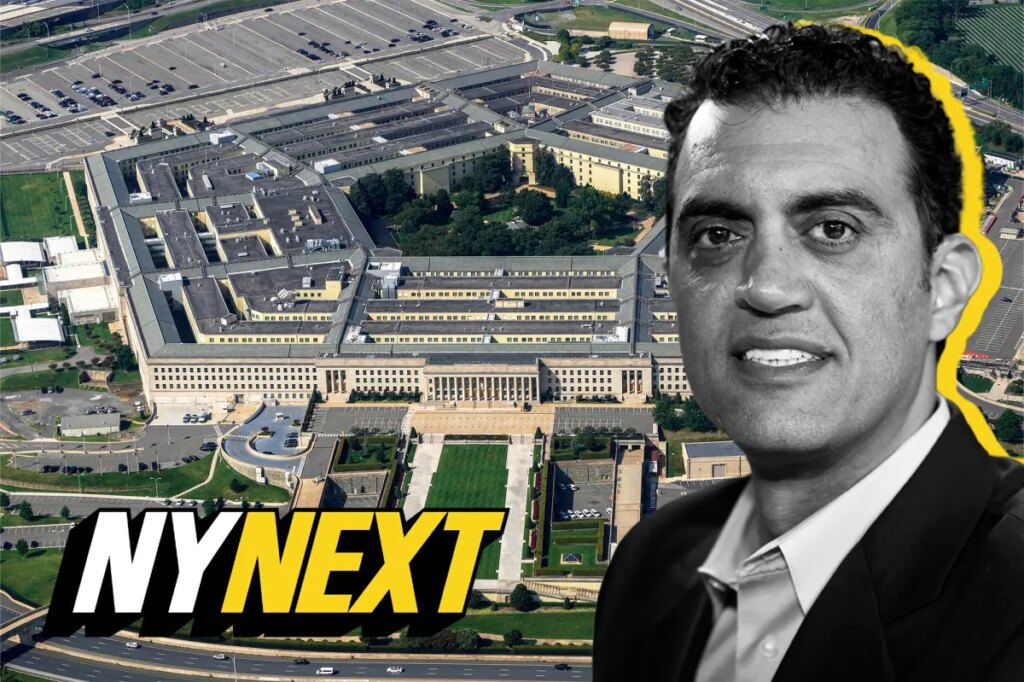
Pentagon AI chief Emil Michael isn’t sweating Microsoft’s legal support for Anthropic. In fact, he told me the whole situation is “totally bananas.”
Michael dismissed Microsoft’s amicus brief, which the company filed earlier this week in support of Anthropic and against the Department of War, as little more than a move to appease employees.
“It’s sort of par for the course to prove to your employees that you have certain camaraderie [with other left-wing tech companies]”, said Michael, who serves as Under Secretary of Defense for Research & Engineering and oversees AI contracts, on a phone call earlier this week. “If you read their actual briefs, it says everything the Department of War wants to do is legal.”
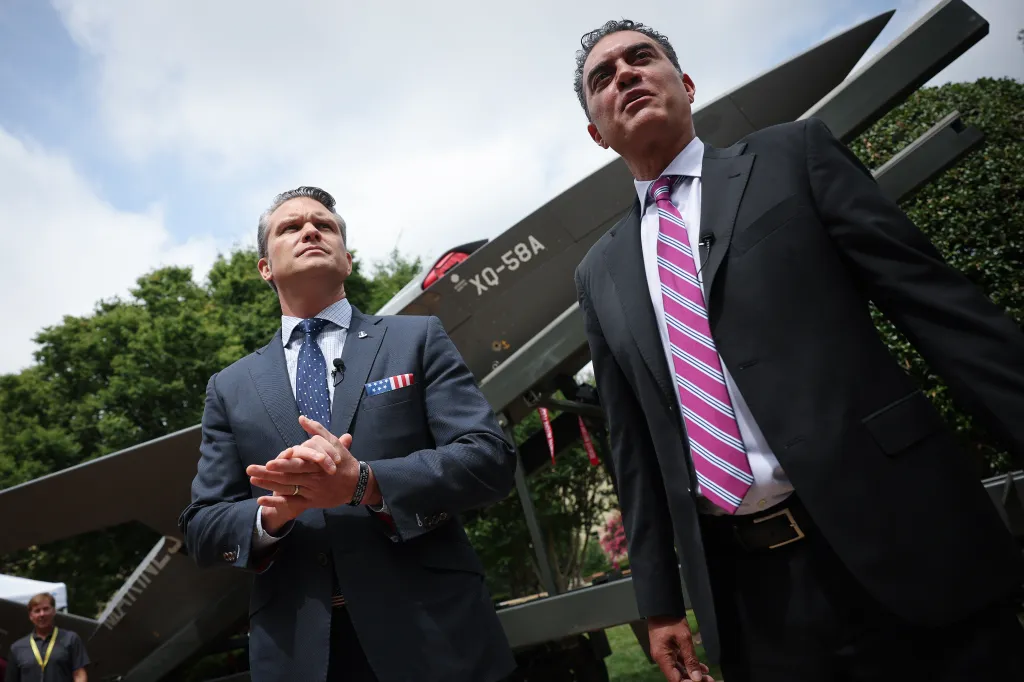
While the amicus brief claims Microsoft and Anthropic want to protect warfighters, Michael isn’t buying it.
It’s the government, he told me, that’s working to keep service members safe.
“[Our move designating Anthropic a supply chain risk] is to protect warfighters — because Anthropic was trying to insert themselves into the chain of command,” Michael explained. “Supply chain risk is to remove that risk, not add another risk.”
Michael said this is the latest wrinkle in a saga made more bizarre by the fact that Anthropic worked closely with the Department of War for years before the government terminated its contract in February.
Following the January 2026 US raid that captured and extradited Nicolás Maduro from Venezuela, an Anthropic executive asked a counterpart at Palantir — via which Anthropic’s Claude AI was integrated — whether and how its artificial intelligence was used.
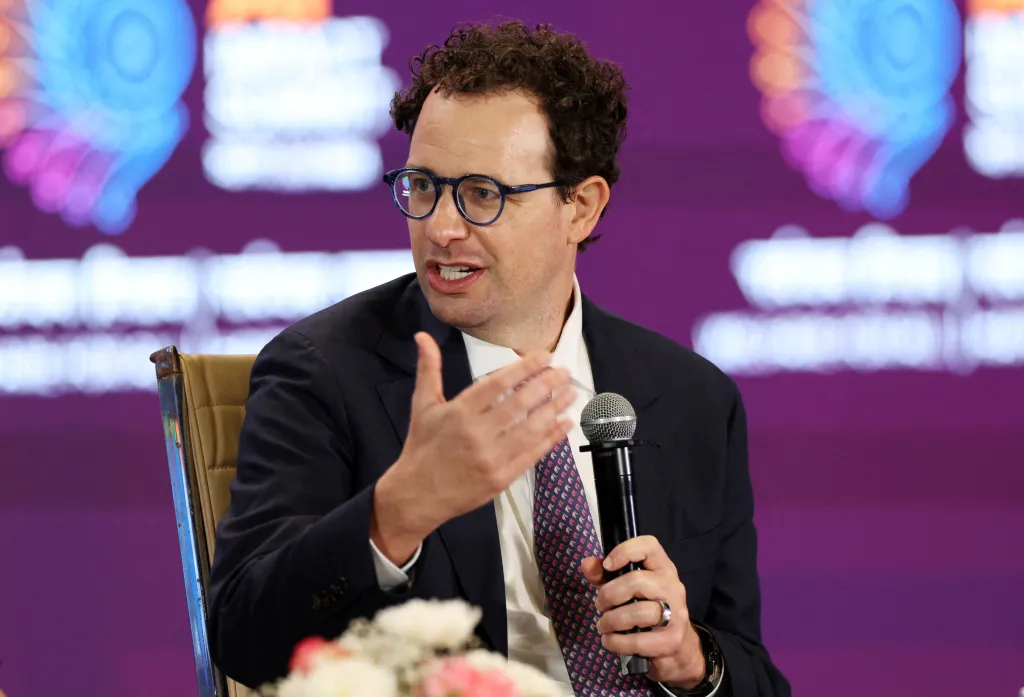
Anthropic had supplied a specialized version of Claude to some of the military’s most sensitive commands — including Central Command and Indo-Pacific Command — under a deal worth roughly $200 million.
Palantir told Pentagon officials about Anthropic’s inquiry, and the Feds interpreted it as potential post-facto disapproval. The move raised alarms over dependency risks on an AI provider that might second-guess classified operations, triggering a contract review and failed talks.
Anthropic insisted on safeguards barring mass domestic surveillance of US citizens — which the US denies doing — and fully autonomous lethal weapons without human oversight. In response, the Pentagon labeled Anthropic a “supply chain risk”on March 4 and replaced Anthropic’s technology with OpenAI.
Anthropic sued on March 9, challenging it as unlawful and retaliatory.
The Pentagon’s concern is that its contractors could try and dictate their operations. “I don’t want and can’t have a model that has a policy bias that could be poisoned because it doesn’t want to do certain military activities — or an insider threat who disagrees with the democratically elected leadership of this country,” Michael said.
It’s a stance Michael finds hard to square with Anthropic’s own claims about its technology.
“They’re saying this technology is so powerful — more powerful than a nuclear weapon, more powerful than some governments — [and] they don’t want to use that power to help our country or our war department,” Michael told me in disbelief.
“This would never happen in China … And yet they don’t want to serve the most important part of the government in time of conflict. That seems very off.”

This story is part of NYNext, an indispensable insider insight into the innovations, moonshots and political chess moves that matter most to NYC’s power players (and those who aspire to be).
He said what makes it stranger is that this comes after years of working with the Pentagon.
“What’s very surprising is for a company that didn’t want to do Department of War stuff, why are they selling and deploying their software to the Department of War for three years?” he said.
The episode was a reminder that despite companies like Palantir or Anduril enthusiastically supporting America and taking contracts supporting Customs and Border Patrol and ICE, a slice of Silicon Valley still resists supporting the military.
“When I took this job, I thought those 2018 days where Google’s employees revolted were behind us,” he said, referencing the employee uprising that forced Google to abandon Project Maven, a Pentagon contract to use AI for drone imagery analysis. The incident has become a defining symbol of Silicon Valley’s resistance to military work.
But these days, he believes Anthropic is the exception, not the norm. “I don’t think Elon’s woke with AI and Grok,” he said. And even a company like Google? They “learned the lesson of 2018.”
As the Pentagon irons out massive contracts with longtime partners, it’s also investing in new providers to make sure the US is always ahead.
In the coming weeks, Michael said, the department will announce a wave of new partnerships with smaller, non-traditional defense companies — startups unburdened by the ideological baggage that derailed Anthropic. For Michael, it’s the right ending to a strange saga: the future of American military AI, built by companies that actually want the work.
He said, “[They’re] building stuff for the next generation of warfare.”
The post Pentagon AI chief Emil Michael says it’s ‘totally bananas’ that Anthropic won’t support America — and slams Microsoft for appeasing progressive employees appeared first on New York Post.